


|
Prep Time |
Cook Time |
Total Time |
|
10 minutes |
32 hours |
32 hours and 10 minutes |
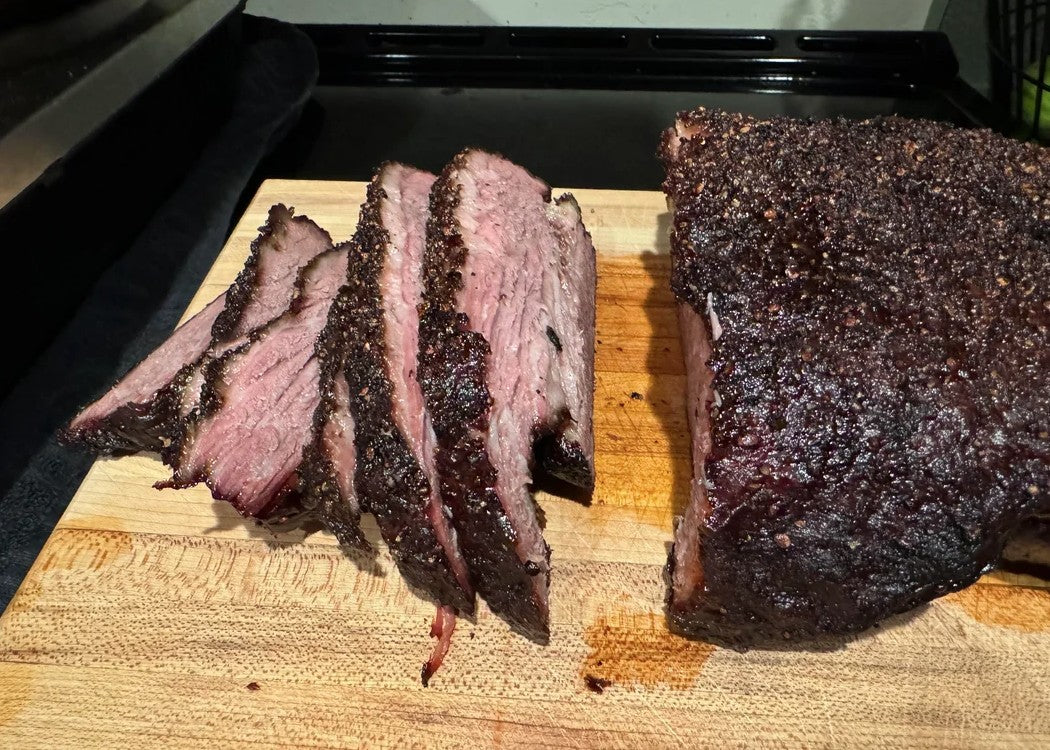
Beef brisket is undeniably delicious - richly smoky and melt-in-the-mouth-tender - yet it is also notoriously difficult to make, requiring hours or overnight spent hovering over your smoker to achieve that tender, moist texture. Fortunately, with sous vide, the entire process becomes effortless. Just submerge the brisket in a water bath, and it will cook to perfection every time without any guesswork. So, if you haven’t tried sous vide brisket yet, or if you’re new to sous vide at all, this is the opportunity to get started. This recipe also comes with a useful temp and time guide to help you along the way.
Ingredients:
- 1 whole brisket
- Coarse kosher salt
- Coarse black pepper
- Garlic powder
- Paprika
Equipment:
- INKBIRD Sous Vide Machine
- Large container
- Vacuum sealer or Ziploc bag
- Wireless BBQ thermometer
Why Cook Brisket Sous Vide?
I know that when I bring up “sous vide brisket,” many traditional barbecue purists are likely to scoff, insisting it’s not the real deal. I totally get it. But let’s be honest about the effort it takes to smoke a brisket, which could be enough to deter many people.
With sous vide, however, you simply submerge the meat in a water bath and let it cook on its own. Furthermore, this method guarantees the brisket not only turns out incredibly tender and juicy, but also cooked to a perfect, uniform doneness. So, why not step away from tradition and give this easy, time-saving method a try?
More Sous Vide Recipes:

Which Cut of Brisket is Best for Sous Vide?
A whole brisket consists of two distinct parts: the flat and the point. The flat is leaner and has less fat, giving it a firmer, chewier texture. The point, conversely, is fattier and richer in marbling, resulting in juicier bites.
If this is your first time cooking brisket, the point cut is a better option since it’s more forgiving, even if slightly overcooked, the meat is far less likely to dry out. For those who are already well-acquainted with brisket, just pick the one that best suits your taste preferences.
Sous Vide Brisket Temp & Time
When it comes to sous vide cooking, temperature and time are the only tricks you really need to master. They determine whether your brisket turns out like a steak or like shredded beef. Personally, I still prefer the texture of traditional smoked brisket - specifically, cooking it at 155°F (68°C) for 30 hours. Otherwise, why go to all the trouble of cooking brisket in the first place?
|
Texture |
Temperature |
Time |
Best For |
|
Steak-like, firm, sliceable |
135°F (57°C) |
36-72 hours |
Deep beef flavor with some chew |
|
Traditional BBQ, tender yet sliceable |
155°F (68°C) |
24-36 hours |
Juicy, holds together slicing with a slight dullness |
|
Fall-apart, shreddable |
165°F (74°C) |
18-24 hours |
Tacos, sandwiches, nachos |

How to Make Sous Vide Brisket?
I’ll walk through this the way I do it.
Step 1: Trim and season
If the brisket has a thick, hard fat cap, trim it down to about 1/4 inch. I don’t obsess over removing every bit of silver skin, but I do take off any hard, waxy fat. Then, rub the brisket evenly with salt, pepper, garlic powder and paprika.

Step 2: Vacuum seal the brisket
Place the seasoned brisket into a vacuum seal bag that is large enough for the meat to lie flat without stretching, and use a vacuum sealer to seal it tightly. If using a zip-top bags, use the water displacement method to remove as much air as possible.
Step 3: Cook brisket sous vide
Set your sous vide circulator to 155°F (68°C), then place the brisket into the water bath. Close the lid and cook for 30 hours to achieve the most classic texture of smoked brisket. If you prefer others, check the temp and time chart above. Once done, allow your brisket to cool down to room temperature, or use an ice bath to speed up this process. At this stage, you can store it in the refrigerator for a few days.

Step 4: Finish the brisket
I almost always finish the brisket on the smoker because it imparts a flavorful crust and a smoky essence to the meat.
Remove the brisket from the bag and pat it dry with paper towers. You can save the juices left in the bag to make into a sauce later. Then, sprinkle a bit more seasoning over the surface of the meat. If you are using a smoker as I do, set the temperature between 250°F and 275°F and smoke for 3 hours. I use post oak or hickory wood, but any hardwood works.

That’s absolutely fine if you don’t have a smoker or simply prefer to finish the cooking indoors. You can still infuse the smoky flavor by adding a few drops of liquid smoke to the bag before sous vide. For oven roasting, place the rack on the lower-middle and preheat the oven to 300°F (150°C), then roast for 2 hours to achieve that deep, beautiful crust and smoky character.
Regardless of your finish method, I highly recommend using a wireless meat thermometer to monitor the internal temperature. Remove the meat immediately once it reads 165°F (74°C) to ensure the best possible flavor and texture.

FAQ
What rub should I use?
I keep it simple: I part coarse salt, 1 part coarse black pepper, 1/2 part garlic powder, and a pinch of paprika.
Can I sous vide frozen brisket?
Yes, you can. You’ll need to extend the cooking time by 2 hours to account for the thaw.
What’s the best way to serve sous vide brisket?
It depends on the crowd. For a backyard barbecue, I slice the flat against the grain and serve it with pickles, onions, and sauce on the side. The point, if it’s fatty enough, I cube up and toss in sauce for “burnt ends” - they’re usually the first thing to disappear. For weeknight meals, I shred leftovers and use them in tacos, quesadillas, or over rice bowls.



Share: