


Winter often means dry air, as cold air carries less moisture, especially if you have central heating on. This can lead to scratchy throats, chapped skin, and even static shocks that zap you out of nowhere. And you might also notice sign of dryness in your home, like cracking wood furniture, peeling wallpaper, and drooping plants. In fact, there are many simple and easy ways that can get moisture back to air, even without a humidifier. Want to learn more about how to increase humidity in a room? Check out this guide.
RELATED: How to Reduce Indoor Humidity?
What is the Ideal Humidity Level for a Room?
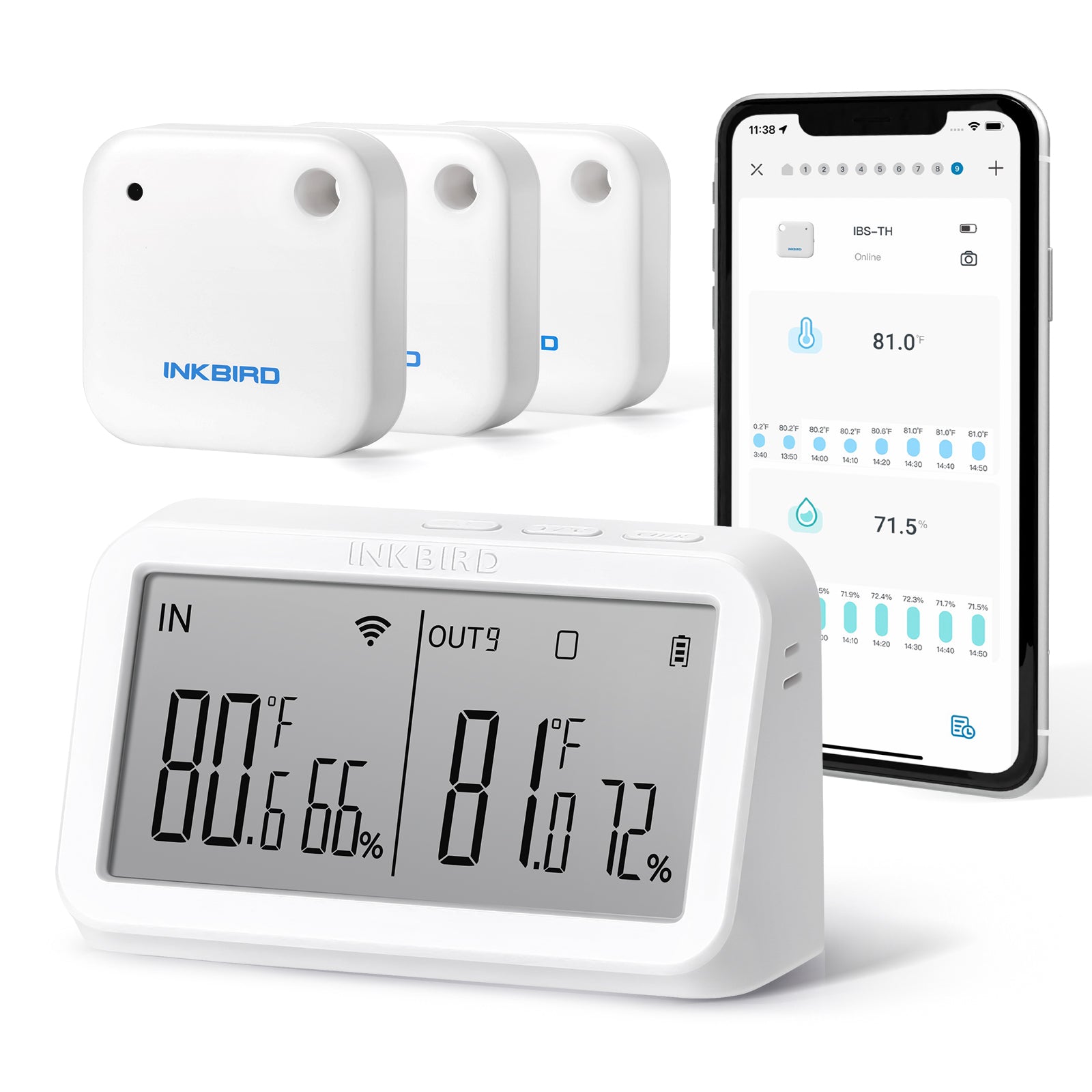
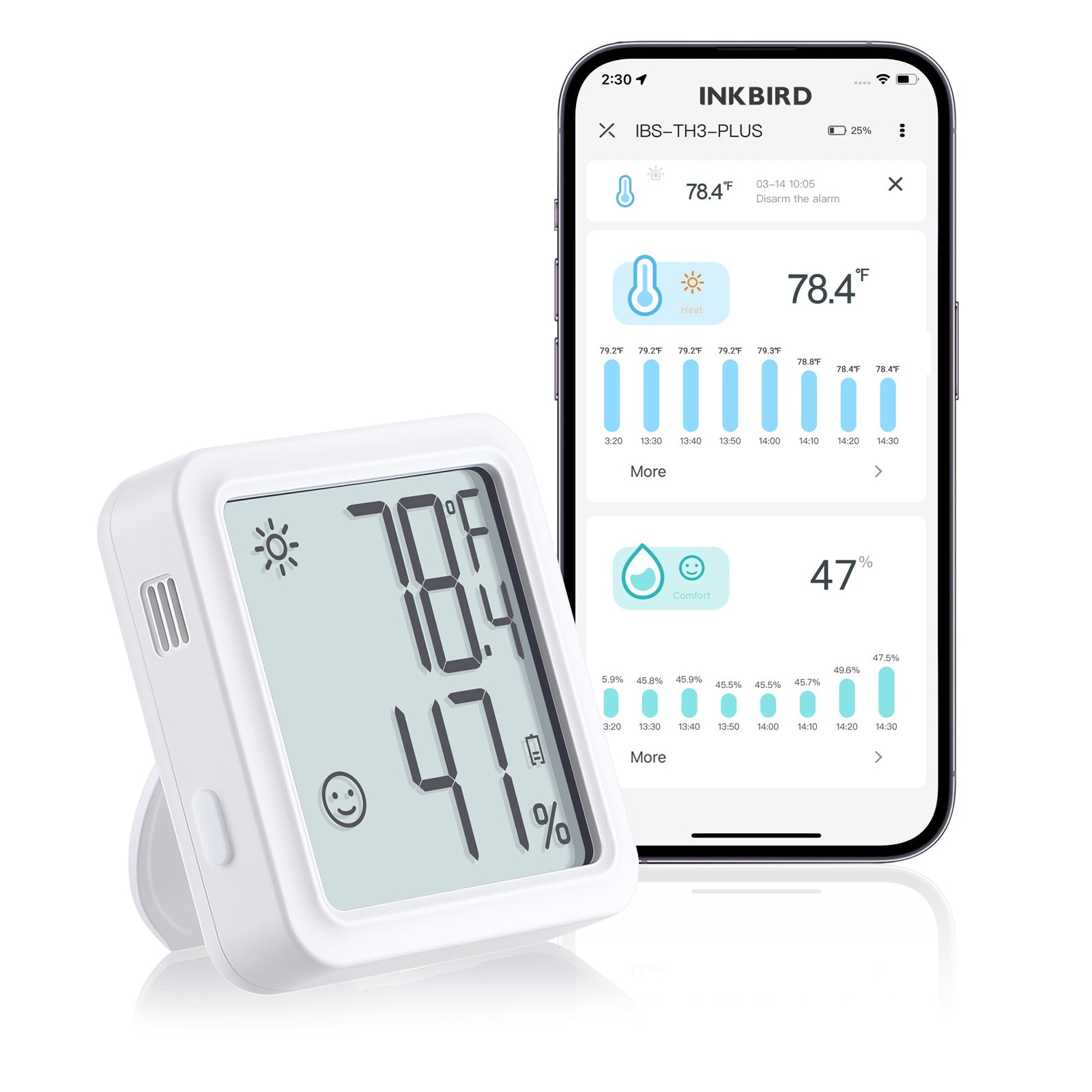
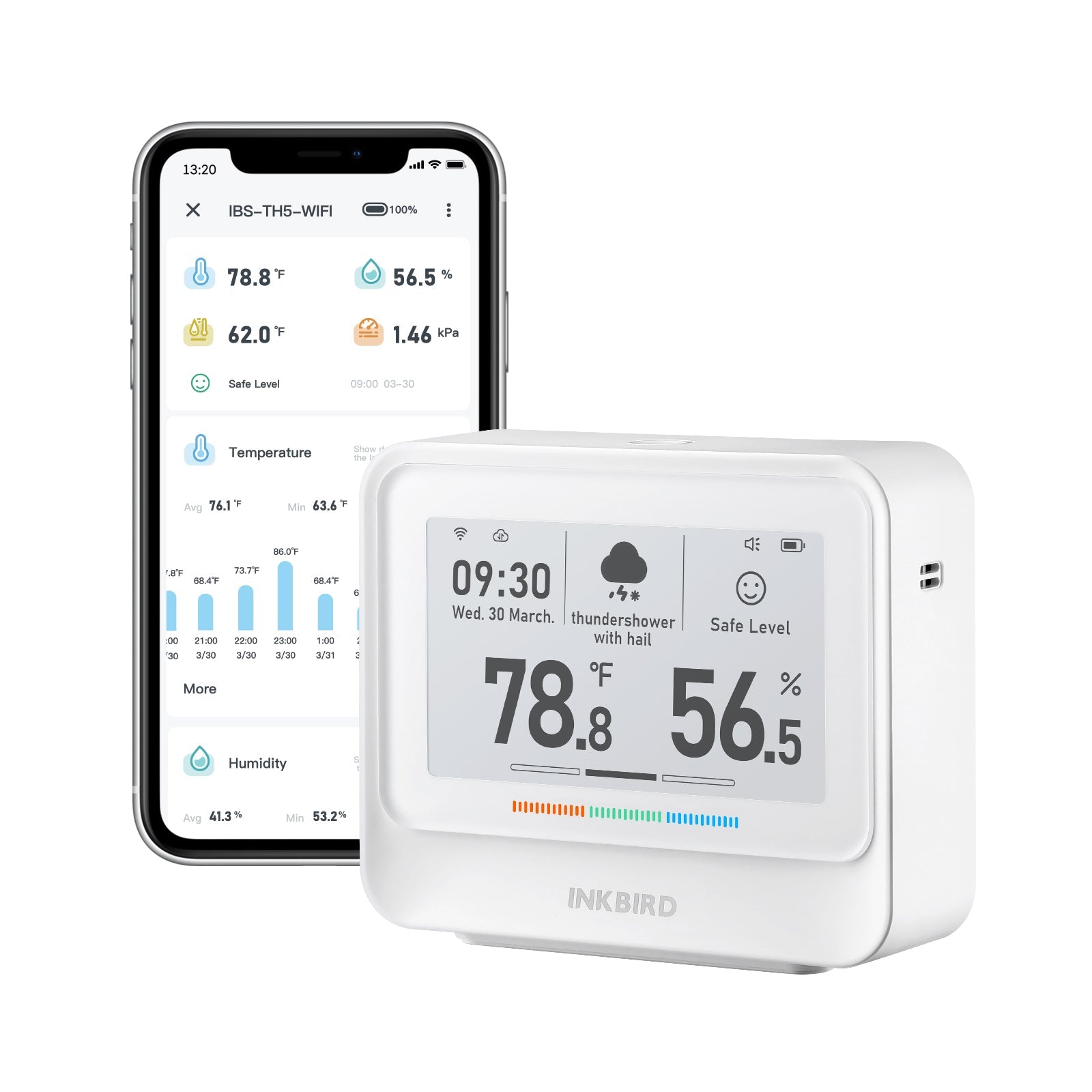
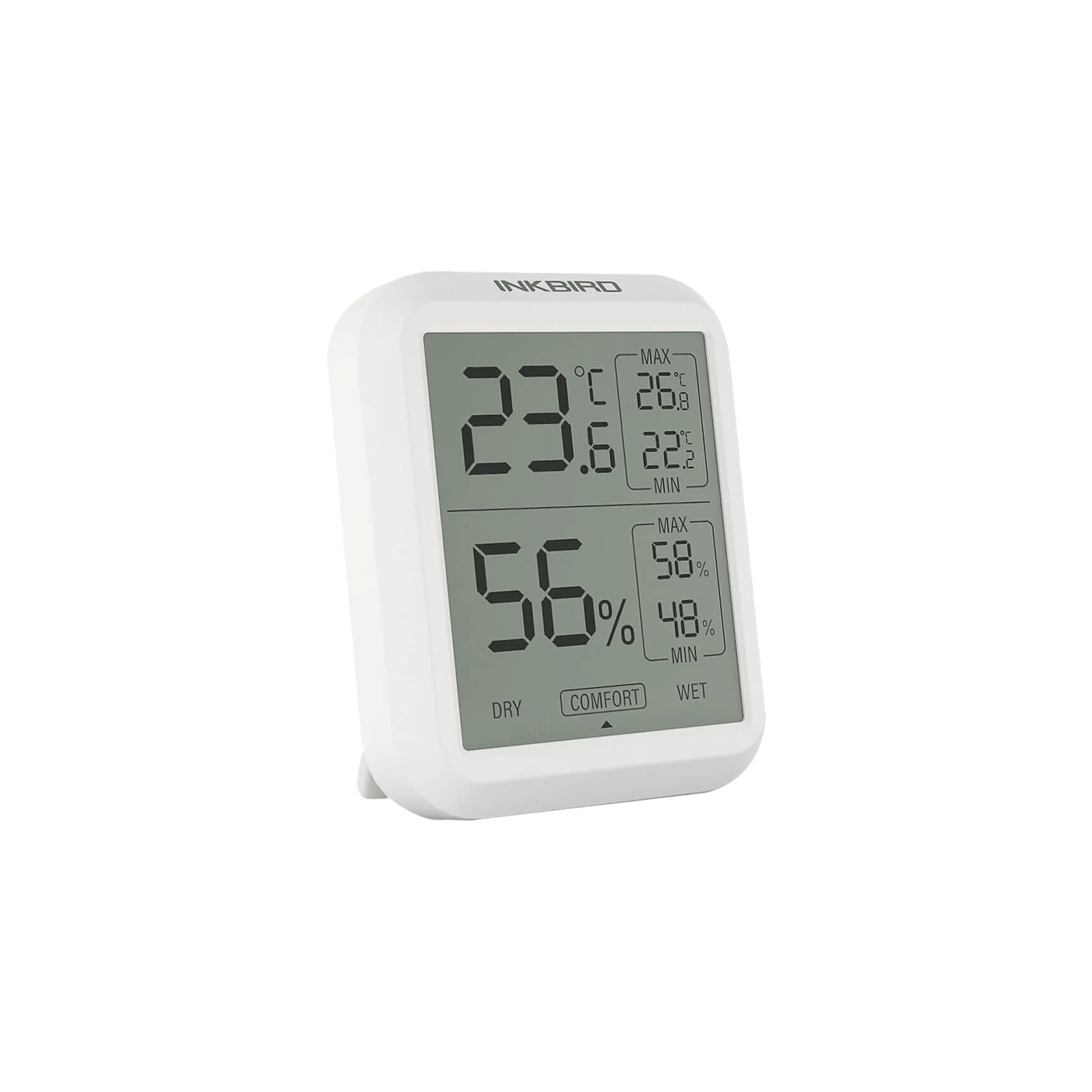
First, you definitely don’t want to turn your living room into a rainforest. Too much moisture invites mold and dust mites. According to the National Institutes of Health (NIH), the ideal indoor humidity level is 40%-60%. If it drops below 30%, you might start feeling uncomfortable. To manage this, investing in a digital hygrometer is a prerequisite for any action. Only then can you take the necessary measures to increase humidity in your home. Brands like INKBIRD offer reliable and accurate hygrometers to help you keep track.

10 Ways to Increase Humidity Without a Humidifier
Before you buy anything to add moisture, try these simple, often-free methods. Everyday habits and household items can do the trick naturally. They’re perfect for a single room or if you’re just slightly below that comfort zone.
1. Set Out Bowls of Water
This is the simplest low-effort start. Fill wide, shallow bowls like pasta bowls or ceramic platters with water and set them near radiators, vents, high shelves, or sunny windows. The heat coaxes the water into the air bit by bit. You can also drop a lemon slice or a few lavender buds in mine. Just remember to swap the water every few days to prevent stagnation and keep it fresh.

2. Hang Wet Laundry Inside
Instead of tossing everything in the dryer, letting your clothes dry on an indoor rack could also increase humidity in a room. Similarly, set the rack near a heating vent, and the moisture will evaporate into the air. Your damp jeans and shirts are basically full-time humidifiers on duty. Plus, your clothes will dry softer, and you’ll cut your energy bill.

3. Leave the Bathroom Door Open
After a hot shower, don’t rush to close the door or turn on the exhaust fan. Let the steam dissipate into the hallway and bedroom. If you prefer baths, resist the urge to drain the tub immediately. Instead, let it cool down naturally to release more steam. This is a passive way to humidify without any extra work

4. Bring in Houseplants
Plants aren't just for looks - they're practically breathing moisture - a process called transpiration. When you group them together, they create their own little humid oasis. Choose foliage plants that require more water, such as ferns or large peace lilies, as they typically have higher transpiration rates. Simply keep them moist, and they'll quietly reward you. Plus, plants can help improve indoor air quality - it's literally a two-birds-one-stone kind of win.

5. Boil Water and Cook on the Stovetop
Simmer a pot of water without a lid on the stovetop, and the rising steam will quickly increase the humidity in the surrounding environment. Take it further by cooking meals that require boiling or steaming, like pasta, soups, or vegetables. Just don’t leave it unattended for too long. It’s best to set a timer or check it regularly.

6. Steam Fabrics
When you want to iron clothes, try using a steam iron instead. The hot vapor released during the process seeps into the air, raising humidity levels temporarily. It’s much more cost-effective than a humidifier and heats up to release moisture in just seconds. If ironing isn’t your thing, you can lightly mist your curtains or sofas with water and let them air dry for a similar effect.

7. Open the Dishwasher
It’s another free way to increase indoor humidity. When the final rinse cycle ends and everything inside is piping hot, just crack the door open and let the dishes air-dry inside. The trapped steam and hot air escape, which saves the energy and gives your indoor air a free, substantial boost of moisture right when you need it.

8. Lower Your Heater
It sounds , but blasting the heat is a surefire way to bake all the moisture out of your air. Try nudging the thermostat down a few degrees and throwing on a sweater or using a blanket. Your heating system will run less often, which helps preserve the humidity that’s already there. You’ll likely find the air actually feels warmer and more comfortable at 68 degrees with better humidity than at 72 degrees with dry, parched air.

9. DIY Fan Setup
This is the MacGyver method. Create a makeshift evaporator by soaking a sponge, cloth, or towel in water, wringing it out, and securing it in front of a fan on low speed. The breeze pulls moisture from the water’s surface and pushes it around the room. You can even drape a damp towel over the back of a chair in front of the fan. It’s a clever, budget-friendly way to move humid air around without any fancy equipment.

10. Use Indoor Decorative Water Features
Incorporate small fountains, waterfalls, or even aquariums into your home décor. These features not only recycle water but also help to increase indoor humidity as it evaporates throughout your room. Just be prepared for the upkeep, such as topping off the water and keeping the pump clean.

Using a Humidifier to Increase Indoor Humidity
If all the above natural methods aren’t cutting it, a humidifier offers more control and power. Select a humidifier that the output capacity matches your room size, and place it in an open area to help the mist diffuse evenly. If your tap water is hard, use distilled or deionized water instead to prevent scale buildup. Also, if your humidifier doesn’t have a built-in humidistat, get an external one to maintain the indoor humidity at the ideal 40%-60%.
Additional Tips for Maintaining Humidity
Once you’ve increased humidity, here are a few extra tips to help you hold onto moisture.
- Plug the leaks. Feel for drafts around windows and doors. A quick fix with a cheap roll of weatherstripping or a tube of caulk keeps your homemade humidity from sneaking right back outside.
- Monitor humidity. Grab a thermometer, and use it to track humidity and adjust methods accordingly.
- Avoid over-humidifying. More isn’t always better. If your windows are constantly foggy, you've gone too far. Just keep the humidity level at 40%-60%.
- Combine methods. The real trick is combining a few methods. A humidifier in the bedroom, a bowl of water near the heater, and air-drying laundry in the living room.




Udostępnij: