


Cooking shrimp might seem simple and quick enough for a weeknight meal, but it actually requires careful attention since shrimp cooks in no time at all. When done right, the flesh is plump and firm, but that also means it can easily become tough and rubbery if overcooked. The key lies in the shrimp internal temp, regardless of whether you’re pan-frying, grilling, boiling, or broiling. Forget those color and texture tests for doneness, here is everything you need to know about cooking shrimp, including the ideal internal temperature, how to check it, and the best cooking methods. Let’s get started!
What Temp Should Shrimp Be Cooked to?
If you look up official food safety guidelines, like those from the USDA, they’ll tell you to cook shrimp to 145°F (63°C). And that's technically correct - at that temperature, any nasty bacteria is history. But if you truly wait until your shrimp hits 145°F in the pan, you're gonna have a bad time. By the time they get to your plate, they'll be way overdone.
For the best flavor and texture, it’s best to pull shrimp off the heat at 120°F (49°C). At this point, they’ll be just opaque and still succulent, without a hint of rubberiness. Don’t worry, they’ll also continue to cook a tiny bit once they’re off the heat, so they’re still safe to eat.
However, if you have someone in your home with a weakened immune system or digestive issues, sticking to the 145°F (74°C) guideline is definitely a safer choice. Alternatively, you can use a sous vide immersion circulator - all harmful bacteria will also be pasteurized during the long cooking time.
RELATED: Filet Mignon Internal Temp

How to Check Cooked Shrimp Internal Temp?
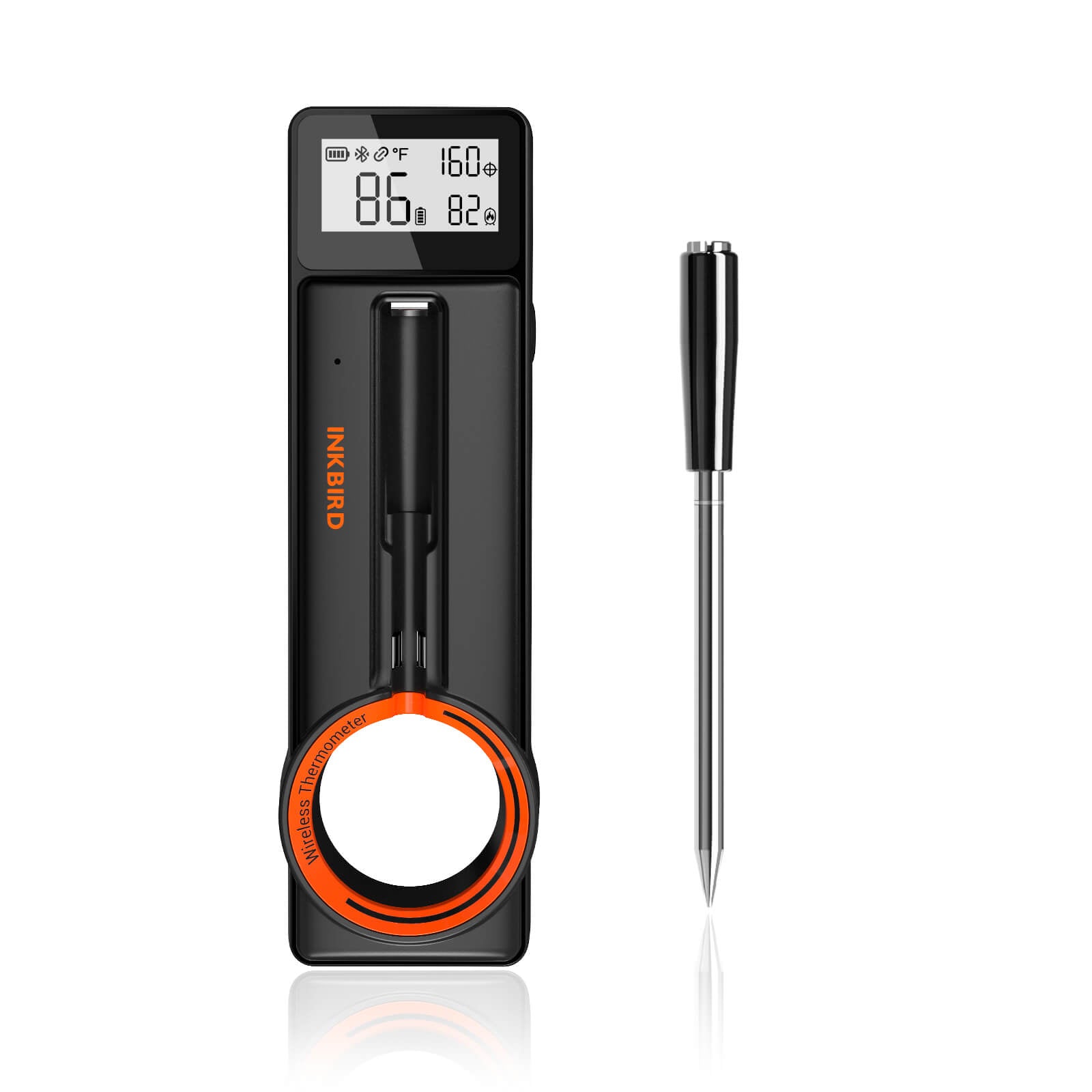
The most foolproof method is to use a kitchen thermometer. Simply insert the probe into the thickest part of the shrimp and wait a second or two to get an accurate shrimp internal temp. Seriously, if you don’t have one, it’s definitely worth the investment, as besides shrimp, it can also be used for checking the doneness of steak, chicken, pork chops, and more. However, if you don’t have one, you can rely on other indicators, but keep in mind they may not be as precise.

Color
Raw shrimp are initially gray and translucent. Once cooked, the shell should be pink, the tail red, and the flesh opaque and white. However, if the flesh turns a bright white, it’s likely overcooked.
Shape
Fresh, raw shrimp are straight, while frozen ones might show a slight curl. When cooked correctly, shrimp will form a “C” shape, but if they curl into a tight “O” shape, they are likely overcooked. However, this visual cue may not work when you’re grilling shrimp on skewers, as they won’t bend in the same way.

How to Cook Shrimp to Ideal Internal Temp?
The more you cook shrimp, the better you’ll get at recognizing when it’s done by its color, shape, and texture. But even seasoned cooks can’t achieve the same level of accuracy as a dedicated food thermometer. So, while you’re honing your skills, it’s still best to practice with precise tools. Here are three of my favorite ways to cook shrimp that you might find helpful.
Sautéing
This is probably the most common method. Start by heating a skillet over medium-high heat and add a bit of oil or butter. Place the shrimp in a single layer. Cook for just 2-3 minutes, flip them, and cook for another 1-2 minutes. That's usually all it takes.
You'll know they're done when they turn pink and start to curl. If you're unsure, use your thermometer to check the internal temperature of the shrimp in the thickest part.

Boiling
Bring water and lemon or ginger slices to a boil in a pot. Once boiling, add the shrimp and cook for about 2-3 minutes until they float to the top and turn opaque, which means they’re done. Drain them right away, and if you want them al dente, be sure to check the shrimp internal temperature with your thermometer. For boiled shrimp, I like to keep it simple with salt and pepper or just soy sauce.

Grilling
Skewer the shrimp to make flipping easier and prevent them from falling off the grates. Preheat your grill to medium-high heat and give the shrimp a light coating of oil to avoid sticking. Grill them for 2-3 minutes per side, until the shells turn pink and have nice grill marks.

Common Mistakes to Avoid When Cooking Shrimp
Overcooking: This is the absolute biggest mistake. Overcooked shrimp can become tough, rubbery, and incredibly unappetizing, losing their flavor and texture. Always err on the side of undercooking slightly, as you can always cook them a little longer, but you can't undo rubber.
Not thawing properly: If you’re starting with frozen shrimp, make sure they’re fully thawed before cooking. Otherwise, some parts might be perfect while others are still a bit raw or completely overcooked. The best way to thaw is overnight in the refrigerator, or in a colander under cold running water for a quicker defrost.
Not cleaning the shrimp: Remove the shrimp thread before cooking, as it contains shrimp excrement that will leave a bad taste.
Walking away: Shrimp cook in a flash. This is not the time to check your phone or stir the pasta. The difference between perfect and overcooked is literally 60 seconds.
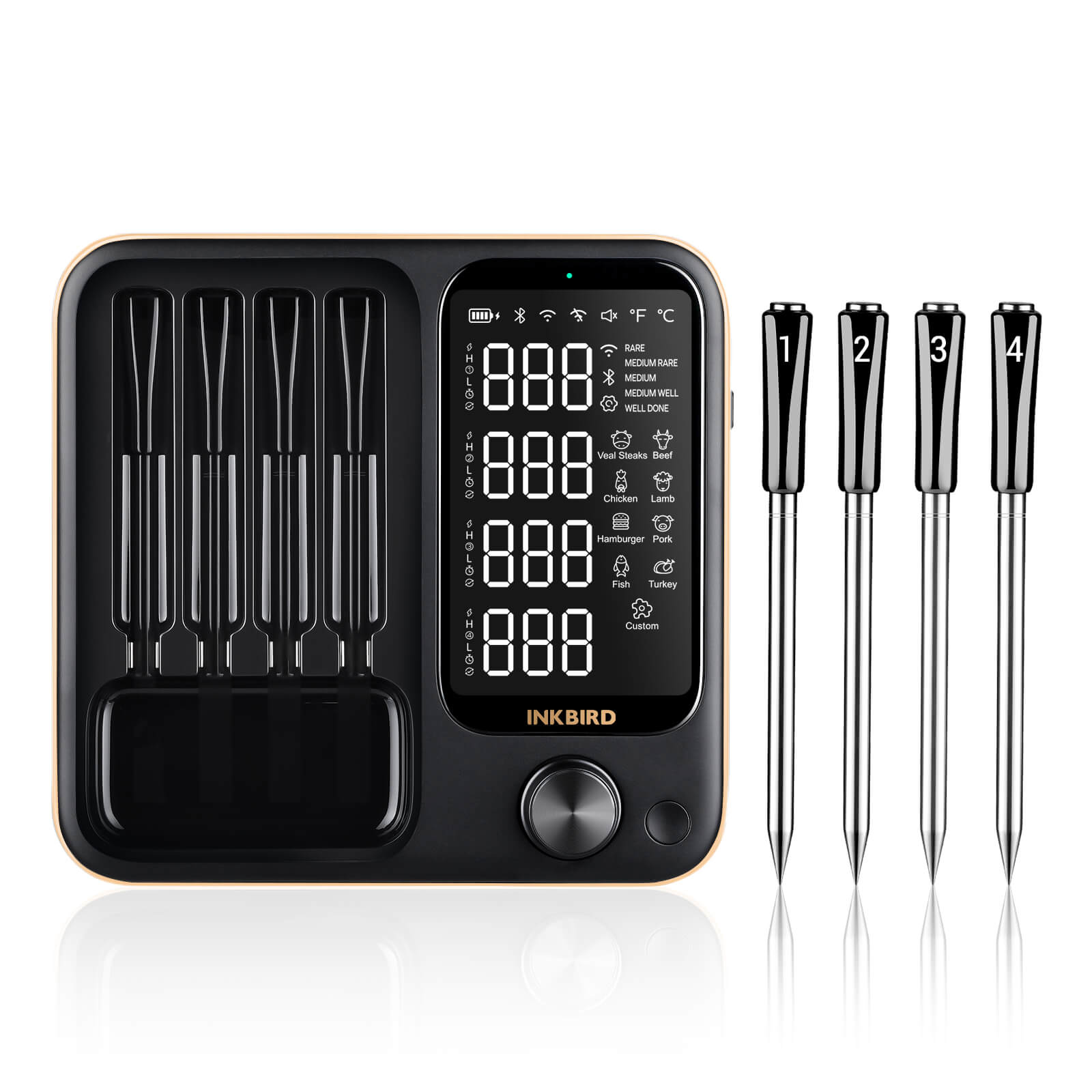
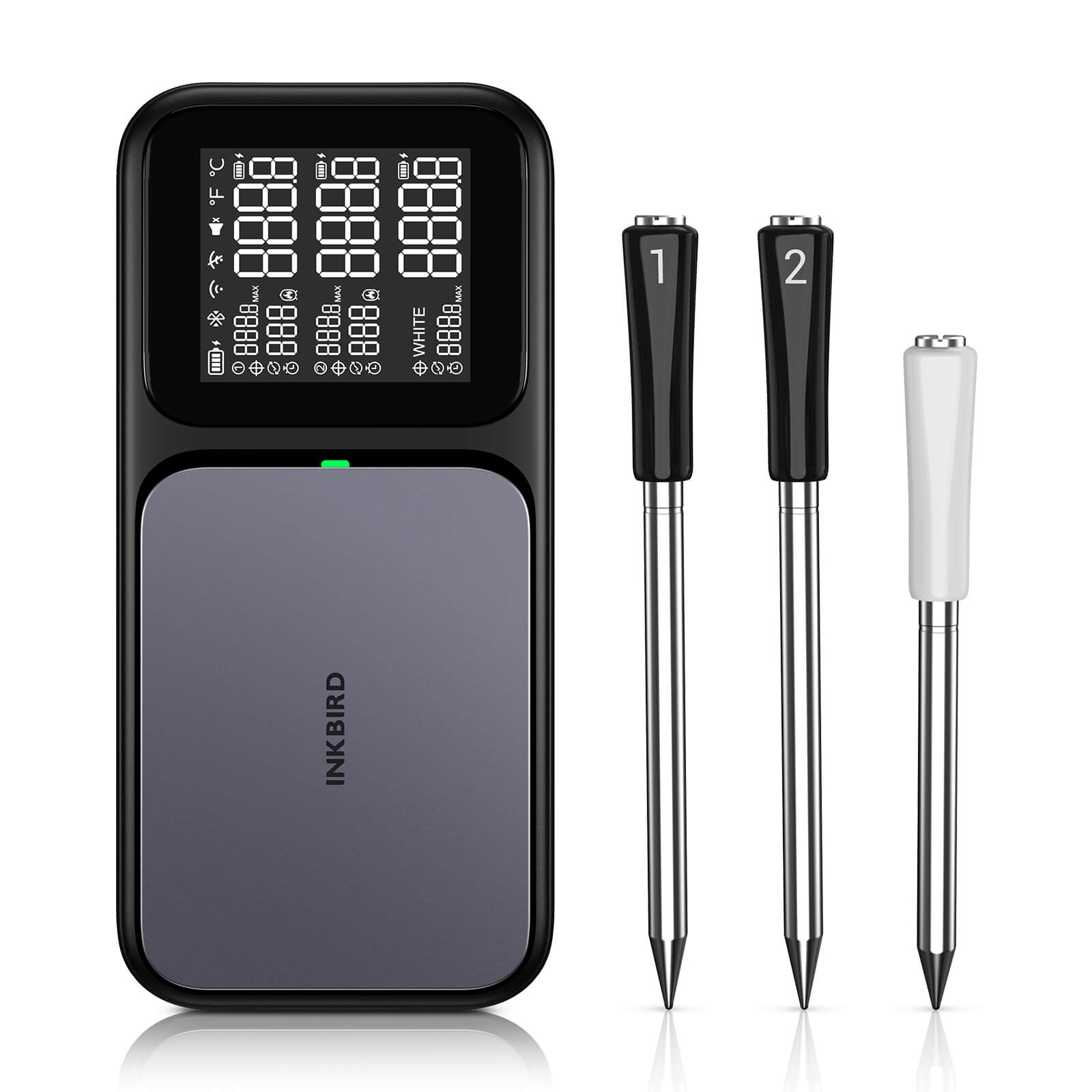
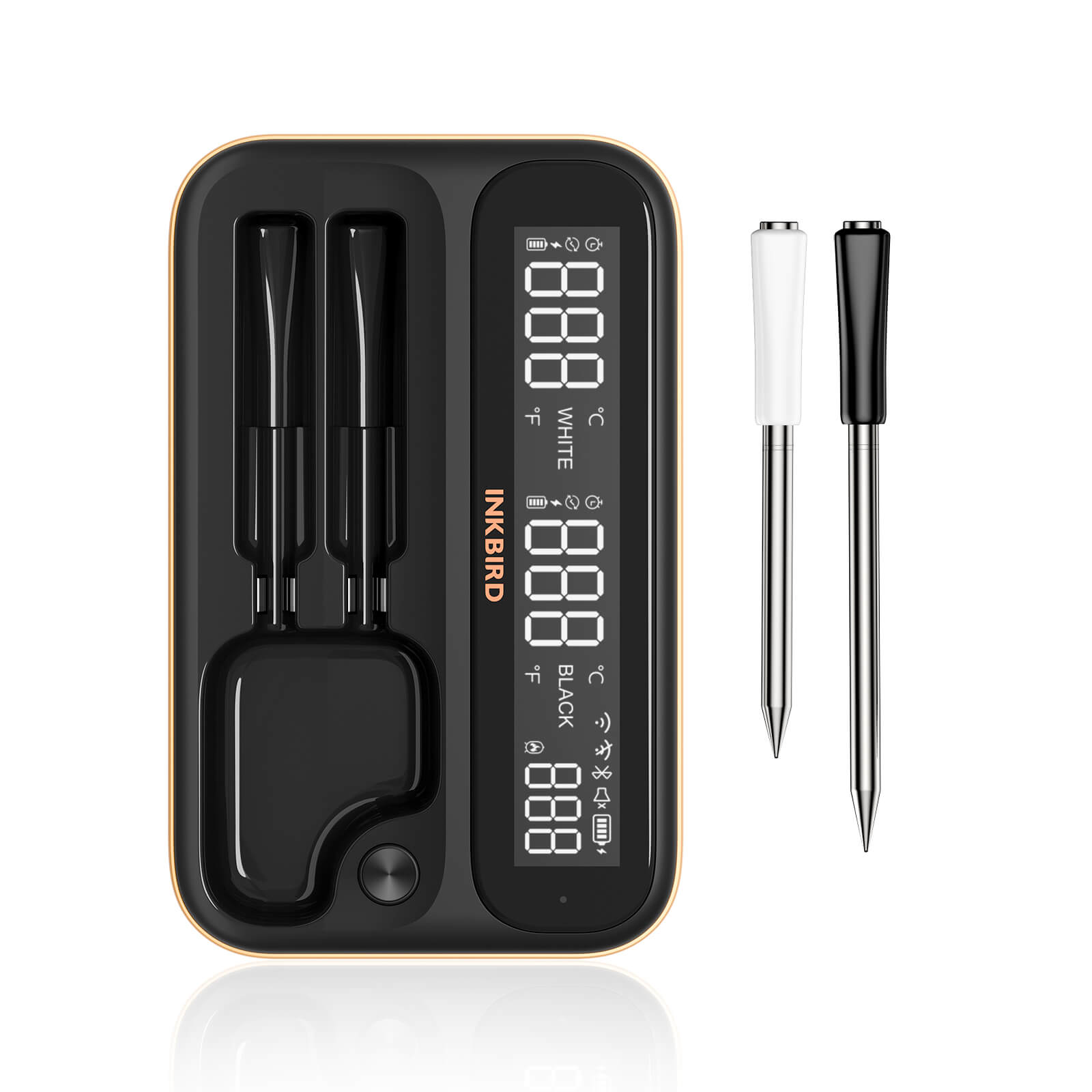
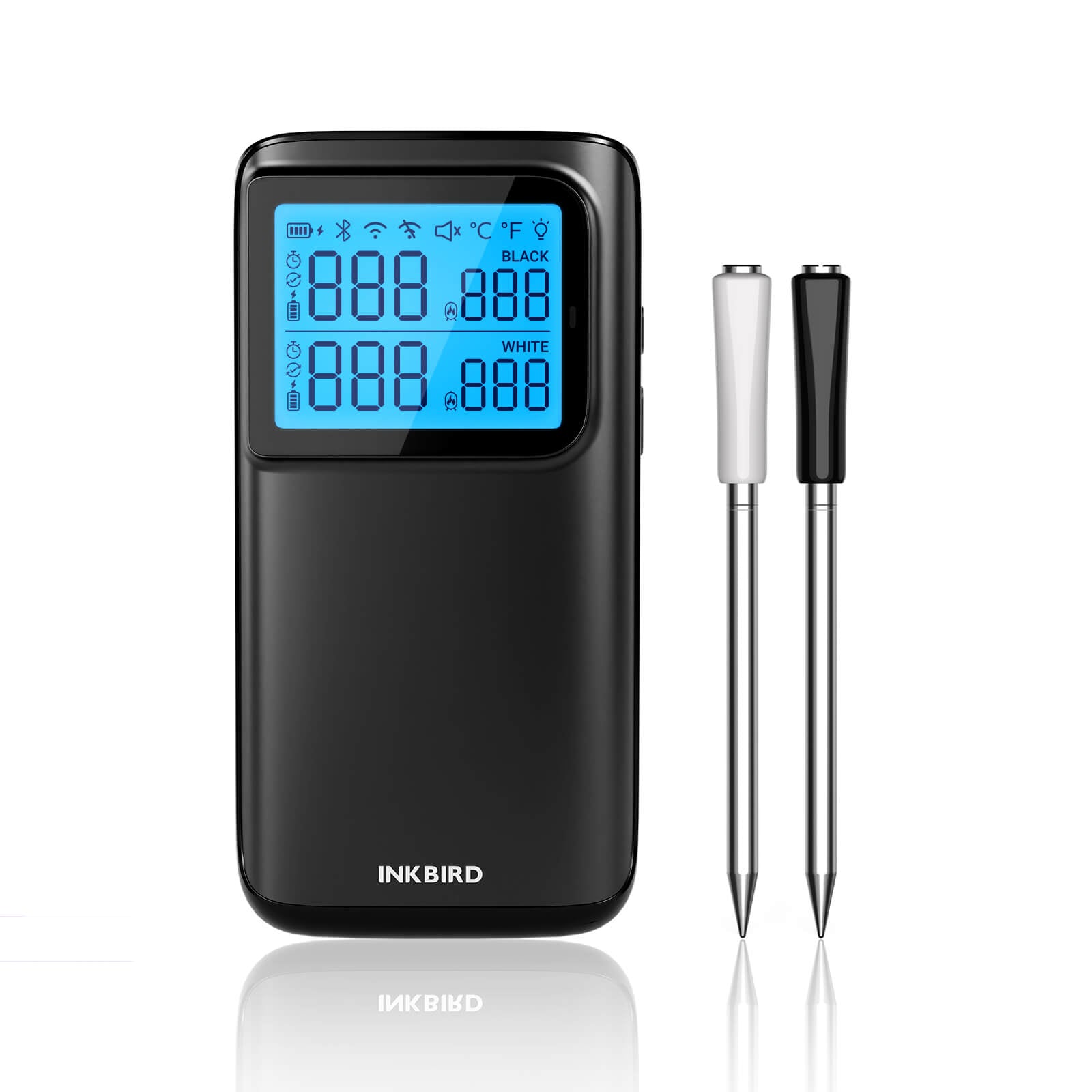
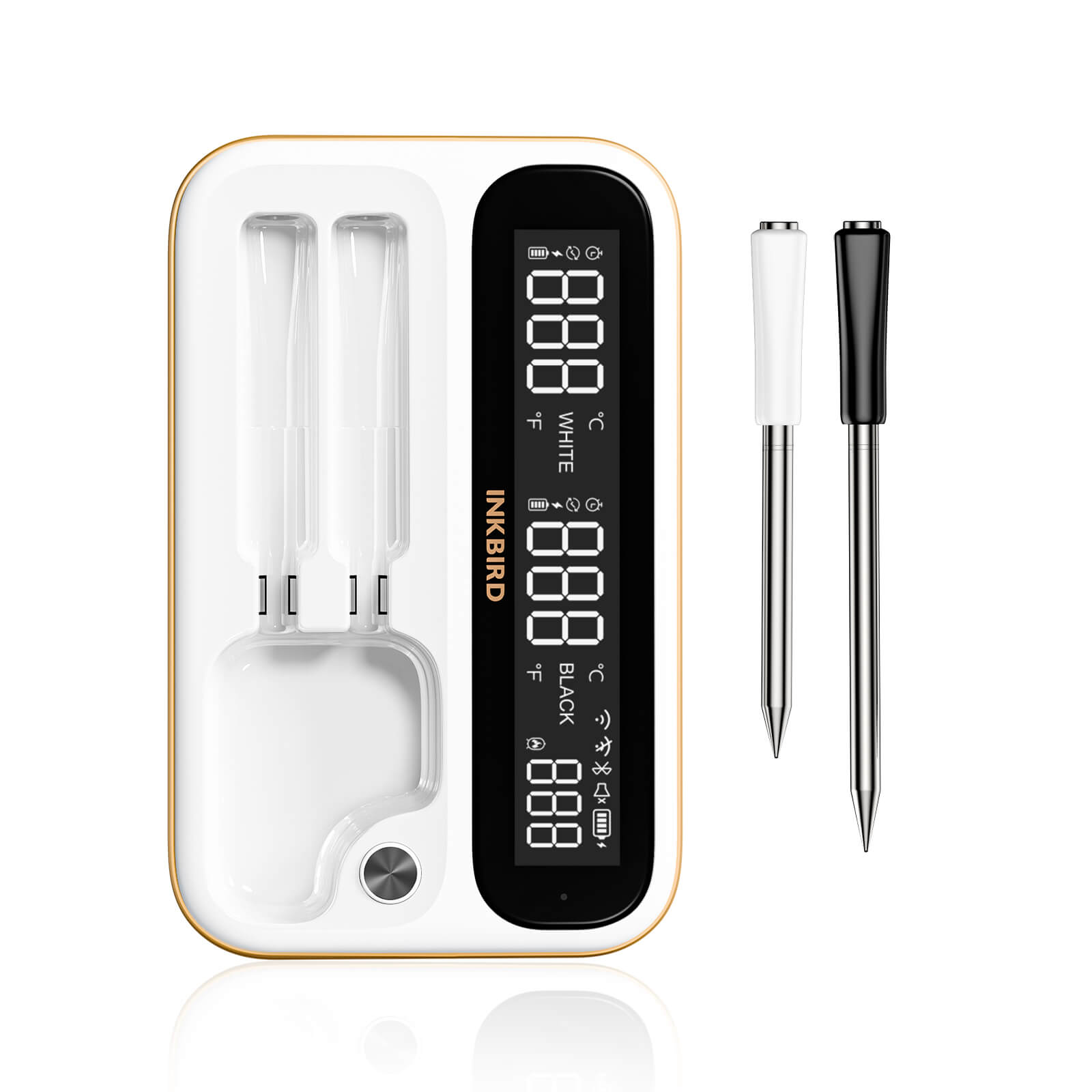
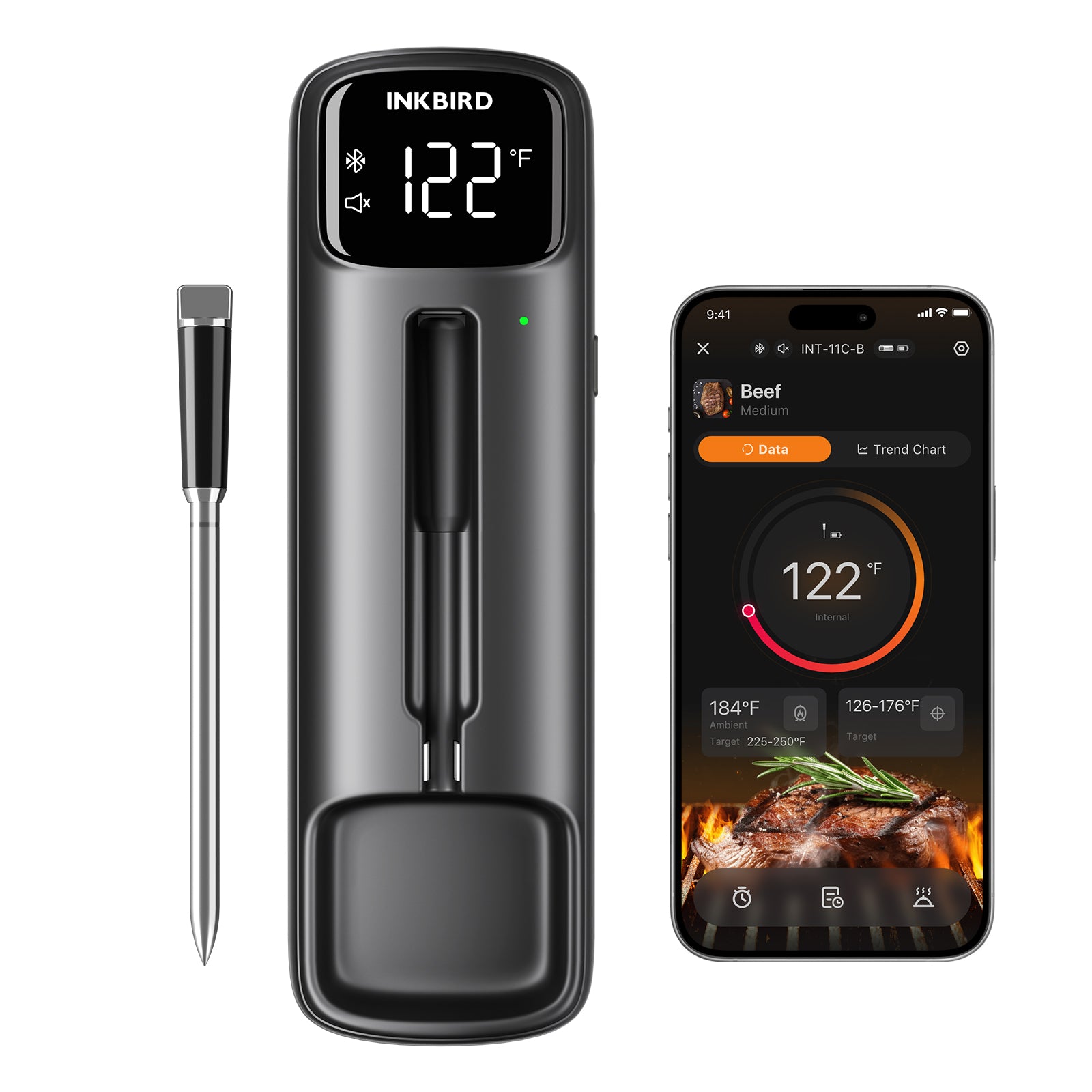
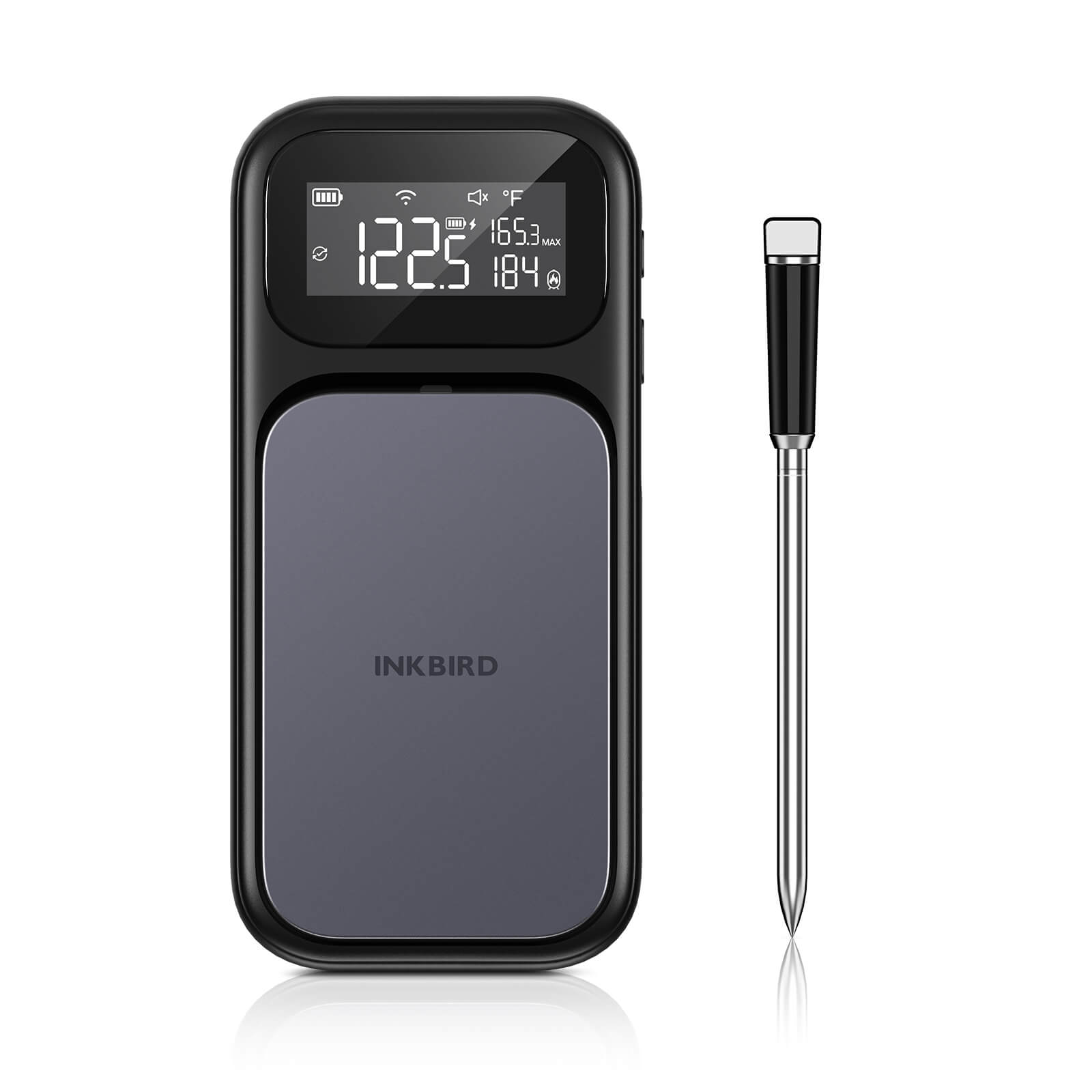
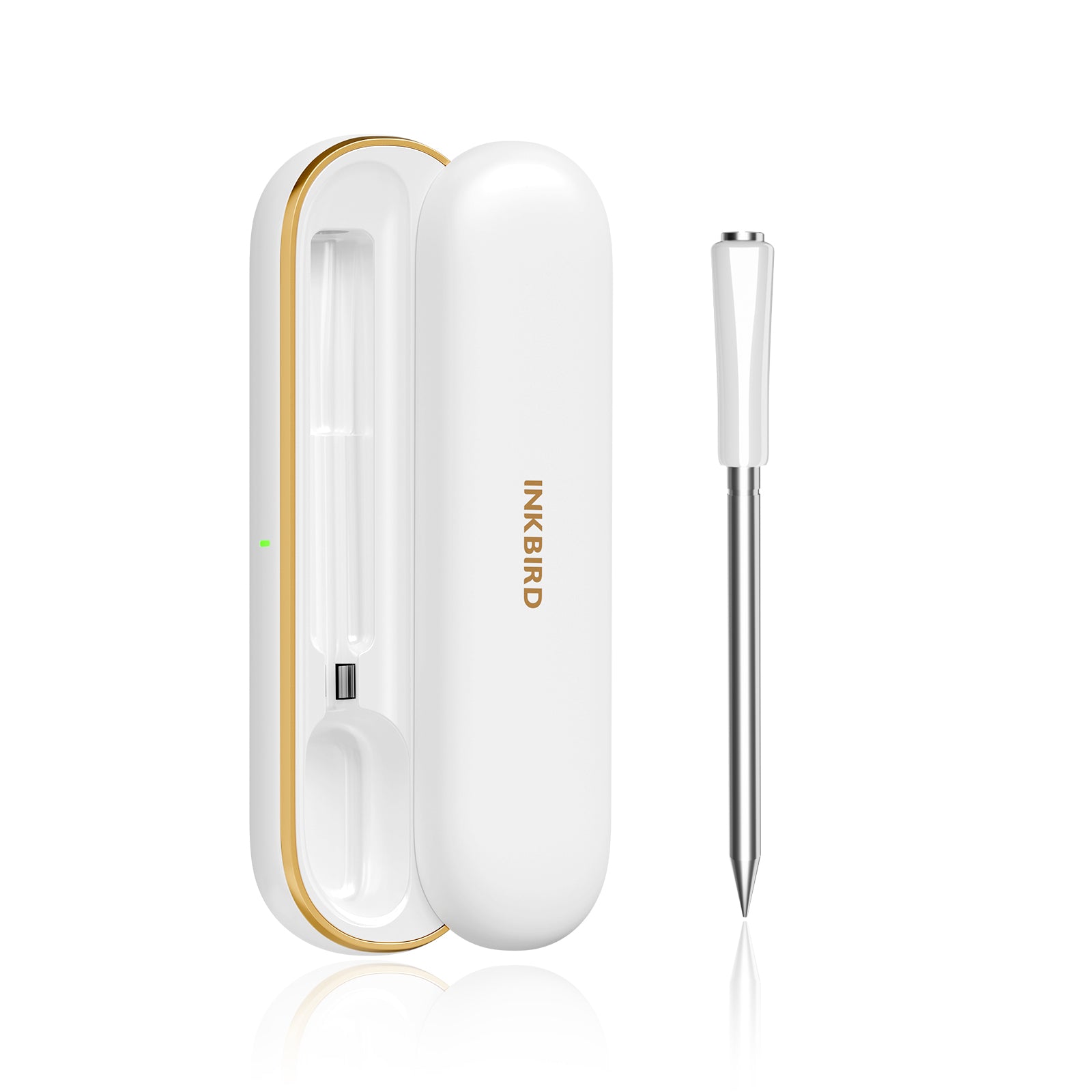
Not using kitchen thermometer: Shrimp internal temp is really the only way to cook them perfect every time. You can use a basic instant-read meat thermometer or a more sophisticated WiFi meat thermometer, but ensure that whichever you choose is accurate.





Share: