


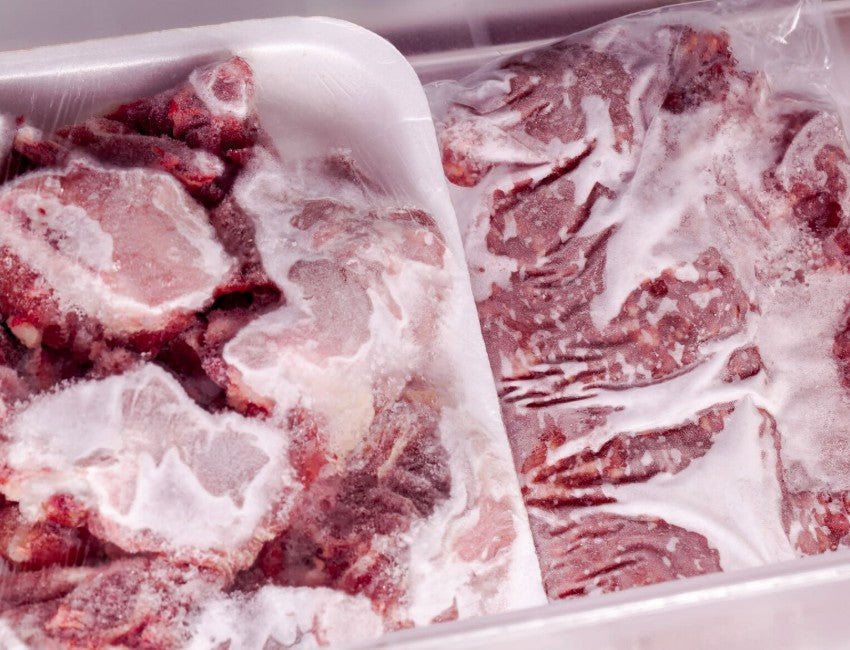
We've all been there. You find a package of meat or your cherished ice cream in the bottom of your freezer, only to find it's covered in crystallized, shriveled, and even a little discolored. It's probably freezer burn. But before you toss it in the trash and mourn the loss, let’s get one thing straight - you might not have to. This common kitchen culprit isn’t always the food-ruining villain we think it is. So, let’s break it down. What exactly is freezer burn? Is it safe? And how can you prevent it from happening again?
What Is Freezer Burn?
Freezer burn is actually a form of dehydration, not a a sign of spoilage in the traditional sense, like mold or bacteria. It’s basically the frozen equivalent of windburn on your skin.
When your food isn’t sealed properly, that dry, cold air sucks the moisture right out of it. This moisture doesn’t just drip away. Instead, it sublimates, turning directly from solid ice into vapor and leaving your food high and dry. What’s left behind are literally those dry, tough ,porous patches we see.
On top of that, oxygen can sneak in and cause oxidation, which leads to weird colors and funky tastes, especially in fatty foods.

What Causes Freezer Burn?
Poor packaging is the most common cause of freezer burn. If food isn't tightly packaged or stored in airtight containers, air can easily come into contact with the food, causing moisture loss. However, even well-packaged food are at risk - the longer they sit in the freezer, the more likely they are to succumb to some degree of freezer burn. Additionally, every time you open the refrigerator door, the internal temperature rises briefly, and ice crystals may melt slightly and then freeze again.
What Does Freezer Burn Look Like?
Freezer burn can manifest slightly differently in different foods, but generally, you’ll see the affected area appear dull and wrinkled, sometimes covered in ice crystals.
Specifically, freezer-burned chicken will have dry, grayish-white spots that looks like faded parchment, while red meat might turn a dull brown or gray instead of its vibrant red. Fruits and vegetables, due to their high water content, are more susceptible to freezer burn, becoming dry and shrunken. Meanwhile, staples like rice, pasta, bread or cake can develop a coarse texture and may shrink in volume. When ice cream gets freezer burned, it can become grainy and crumbly, losing all its rich creaminess.

Is Freezer Burn Safe to Eat?
The good news is that freezer-burned food is safe to eat. According to the USDA, food stored below 0°F will always remain safe to eat. Even if it looks bad, freezer burn doesn’t mean it’s spoiled like expired milk or rotten fruit, as harmful bacteria can’t thrive at this temperature. As long as your food was fresh when you put it in, stored correctly, and thawed properly, it should be find to consume.
However, the real problem lies elsewhere - freezer burn can change the flavor and texture of your food, compromising its overall quality.

What Does Freezer Burn Taste Like?
So now you know that freezer-burned food is still safe to eat, just a bit less appealing. But what do they actually taste like? Basically, all of its original flavor and texture are gone due to moisture loss, replaced by a dehydrated, oxidized taste, like stale cardboard. It’s most noticeable in things like ice cream, fish, and other delicate foods.
In short, it tastes like disappointment.
How to Get Rid of Freezer Burn Taste?
Sadly, freezer burn cannot be reversed, but if you don’t want to waste food, you can take steps to reduce its impact. The simplest solution is to trim away the affected area before cooking and mask the odor with marinades, seasonings, or sauces. Freezer-burned fruits and vegetables can be salvaged by blending them into smoothies, purees, or sauces, where texture is less of an issue. For ice cream, simply remove the top layer of freezer burn or try to blend it into a milkshake.
However, these are just temporary solutions. The best approach is always to prevent freezer burn from happening in the first place.

How to Prevent Freezer Burn?
The best medicine is always prevention, and thankfully, preventing freezer burn is pretty easy once you get the hang of it. It all boils down to one thing: keeping air out.
Use Proper Packaging
The thin packaging you get at the supermarket isn’t enough. If you decide to freeze your food, use specialized freezer bags, or glass containers or jars. Alternatively, if you don’t have those on hand, you can tightly wrap your food in plastic wrap or was and then in foil.
Remove Excess Air
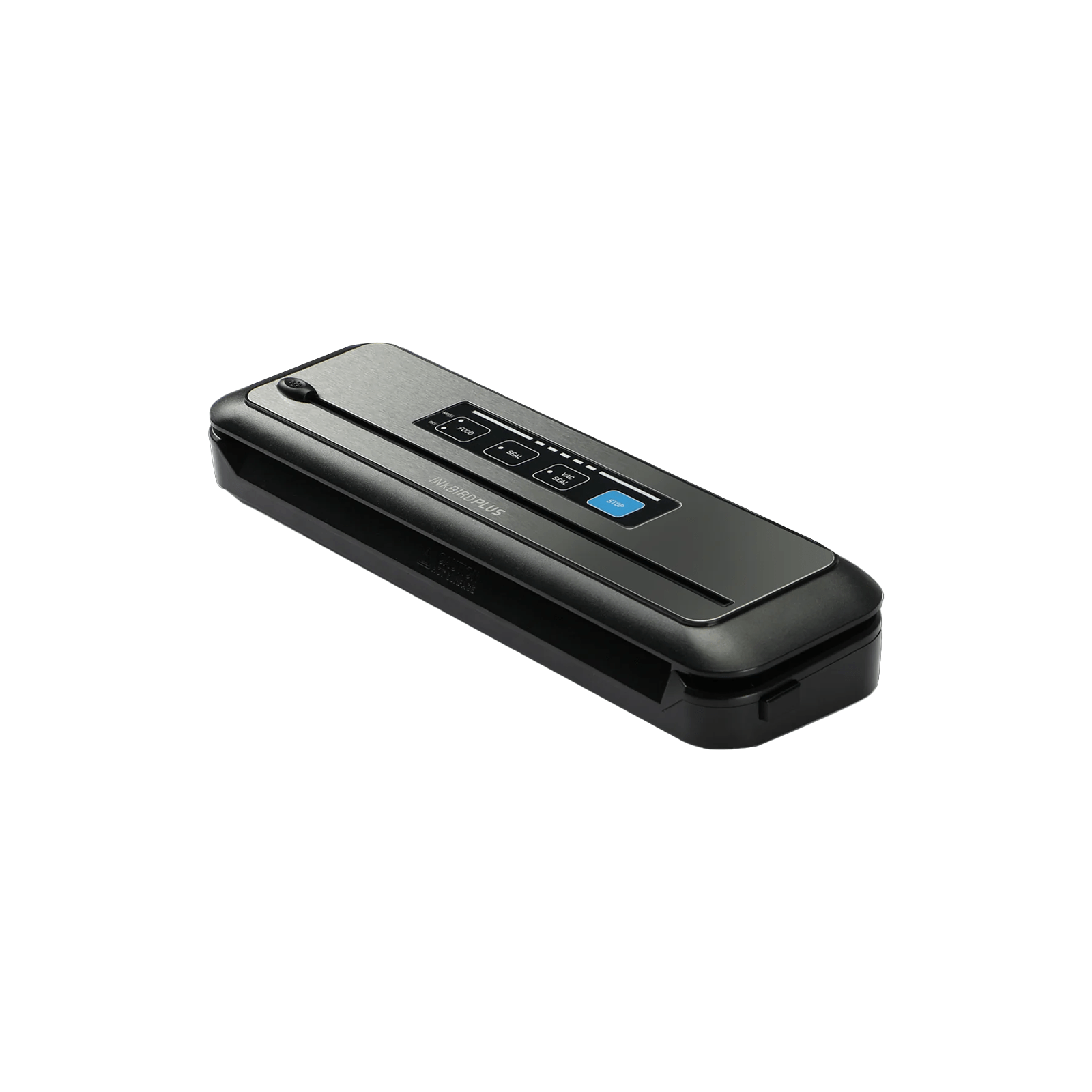
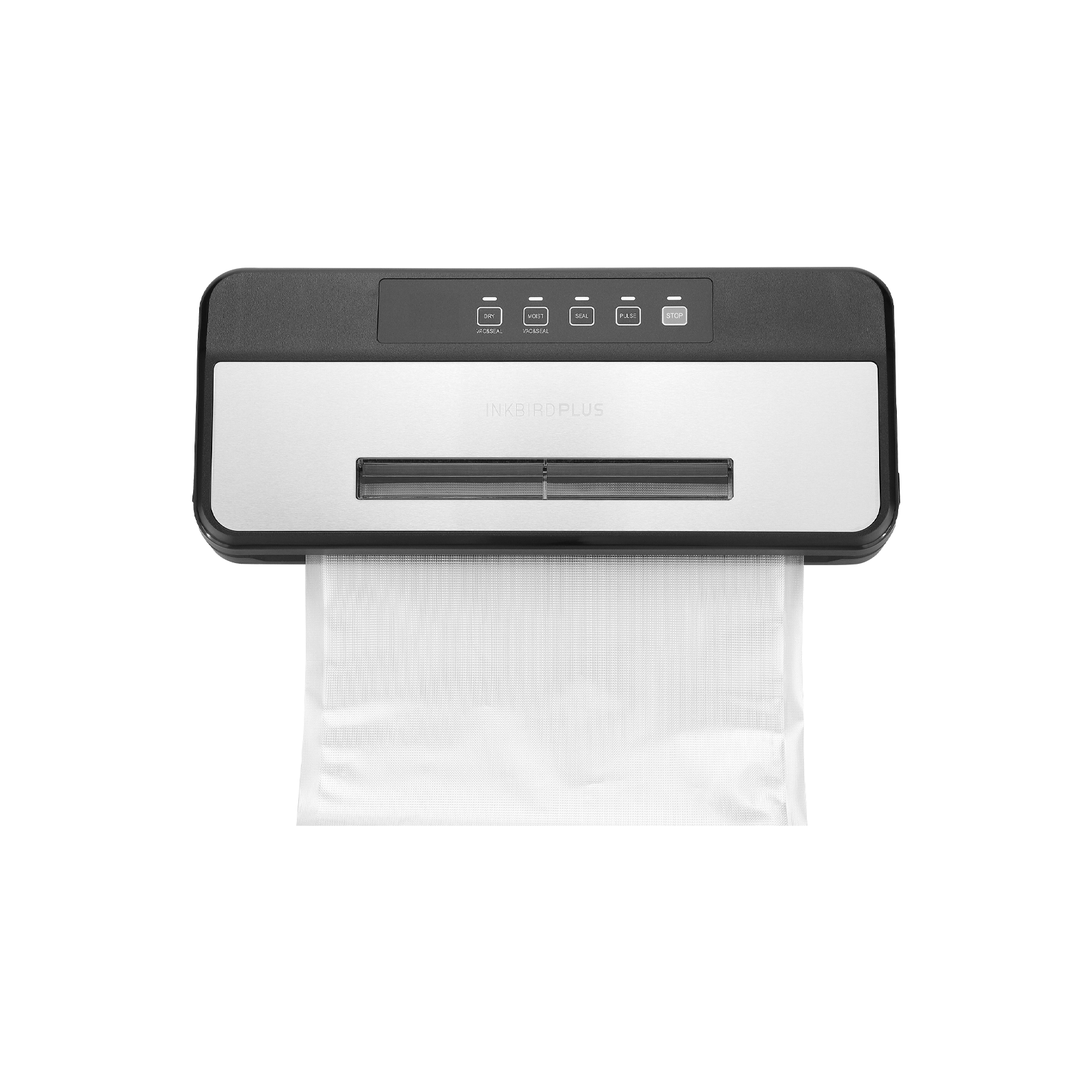
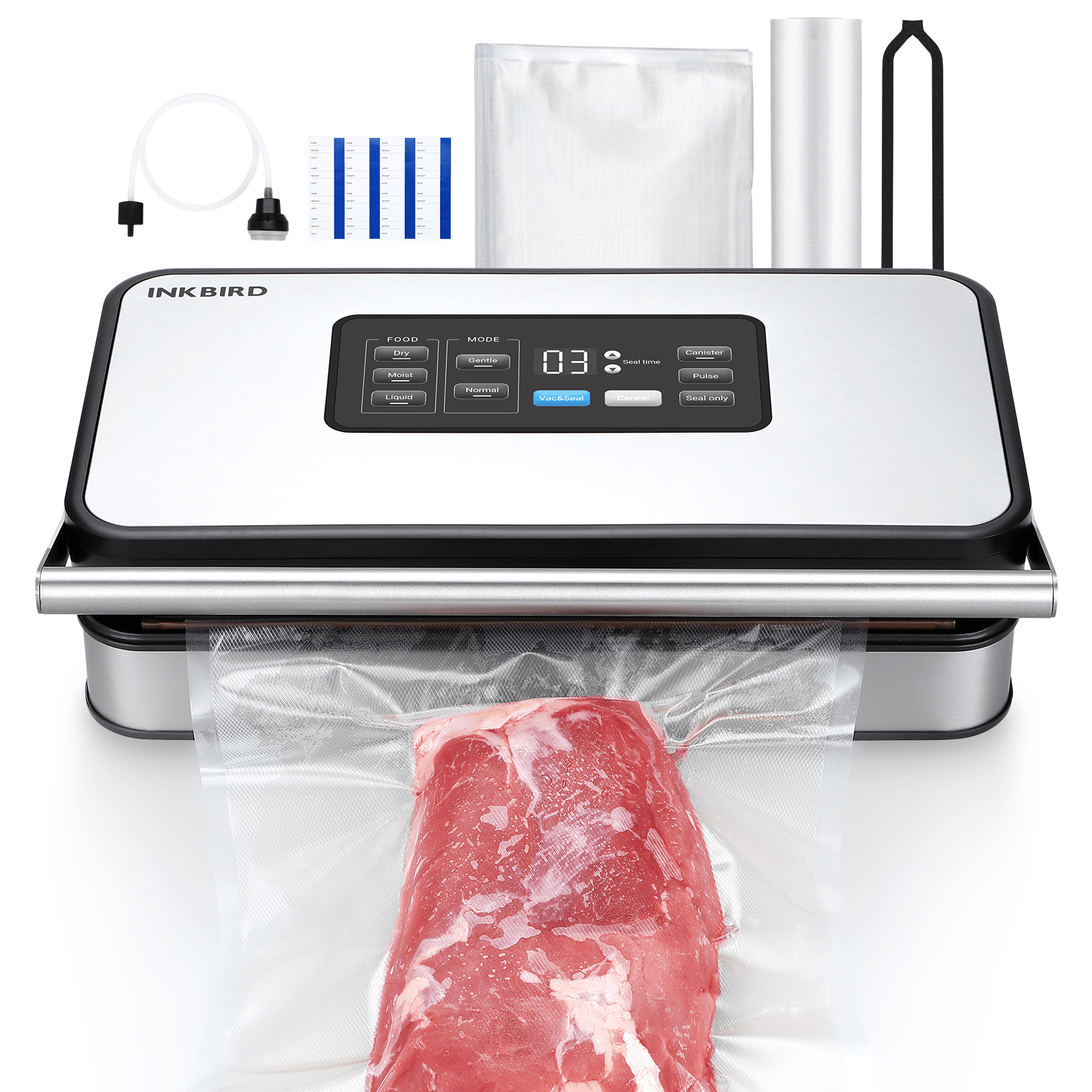
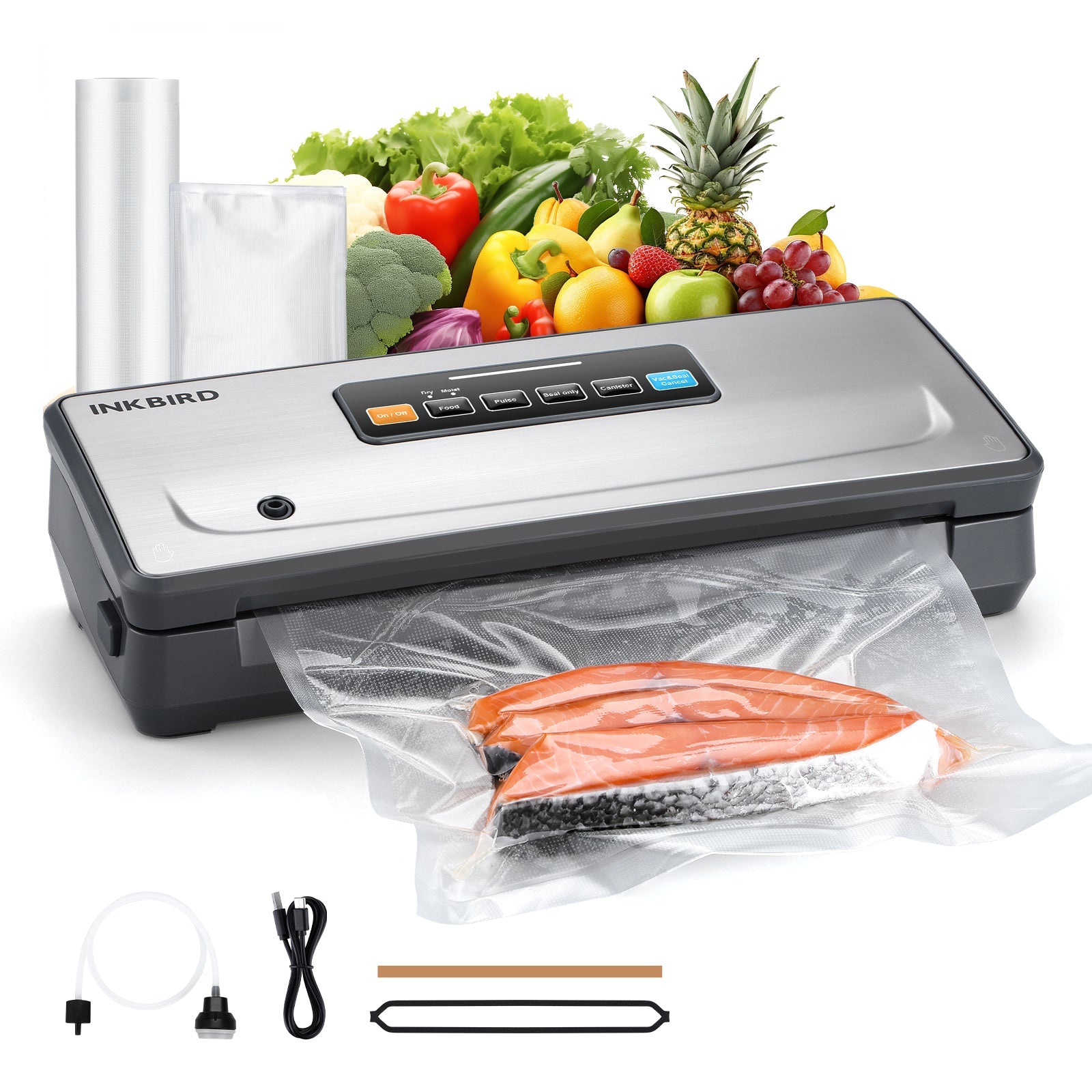
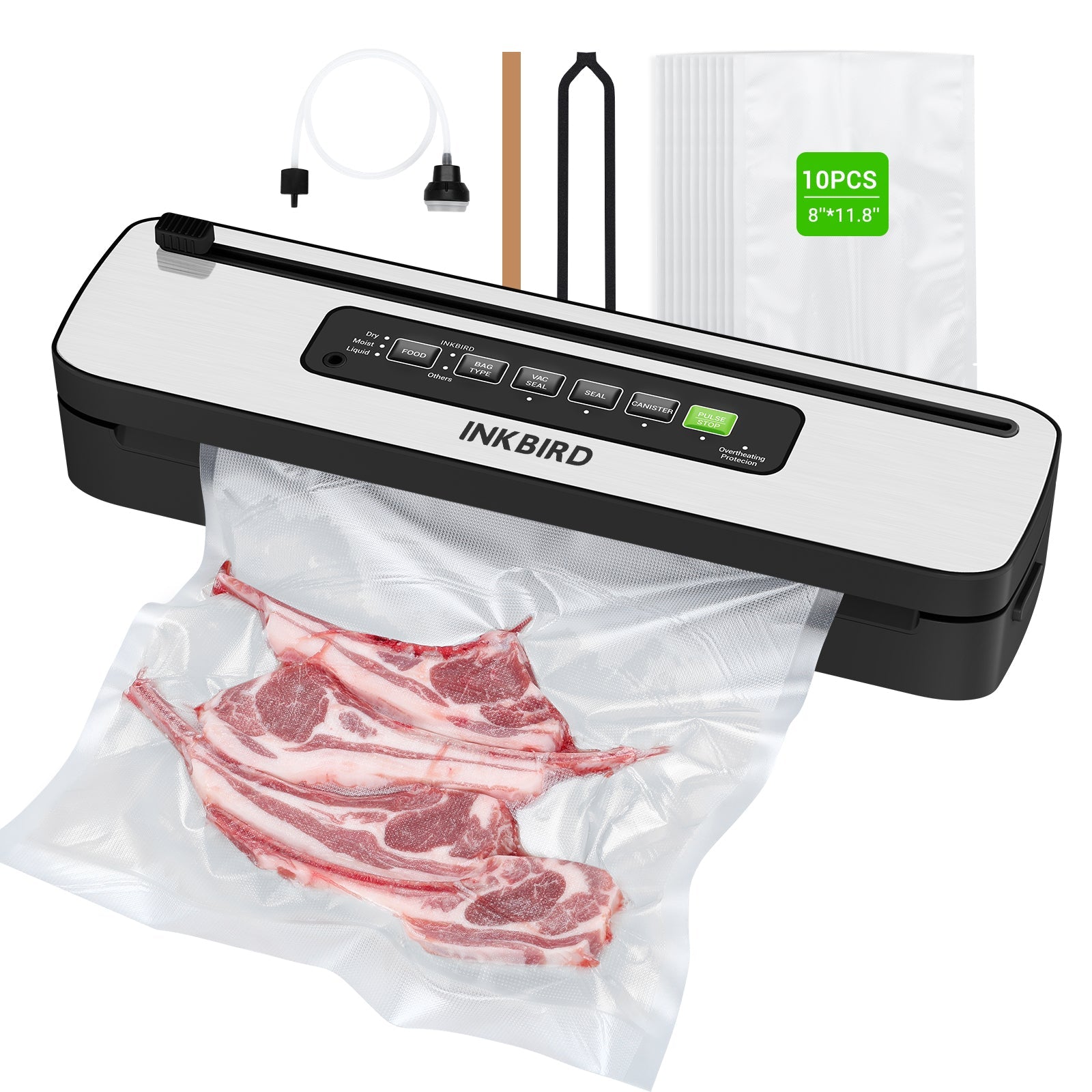
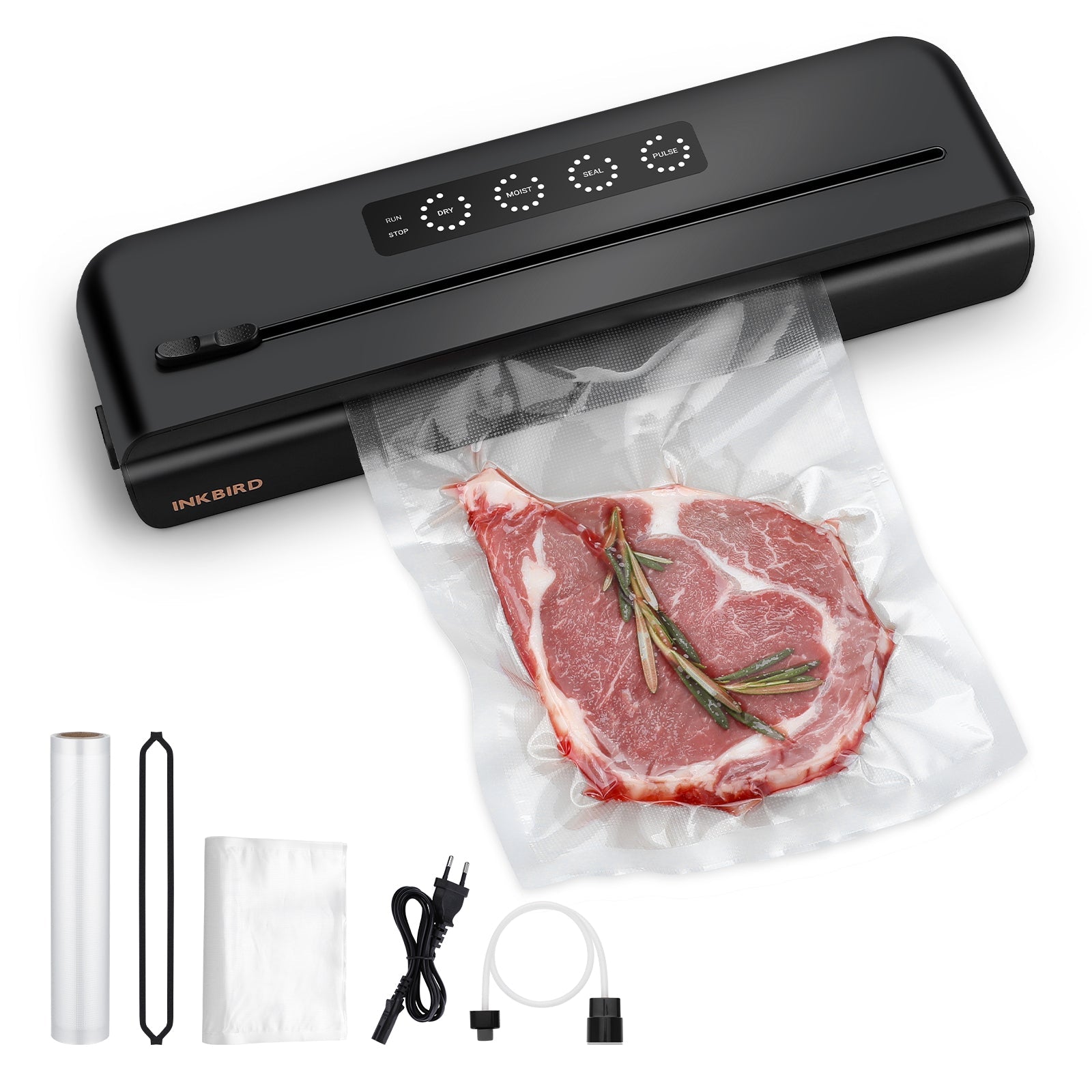
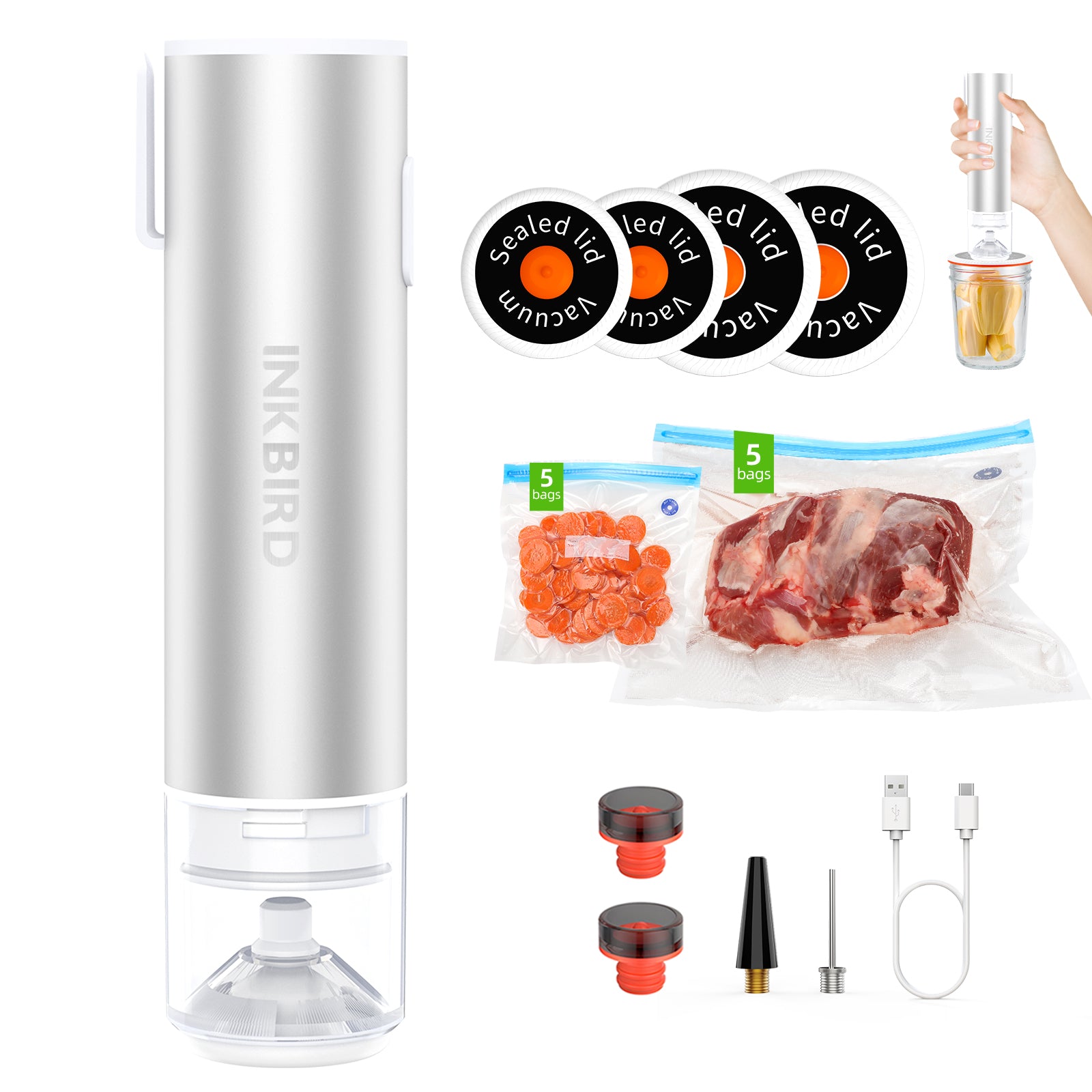
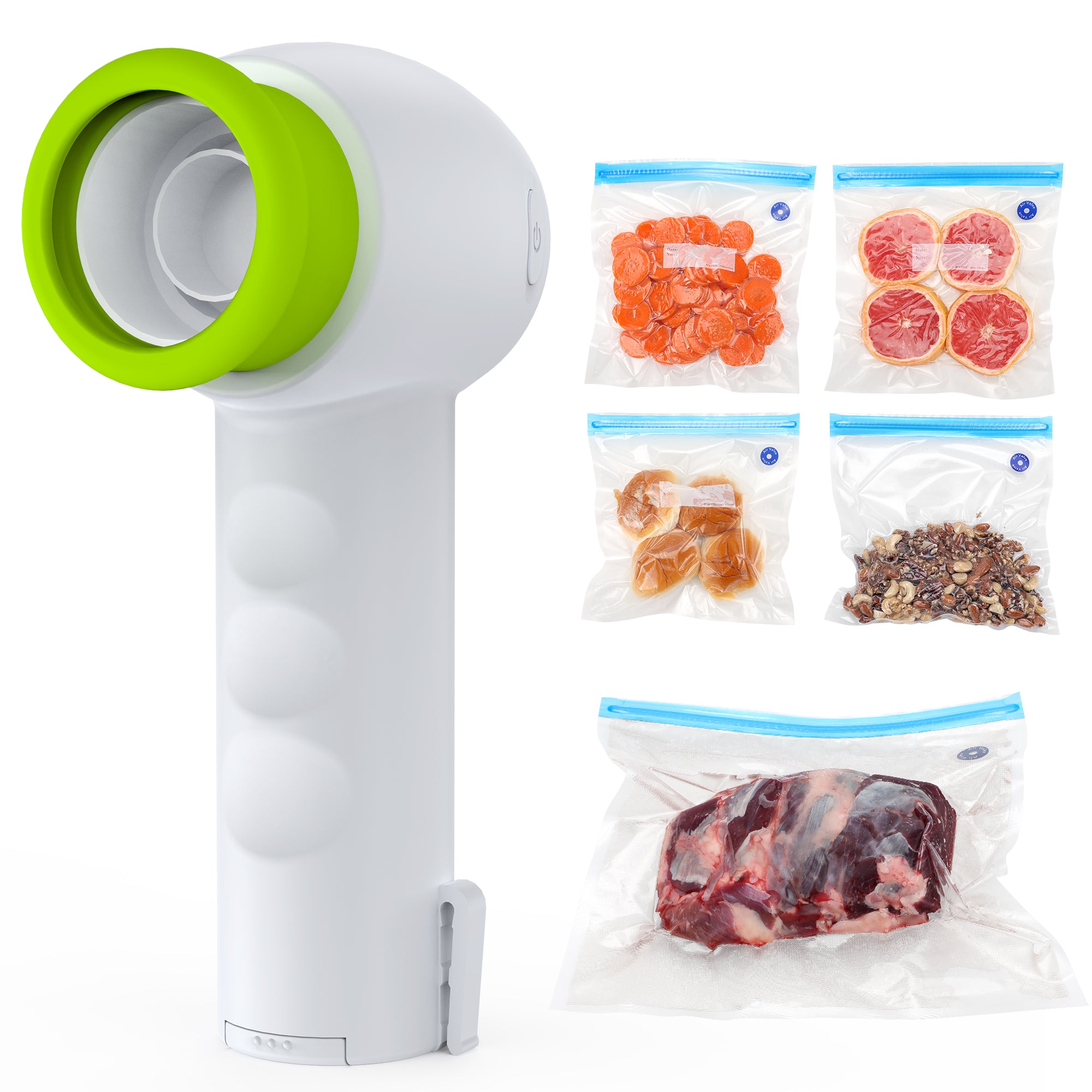
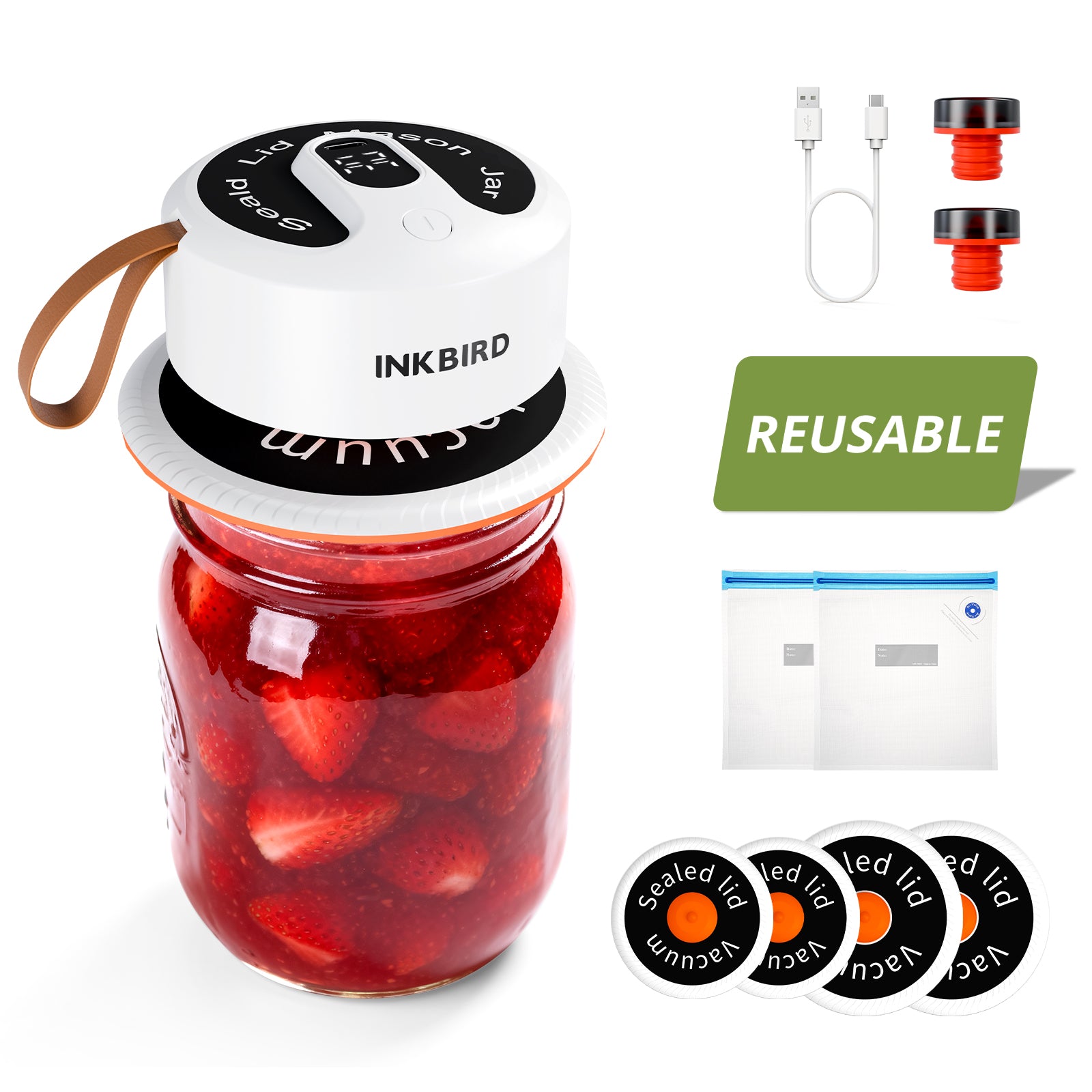
Whether you use freezer bags or containers, squeeze out as much air as possible. The best solution is to use an INKBIRD Vacuum Sealer, which not only vacuum seals freezer bags, but also has a dedicated jar mode to remove air from jars.

INKBIRD Vacuum Sealer
Extend the freshness of your food. Perfect for food storage, sous vide cooking, and meal prep.
Learn MoreRelated Readings:
How Long Does Vacuum-Sealed Meat Last?
Blanch Vegetables
Before freezing most vegetables, like freezing corn on the cob, it’s best to briefly boil them, and quickly plunge into ice water to help stop enzyme action that degrades flavor and color. This process also forms a protective layer, ensuring they stay fresh when frozen.

Cool Food Before Freezing It
Placing hot food straight into the freezer will not only raise the temperature inside the freezer, but will also affect any nearby items. So before doing so, let the food cool to room temperature or chill it in the refrigerator for an hour or two before freezing.
Freeze Food in Portions
Divide large portions of food into smaller portions for easier access. Avoid freezing food repeatedly, as each time food is frozen, moisture can build up on its surface, increasing the chances of freezer burn.

Maintain Freezer Temperature
Keep your freezer at steady 0°F (-18°C) or colder, and use a thermometer to monitor it. Try to avoid the time the door is open to maintain the cold environment inside.
Don’t Overpack or Leave Too Empty
A freezer that’s about three-quarters full is ideal. If it’s too full, air can’t flow properly, but if it’s too empty, excess air can cause freezer burn. If you have enough space, consider using freezer shelves to create a few inches of space beneath your food for better air circulation.

FAQs
How to know if something is freezer burned?
Look for dry, grayish or brownish leathery spots, noticeable ice crystals on the food itself, and a loss of vibrant color. The texture will feel tough and hard in those areas.
Can you get sick from eating freezer-burned food?
Look for dry, grayish or brownish leathery spots, noticeable ice crystals on the food itself, and a loss of vibrant color. The texture will feel tough and hard in those areas.
Does freezer burn mean the food went bad?
Not in the sense of being spoiled or rotten. The food is still safe to eat, but its quality has deteriorated. It's dehydrated and oxidized, which ruins the texture and flavor.
How long does it take for food to get freezer burn?
It depends entirely on packaging. Poorly wrapped food can show signs in just a few weeks. Properly vacuum-sealed food can last for years without any freezer burn, so this is why a vacuum sealer is a must-have.




Share: