


Black mold - just hearing the name is enough to send the hairs down your spine - could be a real headache when it appears in your home. These dark, slimy patches often invade in places like your bathroom ceiling, shower grout, or basement walls. More than just an eyesore, black mold can also cause serious health problems, such as respiratory issues, allergic reactions, and potential long-term complications. The good news is that with some disinfectants and a bit of effort, you can get rid of black mold. Keep reading for practical steps on black mold removal and tips to prevent it from coming back.
What Is Black Mold? Is It Dangerous?
Black mold isn’t just one type. There are many molds that are black, but when people mention it, they are mostly referring to Stachybotrys chartarum. This toxigenic mold is typically dark green-black and has a slimy texture, growing and spreading on moist, cellulose-rich materials like drywall, wood, and insulation, especially after water damage.

While not all molds and fungi are toxic - think of cheese and mushrooms - black mold can produce mycotoxins that may become airborne and cause allergies or respiratory issues if inhaled or contacted, particularly in people with weakened immune systems or pre-existing conditions like asthma.
The Centers for Disease Control and Prevention advises, “There’s no need to identify which type of mold might be growing in your home. All molds should be treated with caution due to potential health risks and should be removed.”
What Are Signs of Black Mold Exposure?
There’s strong evidence linking indoor black mold exposure to upper respiratory issues, hypersensitivity pneumonitis, coughing, and wheezing. The most common symptoms include:
- Sneezing
- Coughing
- Nasal congestion
- Runny nose
- Postnasal drip
- Red and itchy eyes
- Wheezing
- Shortness of breath
- Dry cough
- Chest tightness
- Rash and itching
- Hives
- Dizziness, headaches, or migraines
Beyond physical health effects, black mold can also cause damage to your property - it feeds on organic materials like wood and drywall, which deteriorate over time. Furthermore, mold-infested areas often have a musty and damp odor, which can significantly reduce your indoor air quality.
Also Read: How to Improve Indoor Air Quality?
What Causes Black Mold?
Tiny black mold spores are found everywhere in our environment, both outdoors and indoors. They can easily make their way into our homes through various channels. Once they find a suitable environment, they grow and spread on surfaces until they become visible.
Generally, you can find black mold in bathrooms, showers, behind toilets, under sinks, in dishwashers, attics, basements, around leaky doors and windows, behind walls with leaking pipes, and in ceilings with water damage. All of these spots have one thing in common - moisture, which is the most important factor for mold growth. Additionally, mold needs oxygen, a temperature range of 40 to 100 degrees Fahrenheit (4.4 to 38 degrees Celsius), and a food source like drywall or paper to grow.

How to Get Rid of Black Mold?
Before black mold removal, you should first determine the extent of the mold. According to the U.S. Environmental Protection Agency (EPA), if the mold infestation is larger than 10 square feet, it’s best to call a professional mold remediation service. This is not a DIY job. Assuming your mold issue is smaller than that, you can follow the step-by-step instructions below to get rid of black mold effectively.
Step 1: Gear Up with Safety Equipment
To prevent exposure to toxic spores and chemicals, you need to wear:
- An N95 or P100 respirator
- Non-ventilated goggles
- Long rubber gloves made of nitrile or natural rubber
- Disposable coveralls
Moreover, make sure to seal the wrists and ankles with tape, and have some old clothes ready for washing or disposal afterward.

Step 2: Ventilate and Contain the Area
Close doors and windows to other rooms and cover vents and ducts with plastic to stop spores from spreading during cleanup. Make sure to turn off any HVAC systems to avoid circulating the spores. Open one window in the affected room and position a fan to blow air outside to exhaust spores.
Step 3: Identify and Fix the Moisture Source
Mold will regrow within 48 hours without solving the rooting cause, so you need to repair any leaks in your roof, pipes, or windows to prevent water intrusion, and use exhaust fans to improve ventilation. What’s more, if possible, you can run a dehumidifier to keep humidity below 50%.

Step 4: Remove Wet or Contaminated Items
Porous materials can trap mold roots, so if items like carpets, upholstery, bedding, or toys are soaked and haven’t dried within 48 hours, discard them if they show signs of black mold. For non-porous items like plastic shower curtains, you can either spray them with a mold cleaner or wash them in the machine with bleach, provided it’s safe to do so.
Step 5: Clean Black Mold
Prepare your cleaning solution based on what you have on hand. Here are some options:
- Undiluted white vinegar - spray, wait 1 hour, scrub with a stiff brush, and wipe clean.
- 3% hydrogen peroxide - spray, wait 15 mins, scrub with a stiff brush, and dry completely.
- Baking soda paste - mix 1 teaspoon of baking soda with water in a spray bottle, apply, scrub, and rinse.
- Bleach solution - mix 1 cup of bleach with 1 gallon of water, apply, scrub, and rinse.
Do not use bleach on porous surfaces like drywall or wood, as it only kills mold on the surface and doesn’t penetrate deeply enough, which allows the roots of the mold to survive and regrow. Plus, the water content in the bleach can add moisture, making the problem worse in the long run.
Once you’ve finished cleaning, all black mold should be invisible to the naked eye.

Step 6: Bag and Dispose of Waste
Seal moldy debris, rags, sponges, and disposable tools in heavy-duty plastic bags and discard them immediately outside your home. For reusable tools, clean them with detergent and hot water.
Step 7: Dry the Area Completely
Wipe all surfaces dry and check hidden spots like behind furniture and under sinks. Then, use fans and dehumidifiers for 24 to 48 hours to prevent mold from returning.

Step 8: Monitor for Regrowth
Mold often returns if sources aren’t fully resolved, so for the next week or two, check daily for any signs of black mold, such as visible growth, musty smells, or recurring dampness. If mold persists or if you find that the odors are from your HVAC systems, call a professional mold removal service for help.
How to Prevent the Growth of Black Mold?
To effectively prevent black mold from regrowing, humidity control is the key:
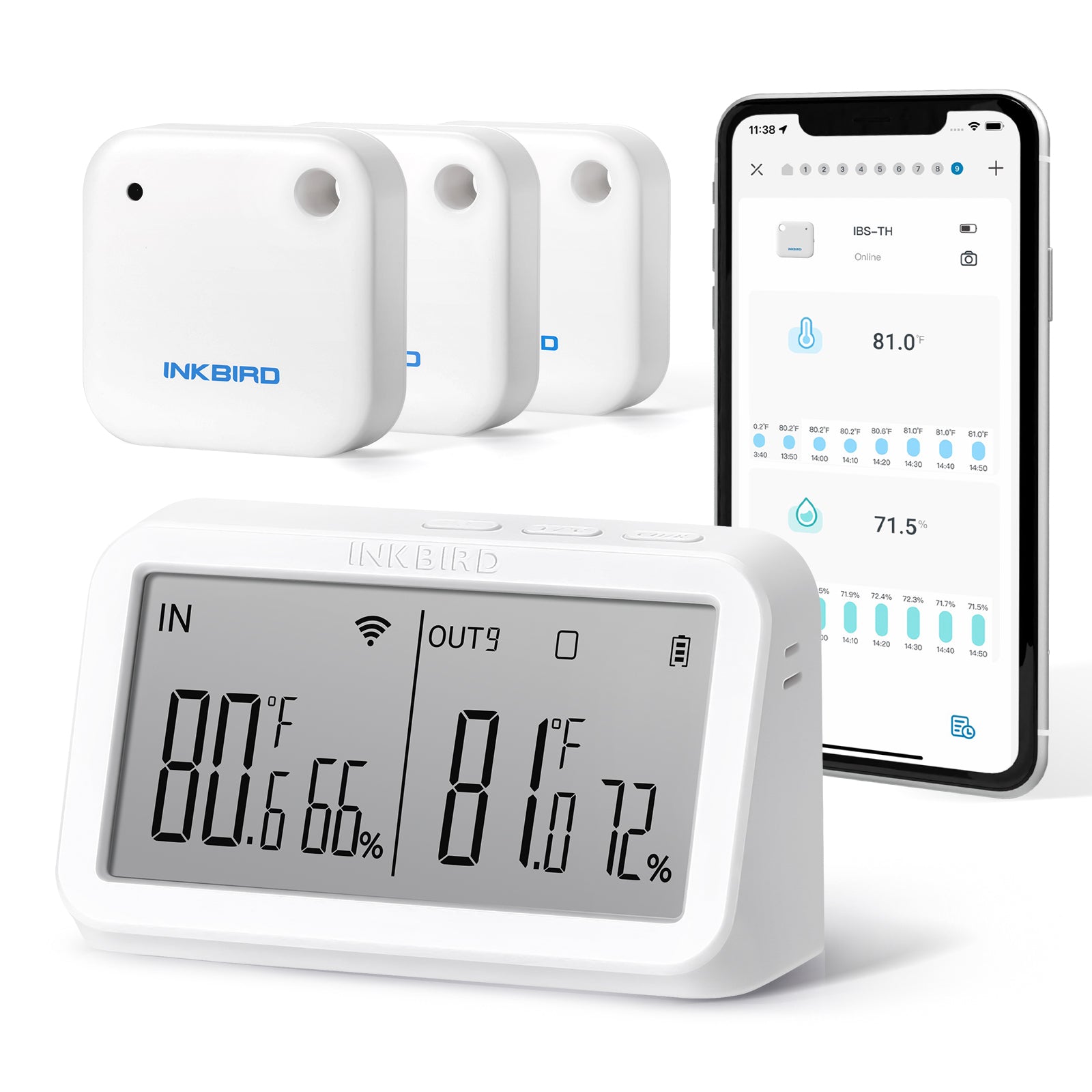
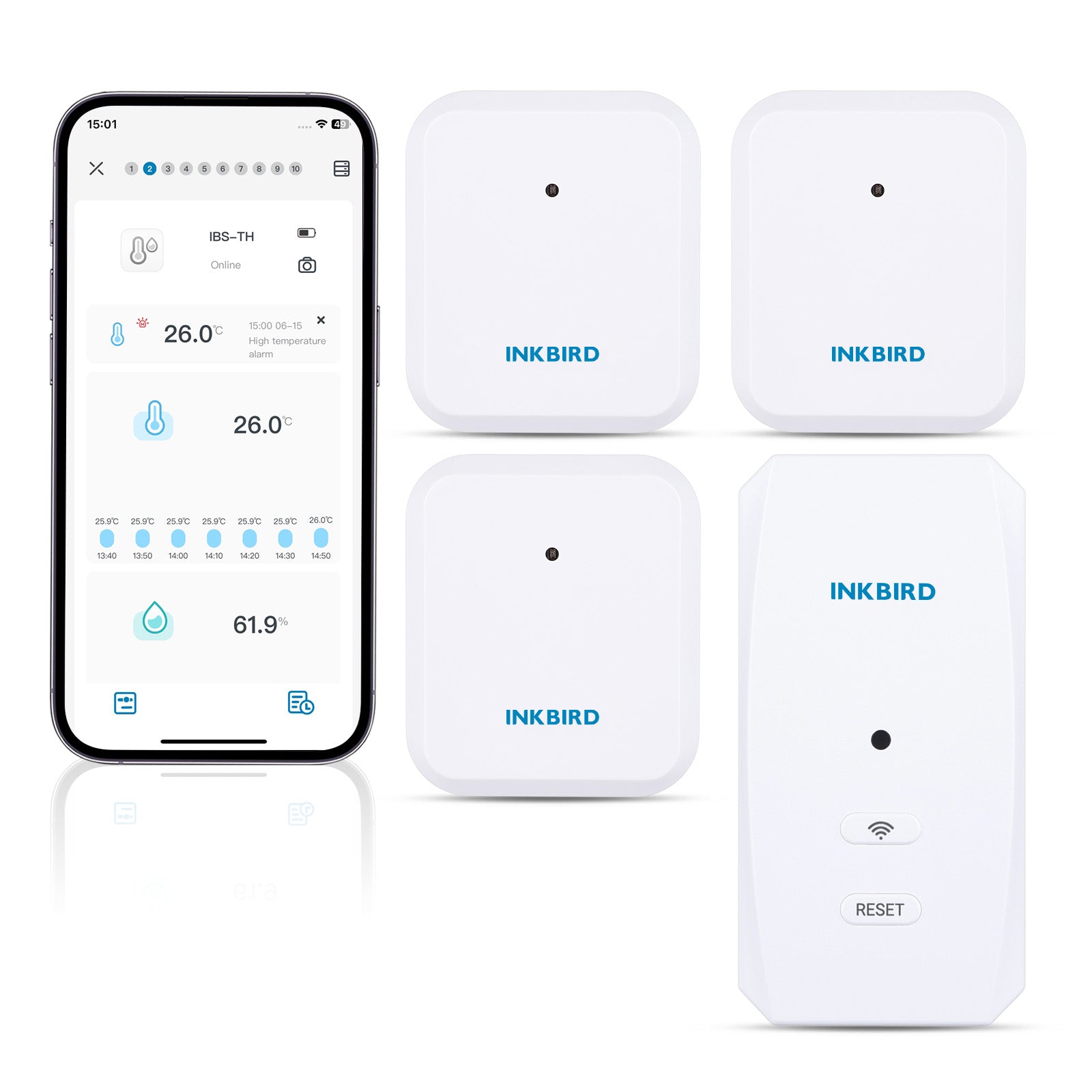
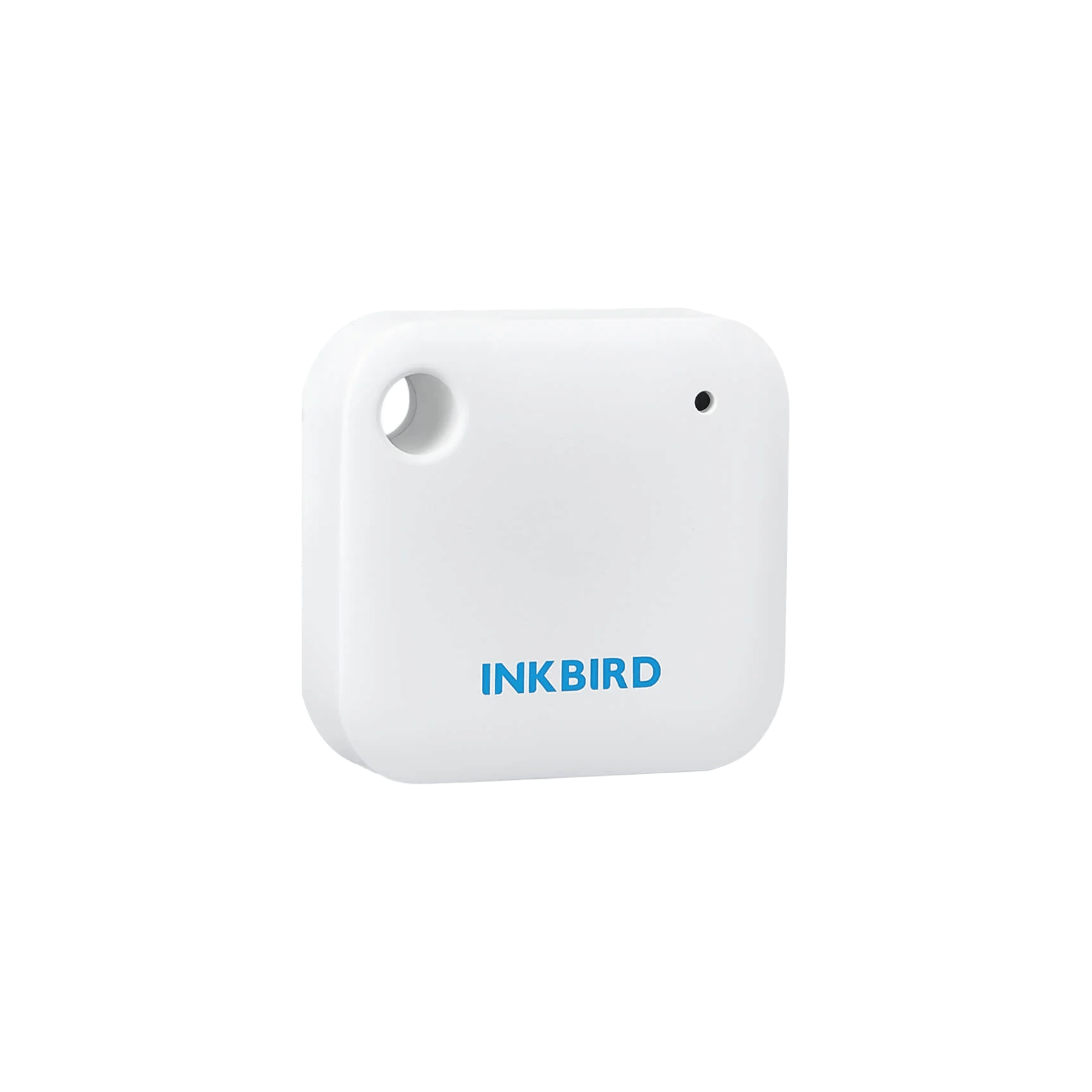
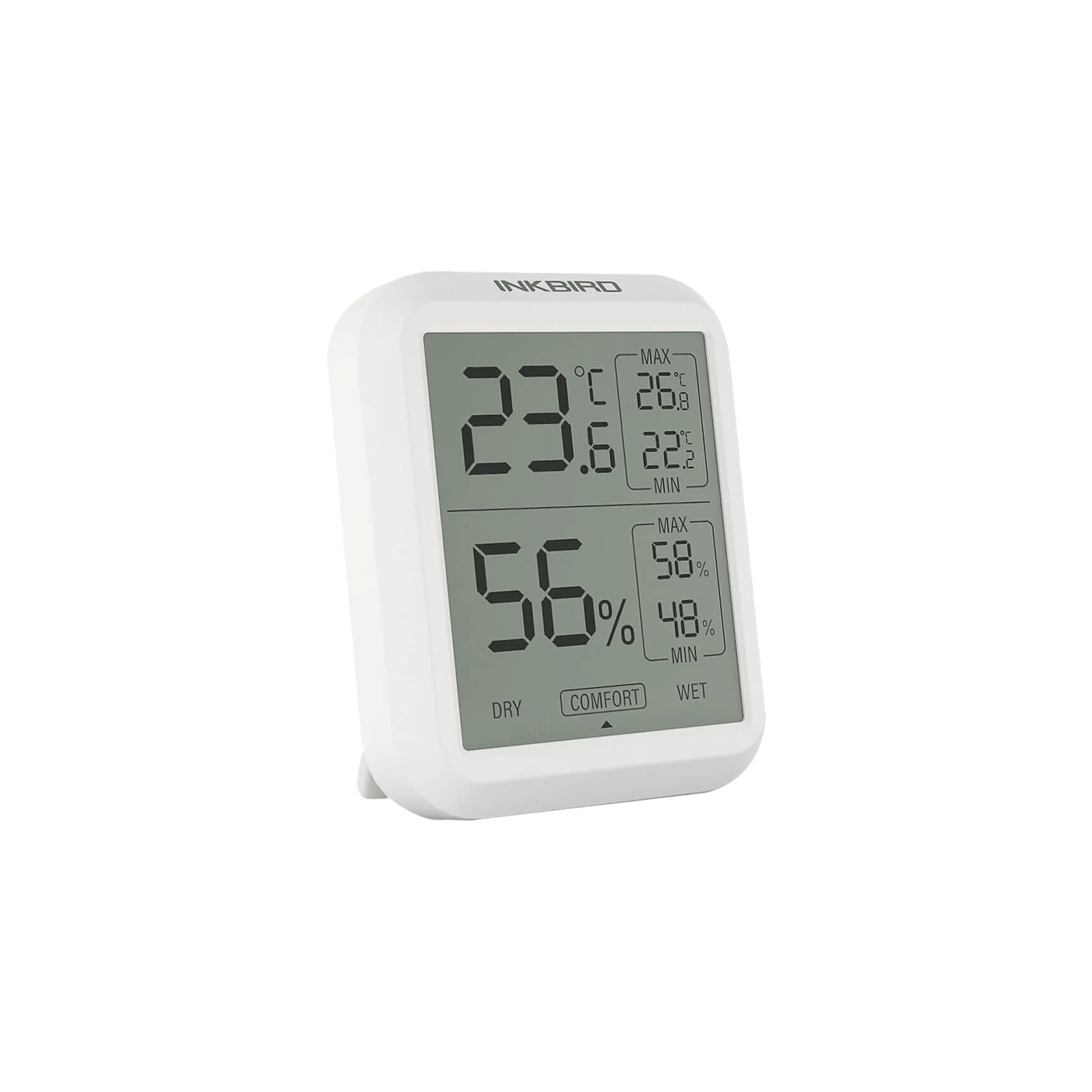
- Place multiple INKBIRD Thermometers and Hygrometers throughout your home, and activate dehumidifiers when humidity exceeds 60%.
- Keep your home well-ventilated, especially after showers are used.
- Repair leaks in pipes, fixtures, windows, and roots promptly.
- Inspect and clean HVAC and dryer ducts at least annually.
- Install a vapor barrier in basements and crawl spaces to prevent moisture buildup
- Clean mold-prone areas regularly
- Use mold-resistant materials and non-porous surfaces
FAQs
What does black mold look and smell like?
Black mold looks like slimy, dark greenish-black patches, often giving off a jet-black appearance, and smells like a strong, persistent musty odor, similar to wet socks or rotting leaves.
When to call professional black mold removal service?
Call a pro if:
- Area >10 sq. ft. (e.g., larger than 3x3 ft).
- Mold is in HVAC systems or hidden cavities (behind walls/ceilings).
- Health symptoms (coughing, headaches) persist.
- Mold returns after DIY cleaning.
- Contamination from sewage/floodwater.
Why does black mold keep returning after I kill it?
It can be due to unfixed moisture sources, porous materials not replaced, incomplete cleaning, or poor ventilation trapping humidity. However, the most common cause is excessive humidity, which is why having a thermometer and hygrometer in your home is essential.








Share: