


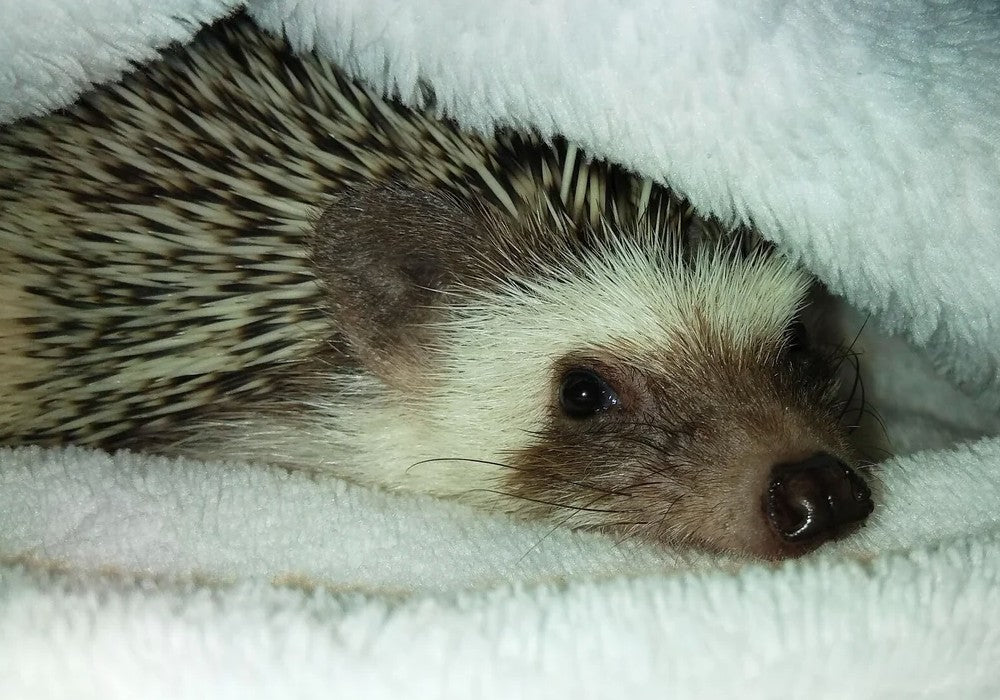
Hedgehogs are small, nocturnal mammals with spines covering their backs, yet they look shy, quiet, quirky, and cute. Seriously, if you see one in a pet store, you might be tempted to take it home. Their nature may make them wary of people, but if you bring a hedgehog from a young age and spend enough time caring for it, it can be active and playful. So, before you do this, learn how to care for a hedgehog in this guide, including cage setup, diet, health care, and more.
Are Hedgehogs Good Pets?
If you’re a night owl, patient, and detail-oriented, a hedgehog can make a good pet. They are nocturnal, which means they sleep during the day and come alive after dark. And, although they are much smaller than cats and dogs, they still need plenty of exercise and a balanced diet to stay healthy.
In a nutshell, hedgehogs may not for everyone, especially for young children under five, as they need specific care and their quills can hurt.
Hedgehog Cage Setup
Your hedgehog pet will likely spend most of its life in this cage, so you’d better do everything you can to create a comfortable and enriching environment.
Enclosure Size
A hedgehog’s home should be as big as possible, allowing your pet to roam and explore freely. But I know you’re looking for a specific size - an absolute minimum of 2 feet x 3 feet (0.6 meters x 0.9 meters) is recommended.
A large aquarium with ample ventilation holes drilled high up or a solid-bottomed plastic tub with wire mesh sides and mesh lid is a good choice. Hedgehogs like to climb, so the lid should be secure enough.

Climate Control
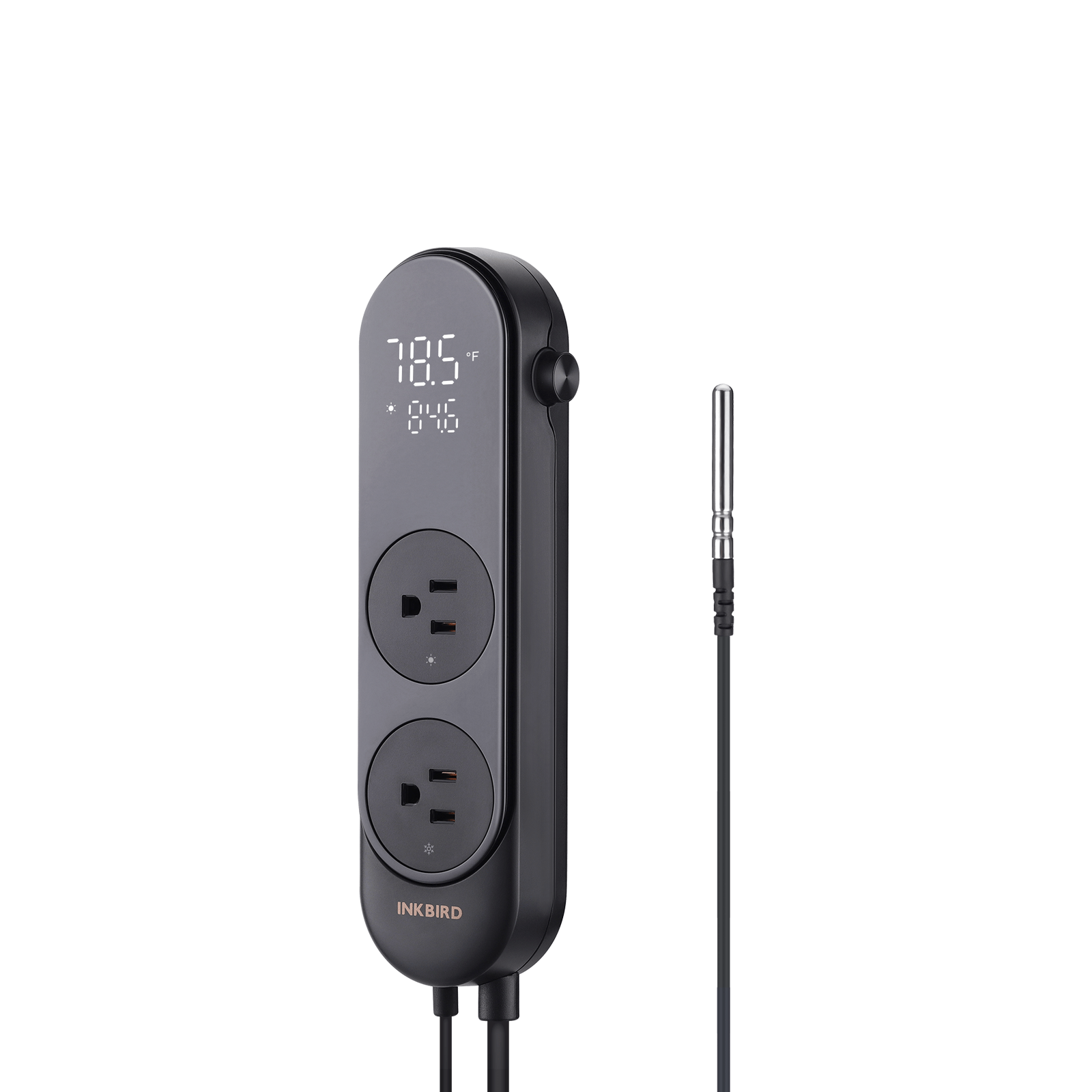
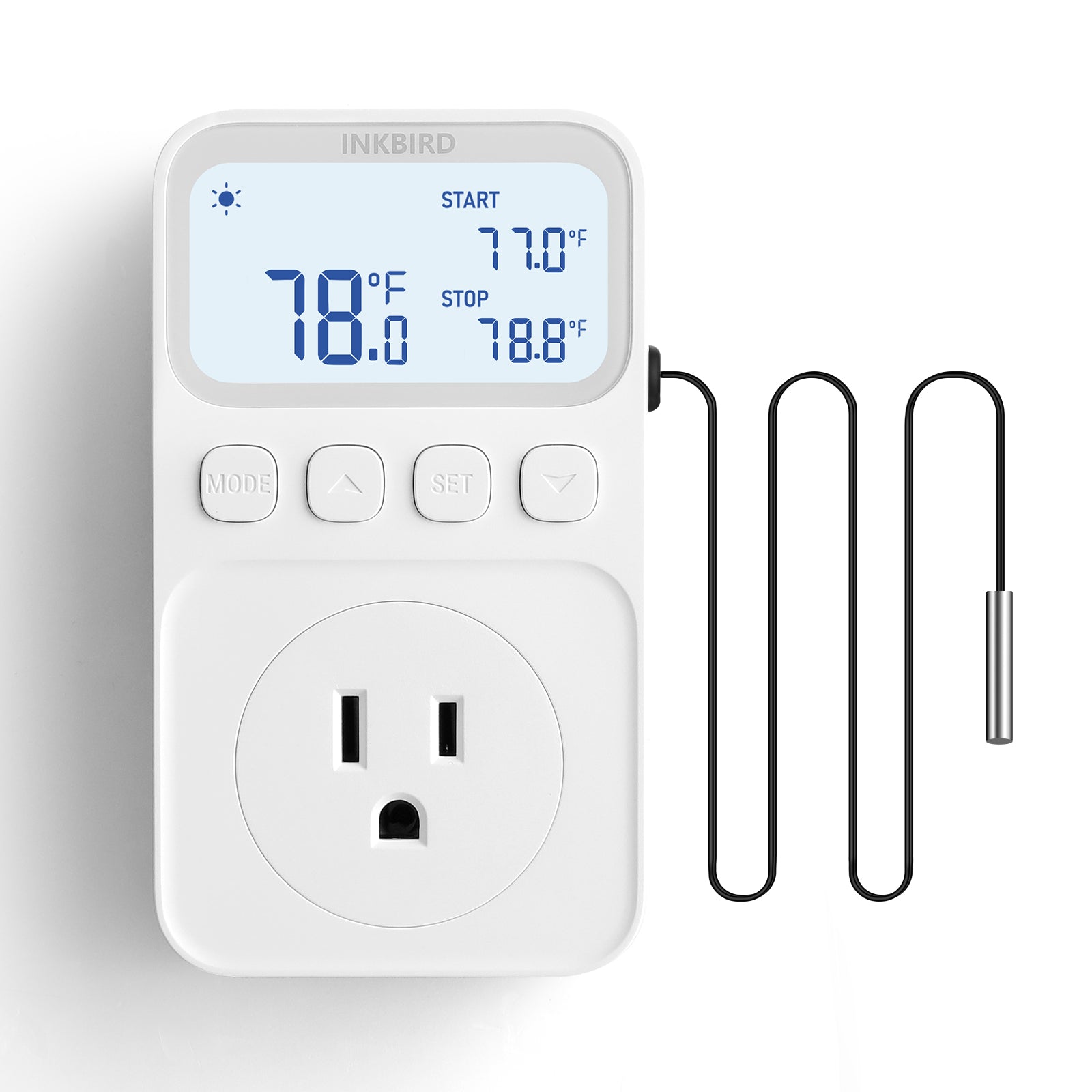
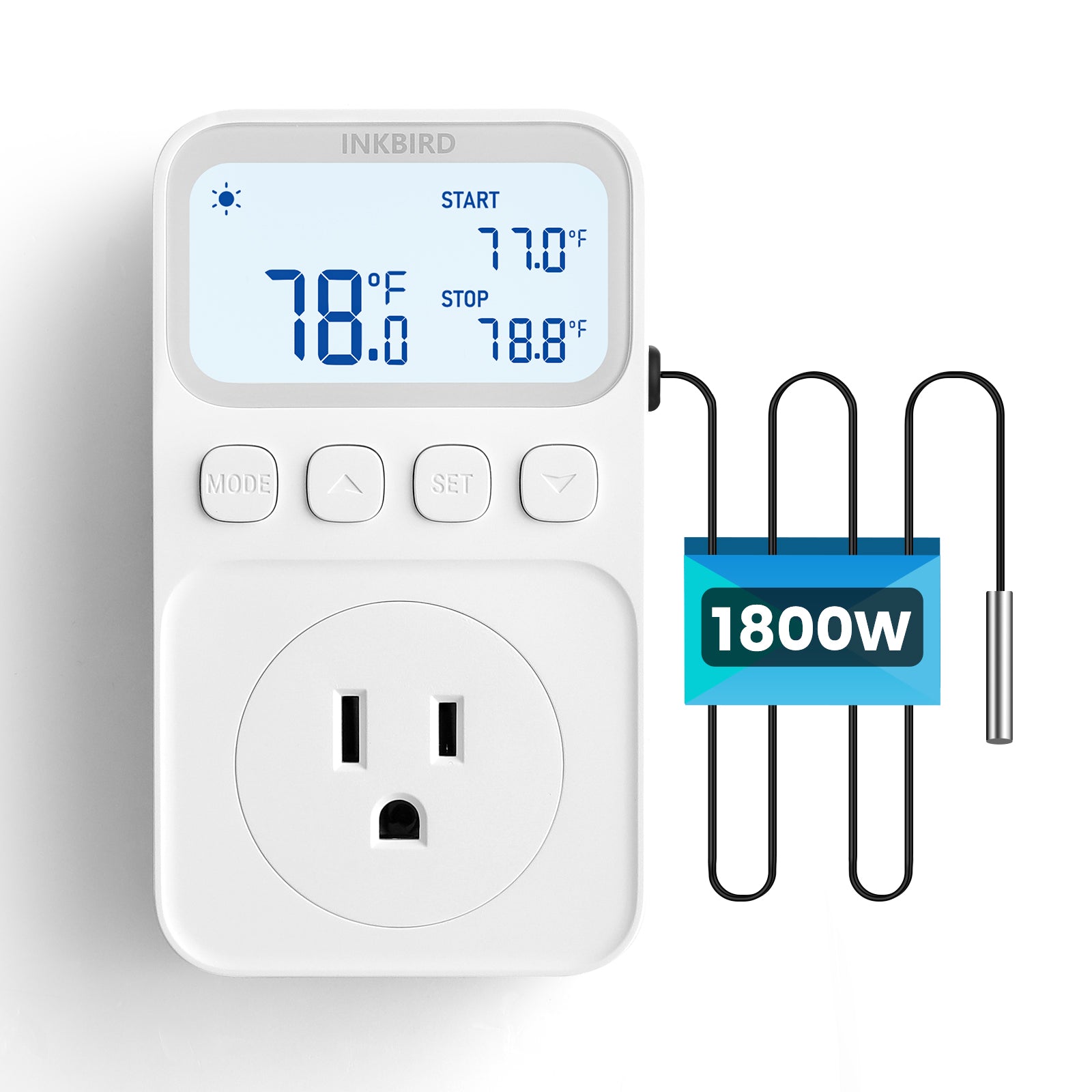
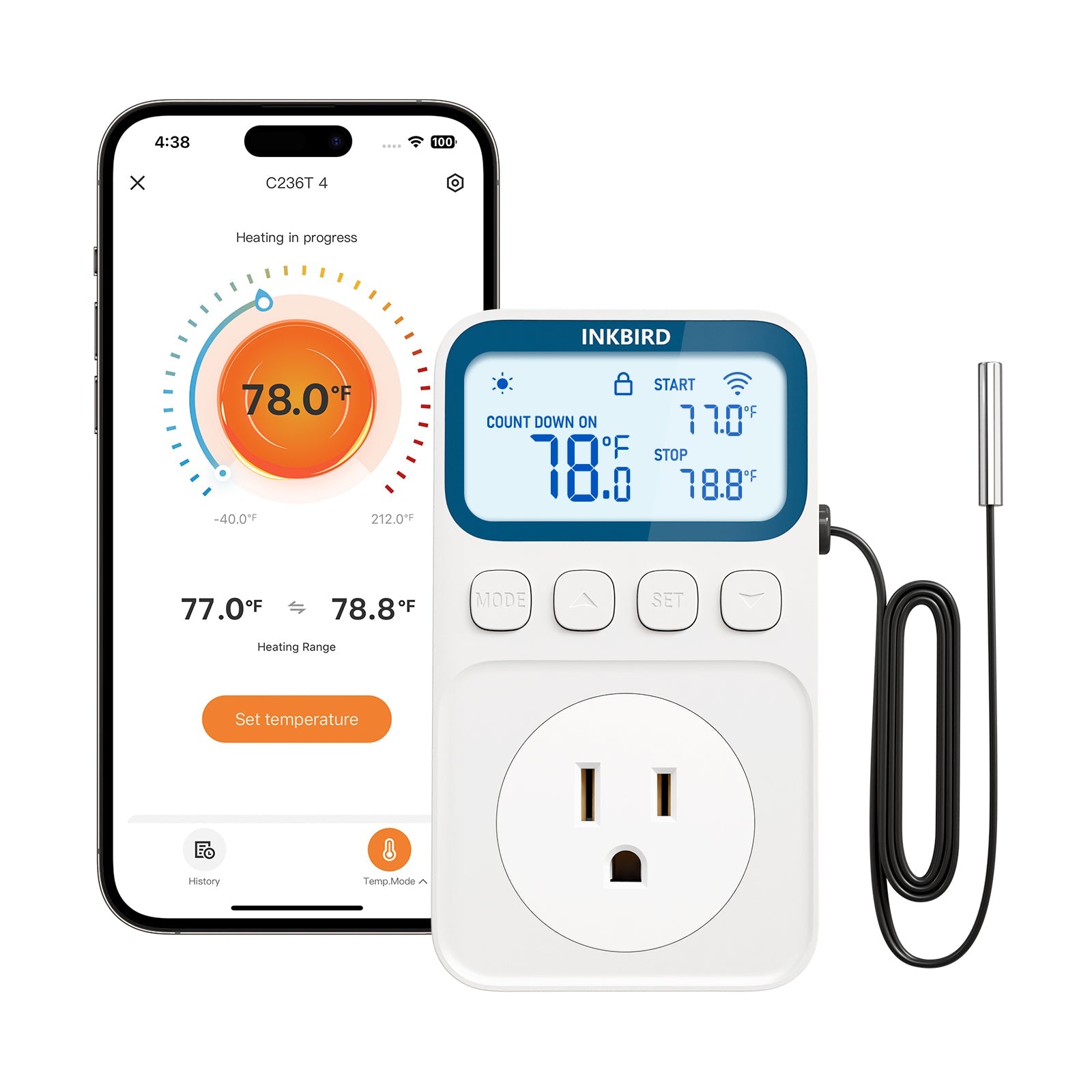
Hedgehogs are very sensitive to temperature fluctuations and are prone to hibernation if they feel too cold. They need a consistently warm environment with a temperature between 72-80°F (22-27°C). This almost always means using a ceramic heat emitter (CHE) with a temperature controller placed safely above one end of the cage, and a digital thermo-hygrometer on the cool side.
Additionally, humidity in their tank should be low, less than 40%. It’s also advisable not to keep your pet hedgehog in your bedroom since they are nocturnal and could disturb your sleep.

Bedding
Choose safe, absorbent, and easy-to-clean bedding. Fleece cage liners or pepper-based bedding is your best bet. Hedgehogs love to dig, so the thicker the bedding, the better.
Avoid using wood shavings, especially cedar and pine, as these are toxic to their respiratory systems. Additionally, avoid clay or sand, which may be ingested.
No matter what bedding you choose, make sure to clean daily to maintain a clean and healthy environment.
Hideaways
Hedgehogs are prey animals in the wild, so they instinctively seek secure places to hide and sleep. Provide at least one, preferably two, hideouts. These can be small igloos, fabric tunnels, hollow logs, or even upside-down plastic containers with an entrance cut out. This is their safe space to feel secure and rest during the day.

Exercise Wheel
An exercise wheel is just as important as other equipment! This is how you keep your pet hedgehog healthy and happy. Choose a solid-surface wheel that’s at least 12 inches in diameter. No wire or mesh to prevent foot injuries. On the other hand, if the wheel is too small, they can cause spinal problems. You’ll become accustomed to the soothing pitter-patter-thump of their nightly marathons.

Enrichment
To keep your hedgehog mentally stimulated and stave off boredom, consider offering a variety of enrichment items, such as toilet paper tubes filled with a few kibbles, small, non-toxic toys they can push around, foraging toys that dispense treats, and food bowls that make them work a little for their meals. You can also train them to use a litter box.
Hedgehog Food & Diet
Hedgehogs are omnivorous, preferring insects and occasionally small mammals and mollusks. For their health, pet hedgehogs should be fed hedgehog-specific pellet food daily, which should contain approximately 30% protein and 15% fat. Feed them about 1-2 tablespoons each evening, depending on their weight and activity level.
As occasional treats, you can offer mealworms, crickets, waxworms, Dubia roaches, pinky mice, and cooked chicken a few times a week. Additionally, feed them 1-2 teaspoons of cooked fresh fruits and vegetables every other day, such as peas, tomatoes, corn, apples, bananas, and berries.

Foods to avoid:
- Celery
- Lettuce
- Raw meat
- Raw eggs
- Nuts and seeds
- Grapes and raisins
- Avocados
- Dairy products
- Onions
- Garlic
- Citrus fruits
Hedgehog Handling
Hedgehogs are solitary animals and spend most of their time alone except during mating season, which means they aren’t exactly the cuddly type. However, if you raise a hedgehog when it’s very young and give it enough time to gradually get used being petted, it’s likely to become more receptive to being handled.
Always approach your pet hedgehog slowly and scoop from underneath, letting them unroll in your lap on a fleece blanket. Your scent and calm presence will slowly build trust. You can also schedule some time each day for it to socialize outside its cage to help it get used to being petted.
Hedgehog Health Care
Hedgehogs need yearly checkups with an exotic vet, but regular observation is your best defense against health issues. Get to know your hedgehog’s normal behavior, appetite, and droppings.
Common issues to watch for:
- Mites: Flaky skin, quill loss, and excessive scratching.
- Obesity: If they can’t ball up completely, they’re too heavy.
- Wobbly Hedgehog Syndrome (WHS): A tragic, progressive neurological disease that starts with a loss of balance.
- Dental Issues: Difficulty eating, drooling.
Trust your gut. If your hedgie is lethargic, not eating, or has a change in stool, don’t wait - call the vet.

Daily & Weekly Hedgehog Care
Daily:
- Fresh water: Ensure a full, clean water source.
- Food: Offer their main meal in the evening, as they are nocturnal.
- Spot clean: Remove any soiled bedding or dropped food.
- Observation: Briefly check on your hedgehog for any signs of distress or illness.
- Handling: A short, positive interaction.
Weekly:
- Full cage clean: Swap out all bedding and wash the cage.
- Wheel scrub: Give it a deep clean to remove debris and maintain hygiene.
- Toy cleaning: Wash any reusable toys.
- Deeper health check: More thorough observation of your hedgehog’s eyes, ears, skin, and quills.
- Grooming as needed: Only every few weeks or if visibly dirty. Use a gentle, oat-based pet shampoo in an inch of warm water. Rinse thoroughly and dry completely to prevent chills.
FAQs
Are hedgehogs rodents?
No. Hedgehogs belong to the order Eulipotyphla. The key difference is in their teeth: rodents have continuously growing incisors for gnawing, while hedgehogs have a set of sharp, pointed teeth suited for an insectivorous diet.
Do hedgehogs hibernate?
Wild hedgehogs do, but pet hedgehogs should not. In the wild, they are true hibernators, entering a state of torpor from roughly October or November to March or April. In captivity, hibernation attempts are dangerous and a sign of an emergency, usually caused by the cage being too cold.
How long do hedgehogs live?
With proper care, pet hedgehogs live an average of 4-6 years, though many live 8-10 years. In contrast, wild hedgehogs typically live 2-4 years due to predators, disease, and environmental challenges.
Do hedgehogs smell bad?
Not inherently. A healthy hedgehog itself has very little odor. Any noticeable smell usually comes from its environment and is manageable with proper care.
How much does a hedgehog cost?
A hedgehog typically costs $150 to $250 to purchase, depending on color and lineage. The essential starter setup like cage, heat source, wheel adds another $200 to $300.










Share: