


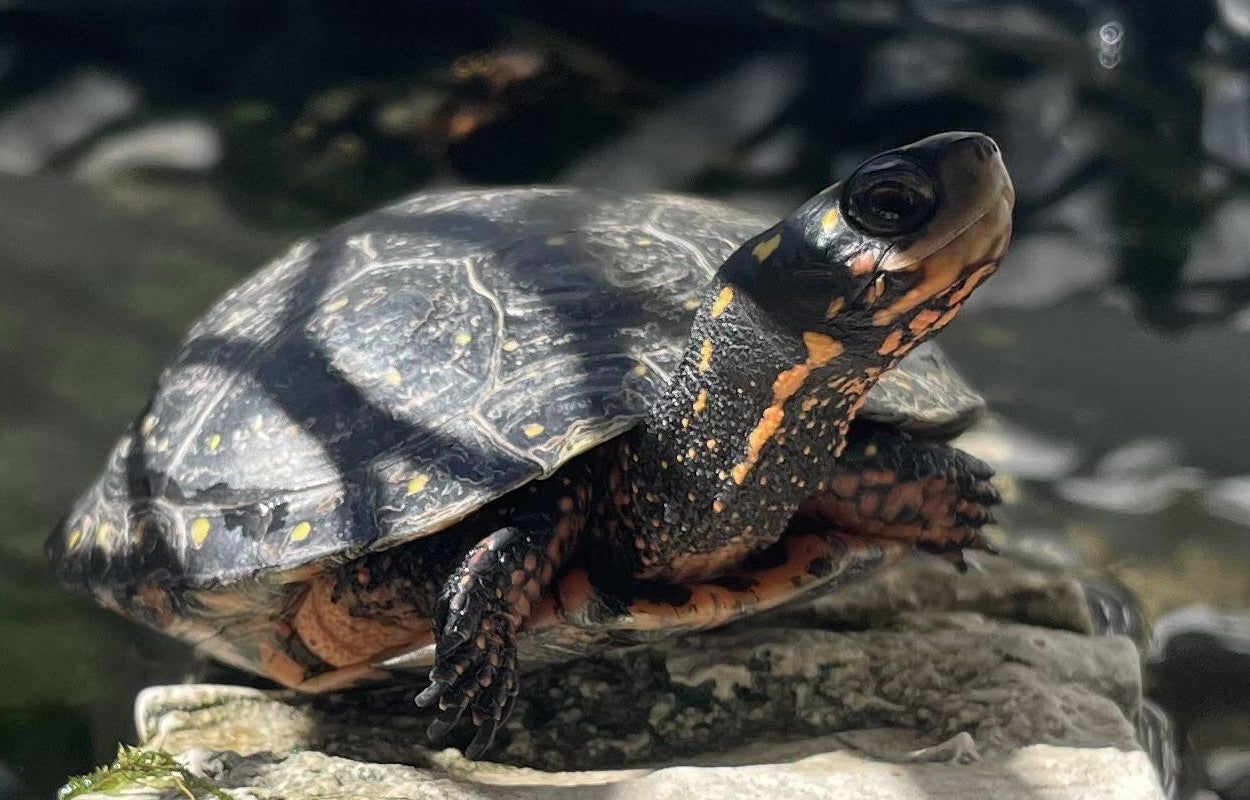
Aquatic turtles are very popular pets with various species. Common ones on the pet market include red-eared sliders, painted turtles, map turtles, musk turtles, and spotted turtles. These turtles can live for decades if given the proper care, but they do require a commitment. Before bringing one home, you should always understand their natural behaviors, the appropriate tank setup, and daily maintenance. If you’re considering keeping an aquatic turtle, keep reading this care guide to discover how to provide a healthy and comfortable habitat for your new pet.
Common Types of Pet Turtles
First things first, a key point is that the most popular pet “aquatic” turtles are actually semi-aquatic, which means they need both a large swimming area and a completely dry basking spot. Those “fully” aquatic turtles, such as softshells and meta-matas, on the other hand, spend nearly all their time in water. This care guide focuses on semi-aquatic turtles, and the main species include:
- Red-Eared Slider: Highly active, recognizable by red ear marks. Grows large, about 10-12+ inches. Requires a very large tank and powerful filter.
- Painted Turtle: Vibrant shell and skin markings, often shy. Needs a well-planted setup. Prefers slightly cooler water temperatures.
- Musk Turtle: Fully aquatic, small, about 3-5 inches, walks more than swims. Rarely basks, and can emit a musky odor when stressed. Ideal for smaller tanks.
- Map Turtle: Intricate, map-like shell patterns. Dramatic size difference between sexes. Often sensitive to water quality.
While the fundamental requirements of caring aquatic turtles are similar, you should still familiarize yourself with the specific care and feeding details for each type before purchasing.
RELATED: Russian Tortoise Care Guide

Pet Aquatic Turtle Lifespan
On average, with proper care, aquatic turtles can live 20-50 years, and may even outlive you, depending on the species. For example:
- Red-eared sliders can live 15-30 years
- Painted turtles can live 25-50 years
- Map turtles can live 15-25 years
- Musk turtles can live 30-50 years
- Spotted turtles can live over 50, even 100 years
However, in the wild, their lifespan is significantly shorter due to predators and food scarcity. In captivity, though, their health is 100% in your hands. Providing a comfortable housing, a nutritious diet, clean water, and suitable temperature and lighting is essential to their longevity.

Pet Aquatic Turtle Tank Setup
An aquatic turtle tank is more than just a water container, but it’s a complete, balanced ecosystem. Cutting corners here is the fastest way to sick your turtle.
Tank Size
Size matters when choosing a tank for your aquatic turtle. Ideally, it should be at least four times the length of the turtle’s body to provide them with enough room to swim and explore. If you have multiple turtles, each one should have a space that is five times its body length.
Another way to determine the tank size is to allocate 10 gallons of water for every inch of the shell length. Since it’s illegal to sell turtles under 4 inches in the United States, a 40-gallon tank is the minimum starting capacity. For adult red-eared sliders, you may even need a 100 to 120-gallon tank.
Additionally, make sure your tank is sturdy enough, capable of holding water and weight of all the decorations. A leak-proof glass aquarium is the best.

Filtration
This is one of the most important aspects of aquatic turtle health, as they eat, sleep, and excrete in the water. Unclean water can quickly lead to shell infections and even death. Even if they recover from such conditions, they may be left with permanent psychological trauma.
Therefore, a filter is not a luxury, but a necessity for survival. I always recommend getting a filter rated for at least 2-3 times the volume of your tank.
A high-quality canister filter that offers mechanical, biological, and chemical filtration is your best bet. But remember that regular partial water changes (25-50%) are still necessary, even if the water looks clean.
Heating
Aquatic turtles are cold-blooded, meaning they rely on external heat sources to maintain their body temperature, digest food, and fend off illnesses. Most aquatic turtles do well in water temperature between 72-82°F (22-28°C), though different species may have slightly different preference.
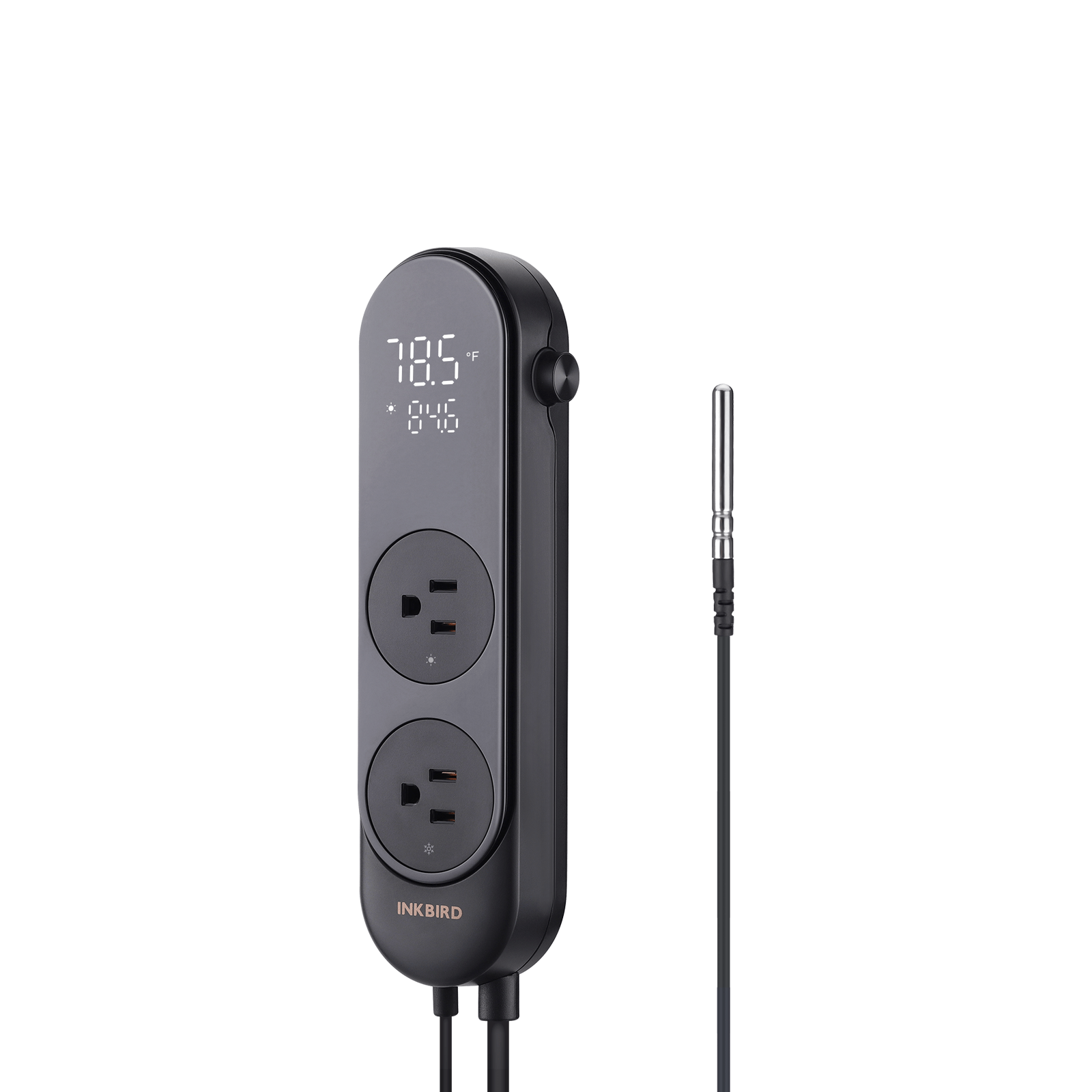
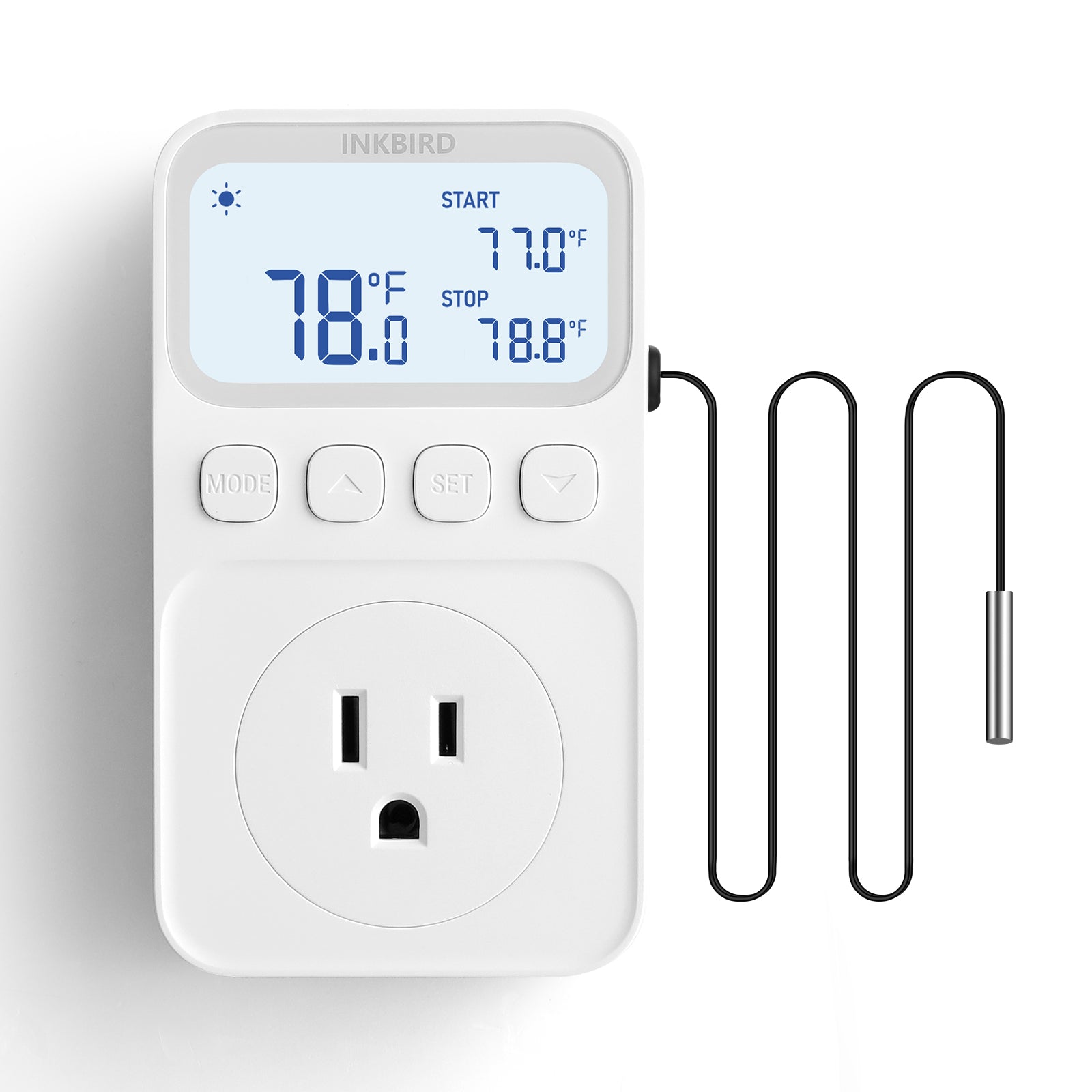
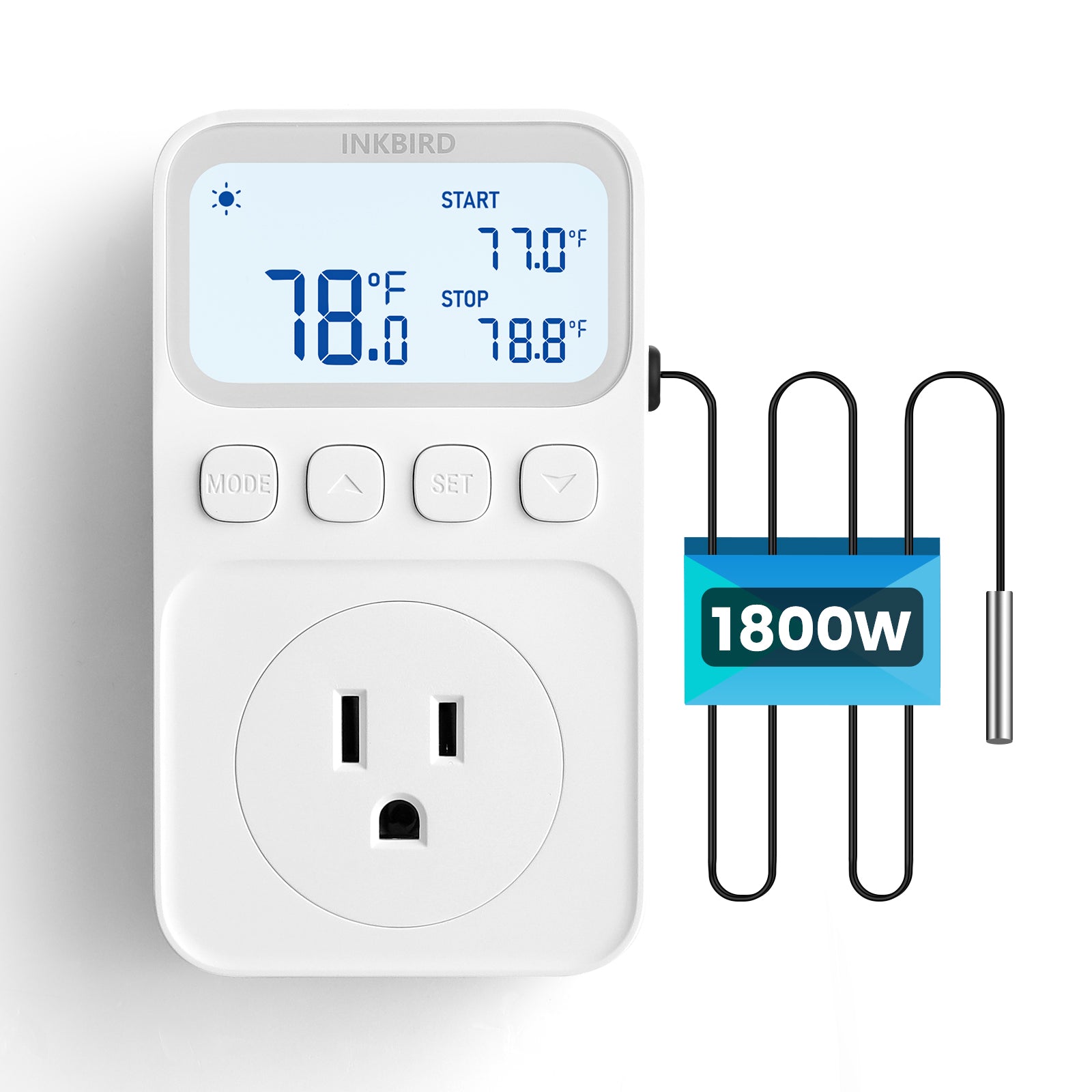
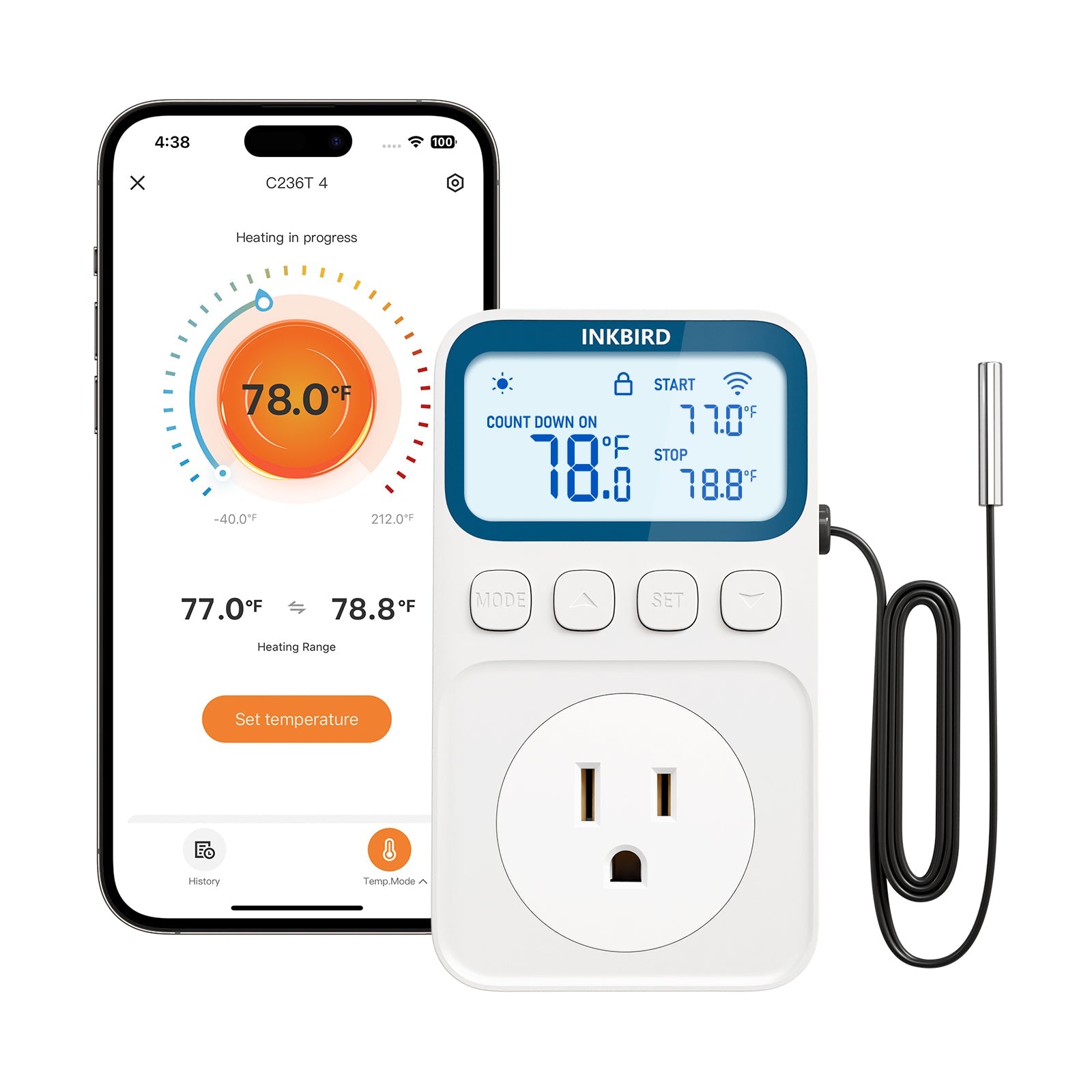
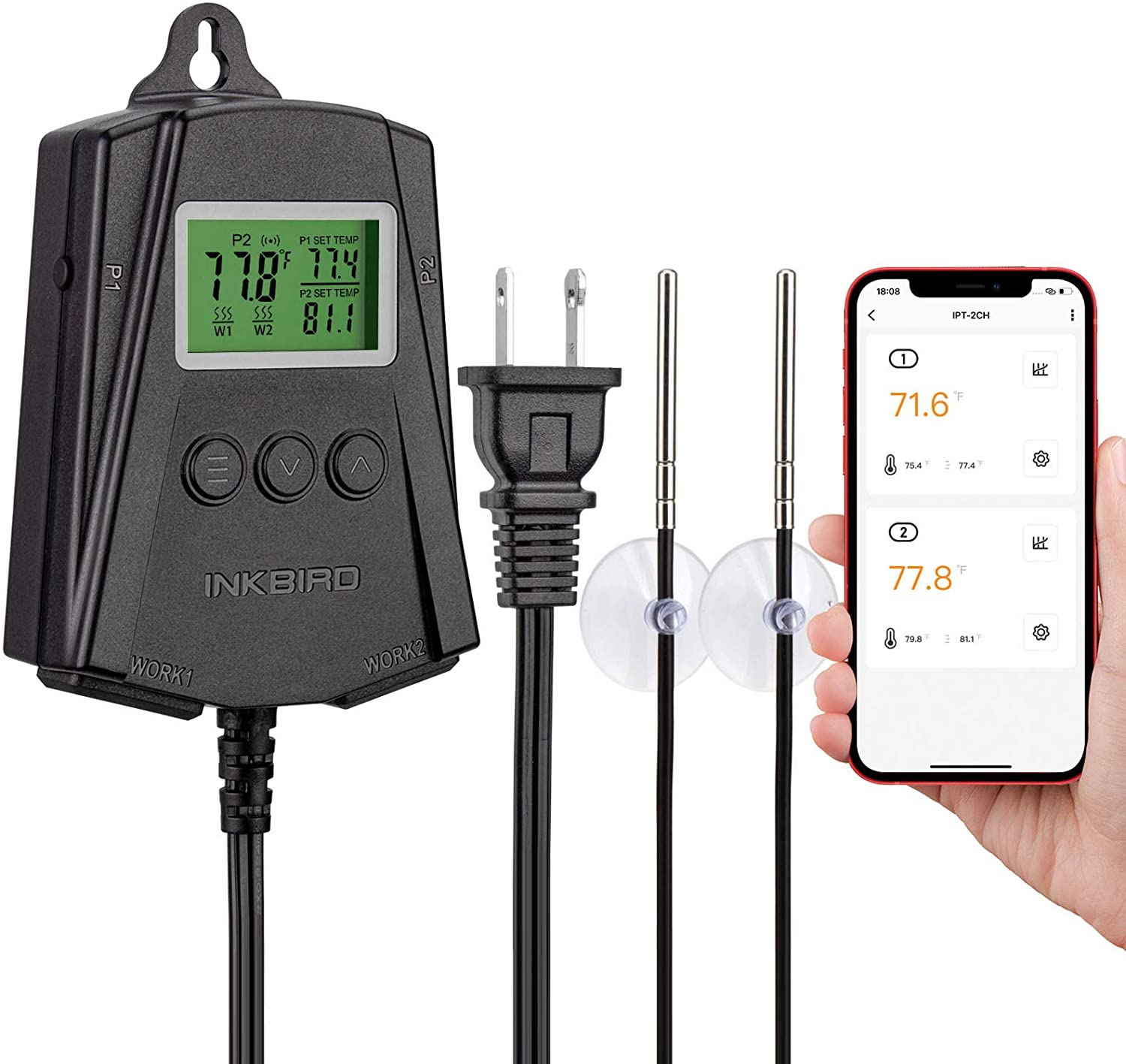
Using a submersible aquarium heater is the best way to achieve this, and pairing it with an INKBIRD Temperature Controller can help keep the water consistently warm. I use the model ITC-306A. Plus, install a heater cover to protect your turtles from accidental burns.

Basking Area
Aquatic turtles are amphibians, so you’ll also need to provide a completely dry area where your pet can climb out and bask. This platform can be made of any material, such as a stack of large, stable rocks, or floating wood , but it must be sturdy enough and allow the turtle to be fully out of the water.
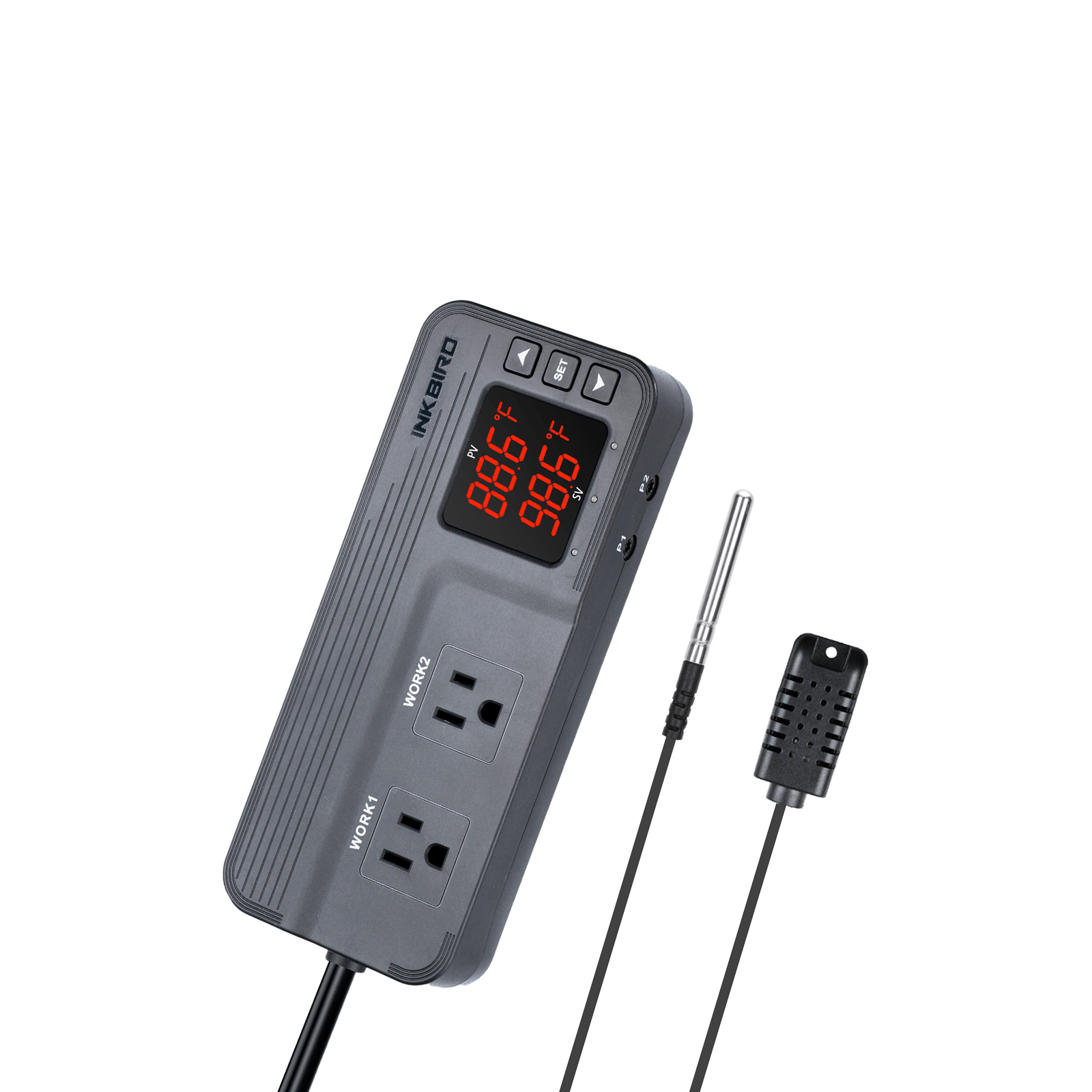
The temperature for this area should be maintained at 85-95°F (29.4-35°C) using a heat lamp or basking light. Similarly, connect the heater to the INKBIRD Temperature Controller mentioned earlier, which features dual-output relays that keep stable temperatures in both the basking and aquatic zones, making it perfect for reptiles.

Lighting
Heat lamp does not produce UVB rays, so you’ll need an additional UVB light to help your pet turtle synthesize vitamin D3 and prevent metabolic bone disease. You need a dedicated 10.0 UVB bulb, placed within 12-18 inches of the basking area, running for 10-12 hours a day. Replace it every 6 months even if it still works, as the UV output diminishes over time. What’s more, there should be no plastic or glass between the UVB bulb and the animal. You can use a mesh screen.
Substrate & Decor
For semi-aquatic turtles, a bare tank bottom works well. If you want to make it look more like its natural habitat, you can use large river rocks or slate. Small pebbles or sand can be ingested and cause intestinal blockages.
In addition, you can add some turtle-safe plants like duckweed, anacharis or water lettuce for decoration. Avoid using small plastic items that your pet might chew and swallow.

Pet Aquatic Turtle Food & Diet
Aquatic turtles are omnivorous and eat both proteins and vegetables. In my experience, juvenile turtles under 2 years old are mostly carnivorous and need more protein for growth. I feed them high-quality pellet daily. However, their needs change as they grow, shifting to more plant-based - an adult’s diet should consist of over 50% plant, with feeding them every 2-3 days.
Always feed them in the water instead of on the basking area. After a few hours of feeding, you should scoop out any leftovers to maintain water quality and prevent overfeeding.
For vegetables, I stick to dark, leafy greens like romaine, dandelion greens, collard greens, and mustard greens. Avoid cabbage - it is basically water and no nutrition. I also treat them with shredded carrot, bell pepper, and the occasional fruit like melon or berries.
As for protein, alongside pellets, I like to offer some occasional live prey like feeder fish, earthworms, or crickets for stimulation. Never feed raw meat from the grocery store or processed human foods like hot dogs.
To ensure they get enough calcium, dust their food with a calcium supplement 2-3 times a week, and a multivitamin once a week. A cuttlebone left in the tank is a great way for them to self-regulate calcium intake.

Common Health Problems
Even well-cared-for aquatic turtles can get sick, and fortunately, most health problems are preventable. Here are the most common ailments I've seen and what you can do.
|
Problem |
Symptoms |
Main Cause |
Action |
|
Shell Rot |
Soft, white, or smelly patches on the shell. |
Constantly dirty water or poor basking area. |
Improve water quality. Ensure dry basking. See a vet for antibiotics. |
|
Metabolic Bone Disease |
Soft or deformed shell. Lethargy. |
Lack of proper UVB light and calcium. |
Install a UVB bulb immediately. Vet visit needed. |
|
Respiratory Infection |
Wheezing, bubbles from nose, lopsided swimming. |
Incorrect water or basking temperatures. |
Requires urgent veterinary care for antibiotics. |
|
Vitamin A Deficiency |
Swollen, closed eyelids. Loss of appetite. |
Long-term poor diet, such as only lettuce. |
Improve diet with vitamin-rich greens and pellets. Vet may give an injection. |
FAQs
Can I keep my pet aquatic turtle in an outdoor pond?
Yes, but it depends. An outdoor pond can be a great habitat for species adapted to your local climate, like the Western pond turtle. It should be enclosed with a secure, fenced area to keep out predators and prevent escape. Plus, the pond needs a clean water source and a dry, sunny basking spot. However, it’s generally not suitable for tropical species or very small turtles.
How often should I clean my aquatic turtle tank?
Clean in two days. Do partial water changes (25-50%) weekly or whenever the water looks dirty. A full, deep clean where you scrub the entire tank is usually only needed once or twice a year, as it can disrupt the healthy bacterial balance of the tank.
Why is my turtle not basking?
There could be a few reasons:
- The temperature is wrong: The basking area surface needs to be warm, around 85-95°F (29.4-35°C).
- It doesn’t feel safe: The platform might be too exposed or unstable.
- It’s sick: Lethargy and refusing to bask are common illness signs.
- The lights are too bright or harsh: Ensure the heat lamp isn’t causing discomfort.
Can I keep two turtles together?
It’s risky and often not recommended. Turtles are not social and can be aggressive, especially when you house males together or when there is a big size difference. If you attempt it, the tank must be very large with multiple hiding spots and basking areas, and you must be prepared to separate them at the first sign of fighting.








Delen: