


Spring finally arrives. The days get longer, flowers start blooming, and for millions of people, the sneezing starts too. You walk inside after being out for five minutes and your nose won't stop running. Or you wake up congested even though you kept the windows shut all night.
Before you blame the pretty flowers outside your window, it helps to understand what you're actually dealing with. Here's what you need to know about spring pollen, from what it is to how you can detect it before it starts causing problems indoors.
What is Pollen?
Pollen is basically the male DNA of the plant world. Plants produce this fine powder to fertilize other plants of the same species. Without it, there would be no seeds, no fruits, and no new growth each year.
Each pollen grain is built to survive a journey. It wears an outer shell so tough it resists decay, acids, and even intense heat. This durability explains why pollen can linger in your home long after it first drifts inside.
Size matters. Most pollen grains range from 15 to 100 microns in size. A single pinch holds thousands. When you think about how many trees, grasses, and weeds surround your home, it becomes easier to understand how pollen finds its way into every room.

What Does Pollen Look Like?
If you've ever seen a fine yellow dust covering your car or patio furniture, you've seen pollen. But individual grains look nothing like that uniform yellow powder.
Under a microscope, pollen grains take on shapes. Some are spherical, others oval or disc-shaped. The surfaces range from smooth to spiked, grooved to meshed. Pine pollen grains have tiny air sacs attached, helping them float on the wind like little balloons.
For allergy sufferers, the visible yellow dust on outdoor surfaces means invisible trouble. When you can see pollen settling on surfaces, the stuff floating around is far more numerous.

When Does Pollen Season Start and End?
Spring pollen season follows a predictable pattern, though the exact timing depends on where you live and what grows there.
Tree pollen arrives first. In many parts of North America, trees start releasing pollen as early as late January in coastal areas and keep going through June up north. Alder, birch, maple, oak, and poplar are the usual culprits.
Grass pollen takes over in late spring, running from May through July. Weed pollen, including ragweed, waits until late summer and fall.
The season ends with the first hard freeze. Once temperatures drop low enough to kill back plants, pollen production stops until the next year.
Here's something worth noting. Pollen seasons are getting longer. Research shows that pollen seasons now start earlier and last longer than they did decades ago. In Minneapolis, the season length increased by nearly two days per year over the study period. And in Saskatoon, the end date pushed later by about half a day each year.
Longer seasons mean more pollen exposure and more opportunities for it to pile up inside your home.

Is Everyone Allergic to Pollen?
No. Only about one in four people have true pollen allergies, according to research. For them, their immune system mistakenly identifies pollen as an invader and releases histamines, which cause sneezing, a runny nose, itchy eyes, and congestion.
Genetics matter here. If neither parent has allergies, a child’s chance sits below 20 percent. But one allergic parent pushes it to 45 percent, and two allergic parents raise it to 80 percent.
Modern living might take things worse. Some researchers think our sanitized, indoor lifestyles leave immune systems under-stimulated and more likely to overreact. Also, less time outside means less vitamin D and less exposure to microorganisms that might offer protection.
Here is the thing though. Even without allergies, high pollen concentrations can still irritate anyone. Your body sees these particles as foreign material and may cough or sneeze to clear them out, whether you're allergic or not.
RELATED: Cold vs. Flu vs. COVID vs. RSV

How to Detect Pollen in Your Home?
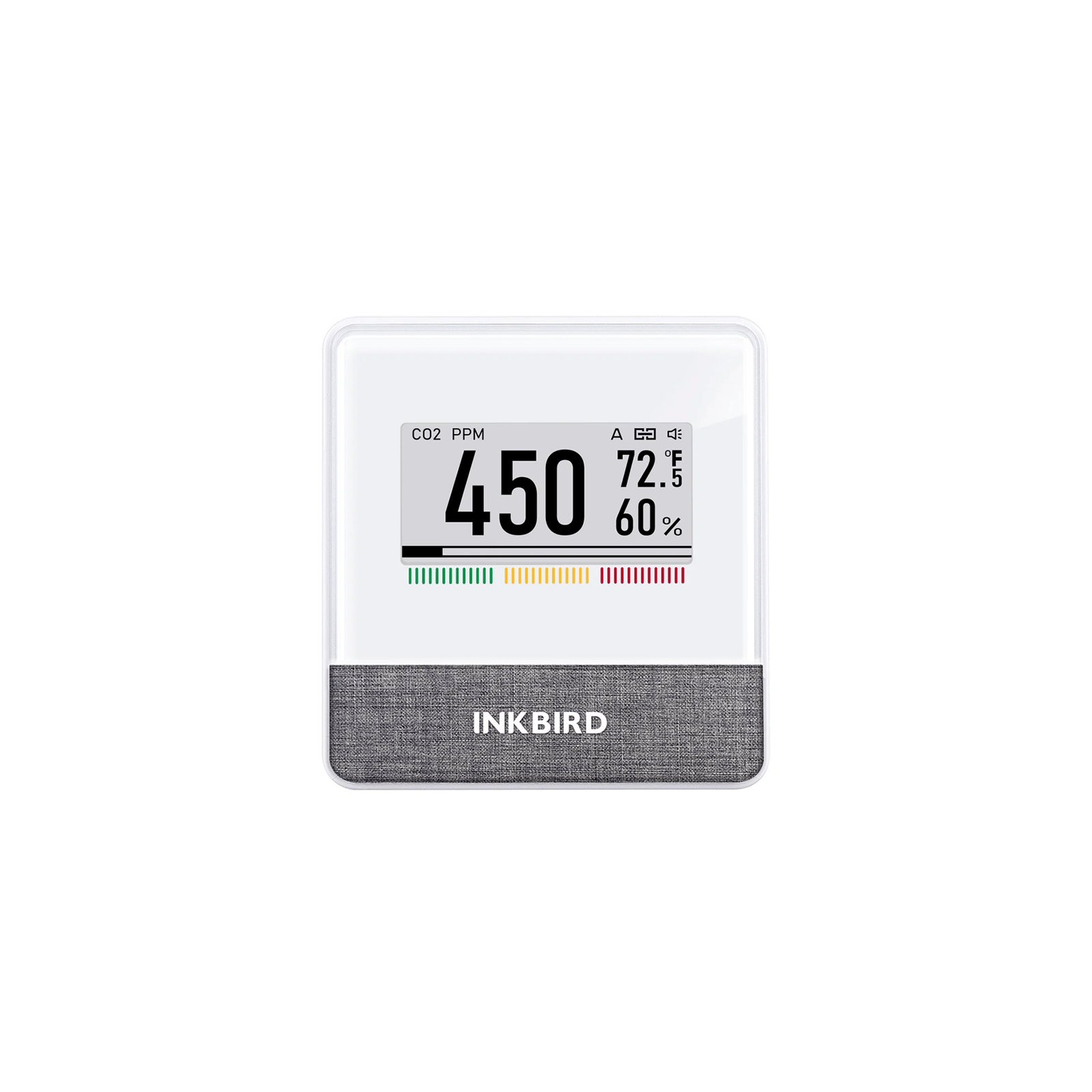
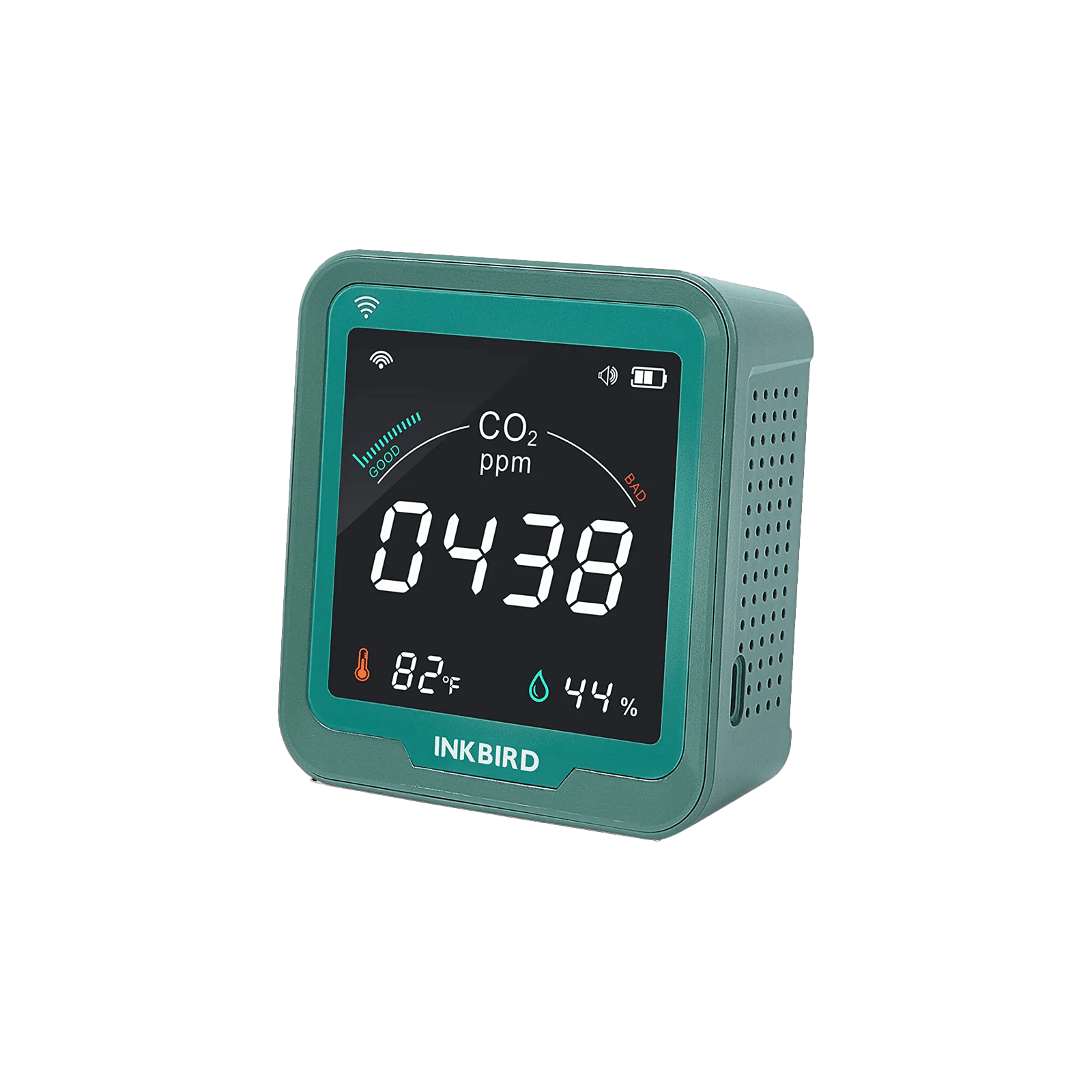
Pollen doesn't respect your door frame. It rides in on your clothes, your hair, your pets, and the air itself every time you open a door. By the time you feel symptoms, the pollen has already arrived and settled into your carpets, upholstery, and bedding. You need an air quality monitor to see what is floating around.

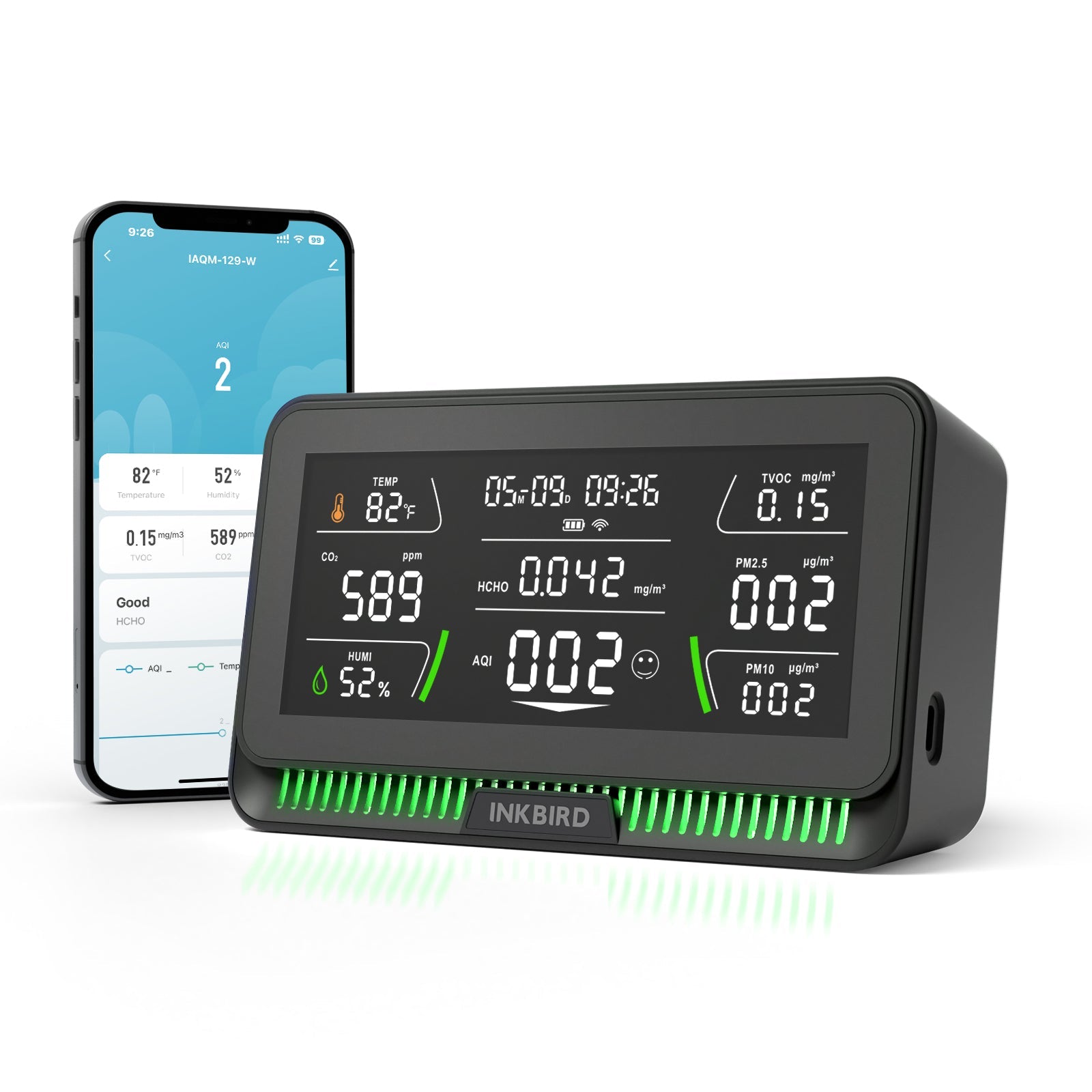
PM10 catches the big stuff. These sensors track larger particles, including most intact pollen grains. When you see your PM10 levels spike in the evening, it often means pollen was tracked inside during the day and has become airborne again through normal activity.
PM2.5 catches the fragments. Humidity or rain can rupture pollen into smaller pieces that go deeper into the lungs. This explain why your symptoms worsen on humid spring mornings even when the visible pollen count seems low.
AQI pulls it all together. When you notice the AQI rising inside your home during spring and you cannot find another cause, pollen is a likely reason.
TVOC detects the smell of spring. These VOCs drift indoors and can cause headaches or fatigue that mimic allergy symptoms. If your TVOC readings climb on spring afternoons, you're detecting the chemical signature of the season.
How to Stop Pollen Allergy Symptoms Indoors?
Once you know pollen is present, you can do something about it. The goal is to reduce your exposure without sealing yourself into a stuffy box.
Start with your body. After time outdoors, change your clothes and take a shower. Pollen clings to fabric and hair. If you sit on the couch or climb into bed without washing, you transfer that pollen directly to your living spaces. One doctor puts it simply: if you go to bed without showering, you're going to be sleeping with those irritants all night.
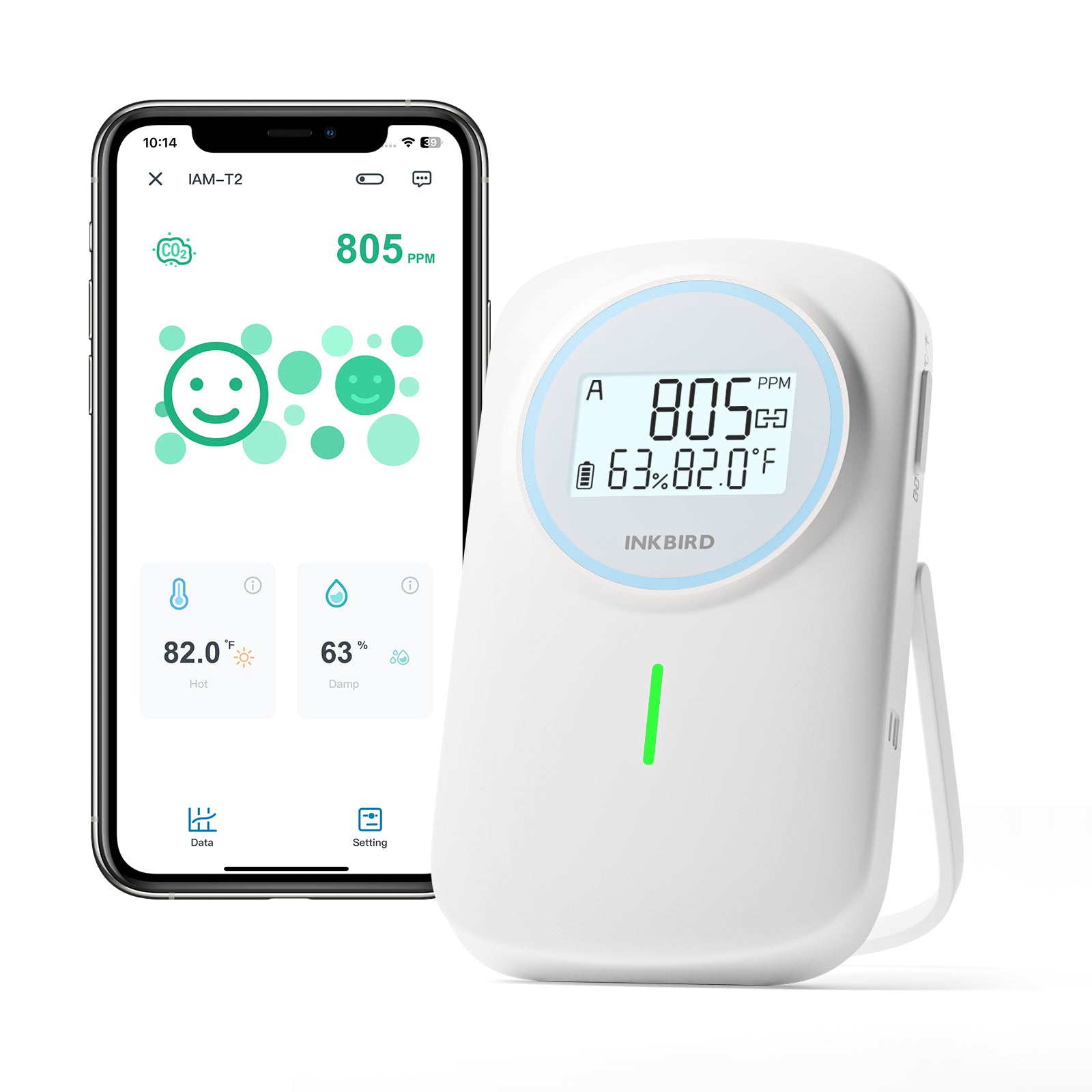
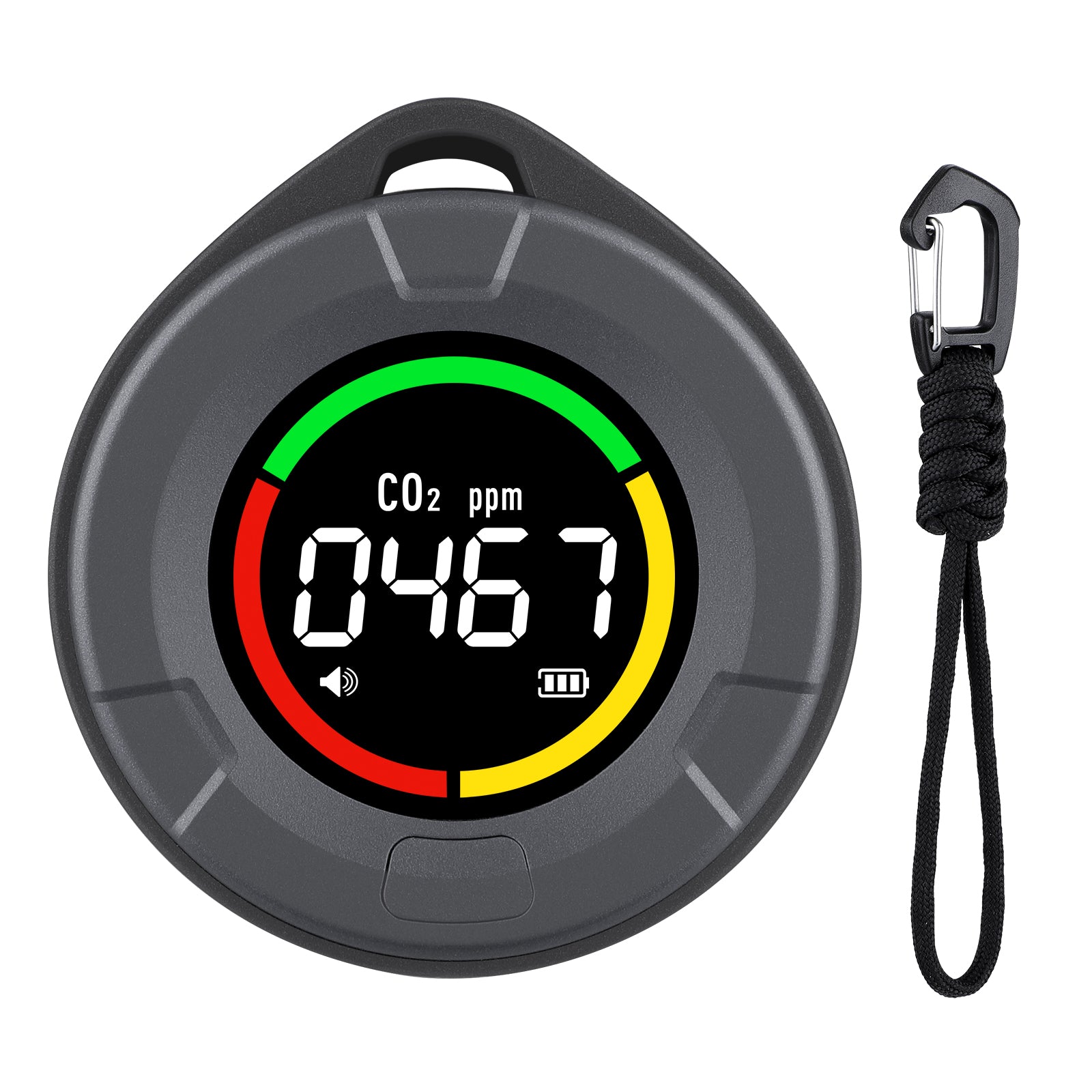
Manage your entry points. Keep windows closed on high pollen days, particularly in the morning when pollen levels peak. When you do open windows for fresh air, check your monitor's CO2 reading first. A few minutes of ventilation when pollen counts are lower - often after rain or in the evening - can refresh your air without inviting a pollen invasion.

Use your monitor to time your cleaning. When you see PM10 levels rise in specific rooms, vacuum those areas with a HEPA-filtered vacuum. Dust with damp cloths rather than dry dusting, which just launches particles back into the air.
Consider an air purifier with a HEPA filter in bedrooms and living areas where you spend the most time. Position it where your monitor shows the highest particle counts.
Rinse your sinuses with saline irrigation if symptoms persist. A Neti pot or saline rinse bottle can flush pollen from your nasal passages before your body mounts a full inflammatory response. Use distilled or boiled water that has cooled to avoid introducing any harmful organisms.
Talk to your doctor if home measures aren't enough. Prescription nasal sprays containing cortisone can dampen the inflammatory reaction in your nasal passages. For severe cases, allergy shots or oral drops may retrain your immune system over time.
RELATED: How to Reduce Indoor Air Pollution?
The bottom line is this. You cannot control what blooms outside your windows. But you can control your indoor environment. By detecting pollen early with an air quality monitor and taking targeted action, you reduce your exposure and your symptoms. The goal isn't a pollen-free home—that's nearly impossible in spring. The goal is knowing what's in your air so you can breathe easier where it matters most.



Megosztás: