


|
Prep |
Room Temp Rest |
Bake |
Oven Rest |
Chill |
Total |
|
20 minutes |
2 hours |
50 minutes |
1 hour |
8 hours |
12 hours and 10 minutes |
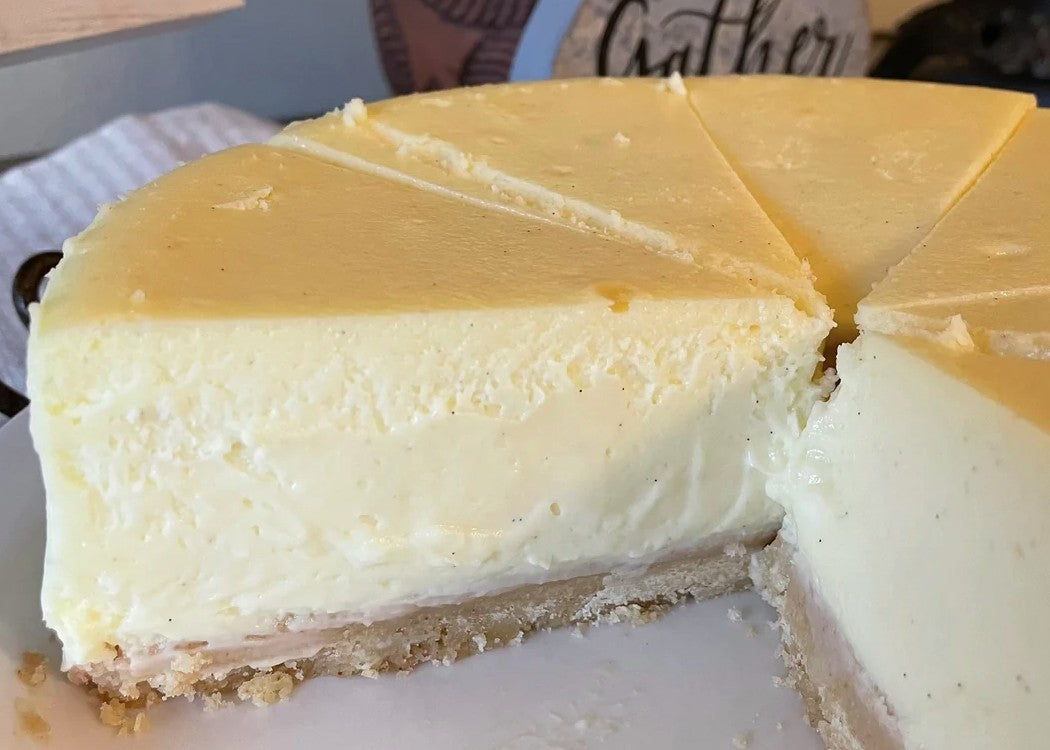
Cheesecake has a reputation. Walk into any bakery, and there it sits, golden and smooth, somehow flawless. It looks like something that requires special equipment or a pastry degree. The kind of dessert you admire but never attempt at home. Here is the truth. A truly great homemade cheesecake is absolutely within reach. No water bath wrestling. No cracked surfaces. No sinking centers. Just a tall, creamy, bakery-worthy cheesecake that slices cleanly and tastes even better than it looks. This cheesecake recipe is the one that proves it.
Related Readings:
Ingredients:
For the crust:
- 1 1/2 cups graham cracker crumbs, about 12 full sheets
- 1/4 cup granulated sugar
- 6 tablespoons unsalted butter, melted
- Pinch of cinnamon
For the filling:
- 32 ounces cream cheese, full-fat, brick style
- 1 1/4 cups granulated sugar
- 1/2 cup sour cream, room temperature
- 2 teaspoons vanilla extract
- 1/4 teaspoon salt
- 4 large eggs, room temperature
Equipment:
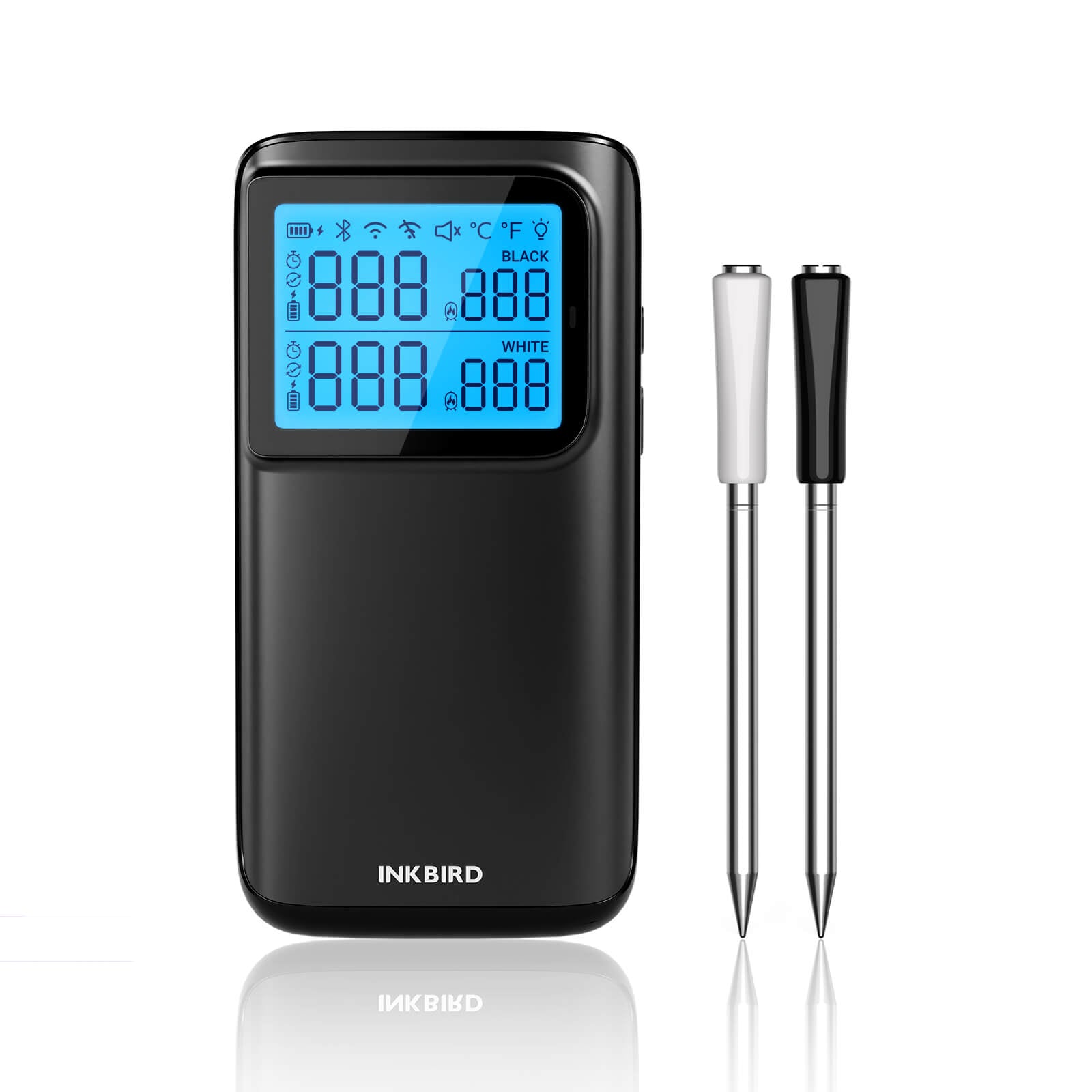
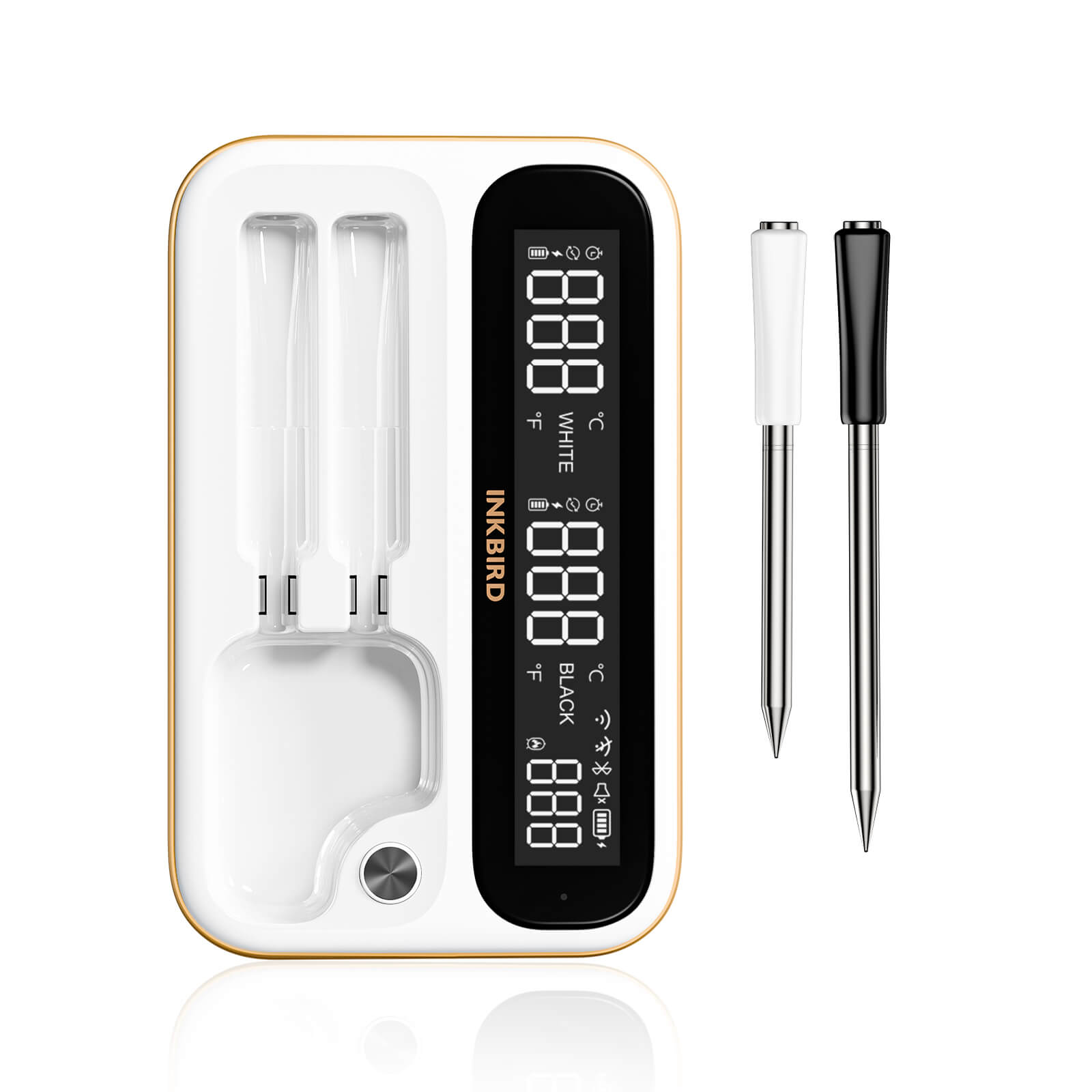
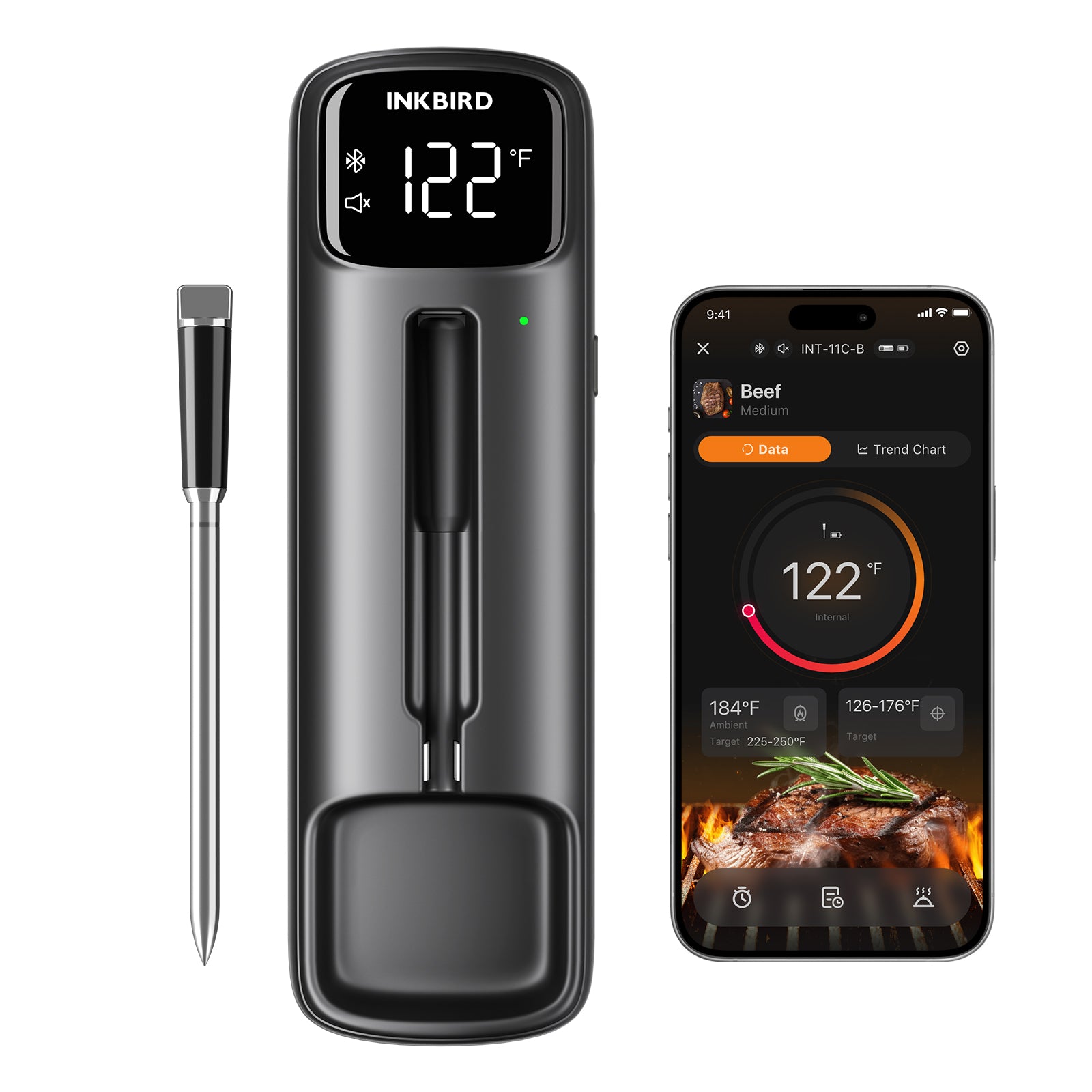
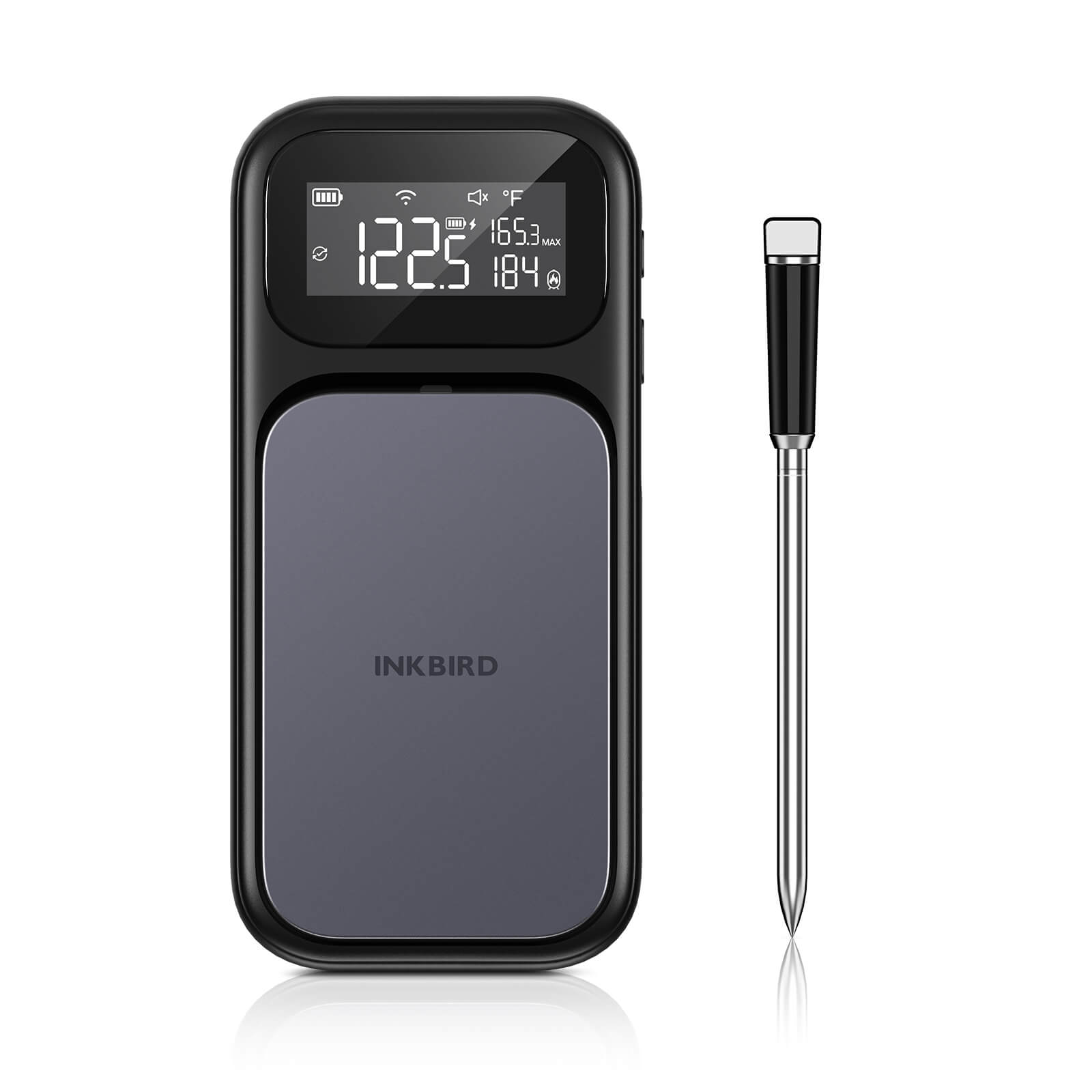
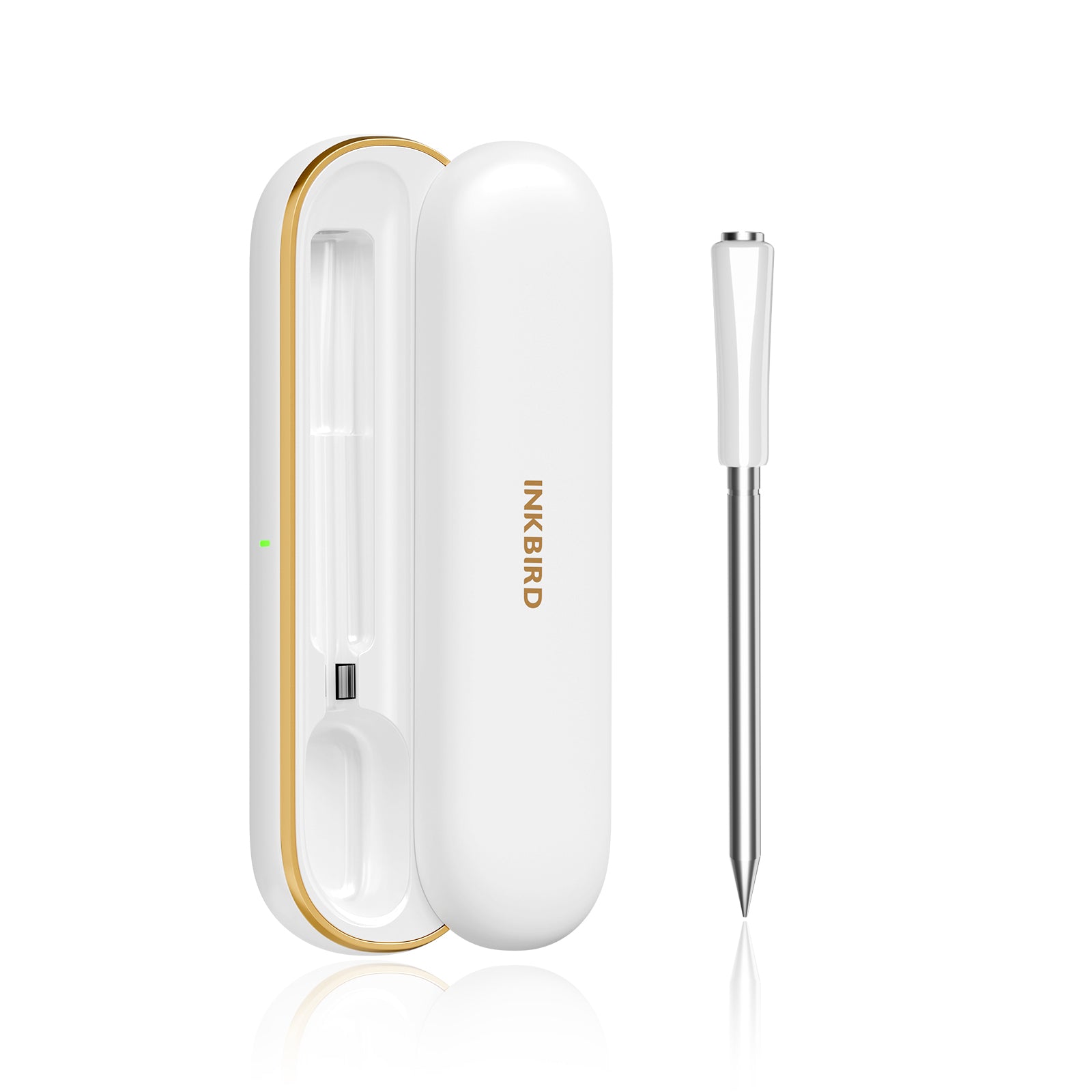
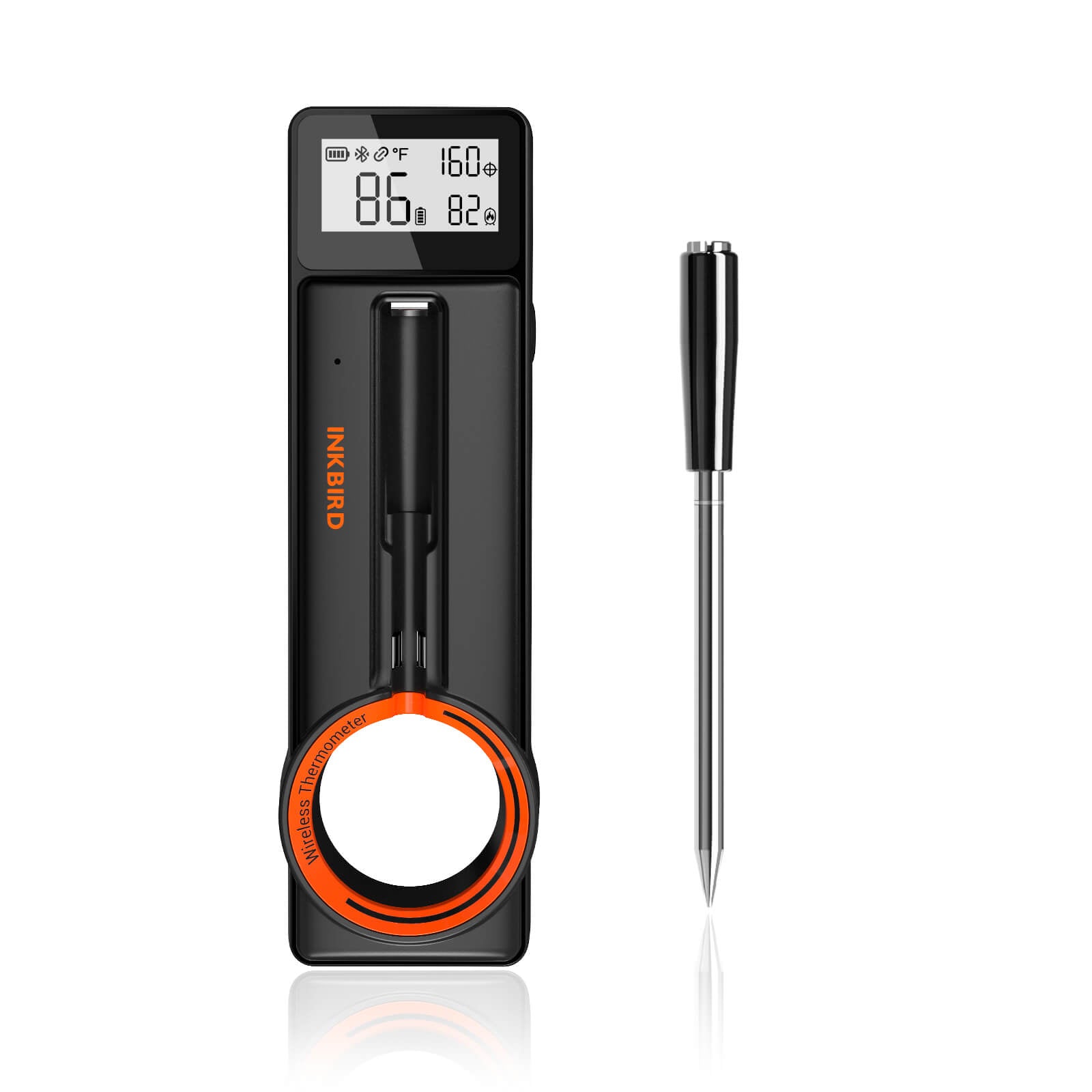
- Wireless probe thermometer
- 9-inch springform pan
- Electric hand mixer or stand mixer
- Large roasting pan or baking sheet
- Heavy-duty aluminum foil
Why This Easy Cheesecake Recipe Works?
Some cheesecake recipes seem designed to intimidate, as if difficulty equals quality. This one takes the opposite approach.
The oven temperature is lower than standard recipes, which means the edges set slowly while the center stays soft. There is no complicated water bath setup, no fussing with foil, no risk of a soggy crust. The ingredients are standard grocery store items, nothing special order. And unlike no-bake versions that rely on gelatin or condensed milk, this tastes like real cheesecake. Dense, rich, slightly tangy. The kind that earns you a reputation.

What’s the Best Cheese for This Recipe?
Philadelphia is the standard for a reason. Not the spreadable tub, the blocks. Store brand works fine as long as it is the block form. Low fat or Neufchâtel contain more water and less fat, which changes the texture completely. And you’ll need four blocks. Cheesecake is meant to be indulgent.
How to Make the Best Cheesecake at Home?
Step 1: Prepare the pan
Tear two long sheets of heavy-duty foil. Place the springform pan in the center and wrap the foil up the sides, pressing tightly. This is your waterproof layer, not for a water bath, but for insurance. Set the pan aside.
Step 2: Make the crust
Stir the graham cracker crumbs, sugar, and cinnamon together in a bowl. Pour in the melted butter and mix with a fork until every crumb is moistened. Dump the mixture into the prepared pan and press it firmly into the bottom and about one inch up the sides. Not too thick on the sides, just enough to hold.
A flat-bottomed measuring cup works better than your fingers for pressing. Bake at 325°F for 10 minutes. Set aside to cool.

Step 3: Make the filling
Reduce oven temperature to 300°F. In a large bowl, beat the cream cheese on medium speed until completely smooth. No lumps. Scrape the bowl well with a rubber spatula. Gradually add the sugar while mixing on low speed, and scrape again.
Then, add the sour cream and vanilla, mixing just until combined. Add the eggs one at a time, mixing on low after each just until the yolk disappears. Overmixing adds air, and air causes cracks. The batter should look thick and creamy, not fluffy or aerated.

Step 4: Insert the thermometer
Before pouring the batter, place the probe of your wireless thermometer into the center of the empty pan, positioning the tip about one inch above the bottom, so you can monitor the internal temperature without opening the door. Pour the filling around it.
Step 5: Bake the cheesecake
Pour the filling into the cooled crust. Smooth the top gently. Place the springform pan inside a large roasting pan. Set the roasting pan on the oven rack, then carefully pour hot water into the roasting pan until it reaches about one inch up the side of the springform.
Close the oven. and set the target temperature to 150°F. Do not open the oven for at least 45 minutes.

Step 6: Cool slowly
Remove the cheesecake when the center reaches 150°F or at about 50 minutes. The surface will look set at the edges, and the center will still have some give, but a three-inch circle in the center should wobble slightly when you gently shake the pan.
Turn the oven off. Prop the oven door open with a wooden spoon. Let the cheesecake sit in the warm oven for one full hour, which is what prevents cracking without a fussy water bath.
Remove from the oven, run a thin knife around the very edge to release any sticking, then let it cool completely on the counter. Refrigerate uncovered for at least four hours, preferably overnight.

How to Know When Cheesecake is Done?
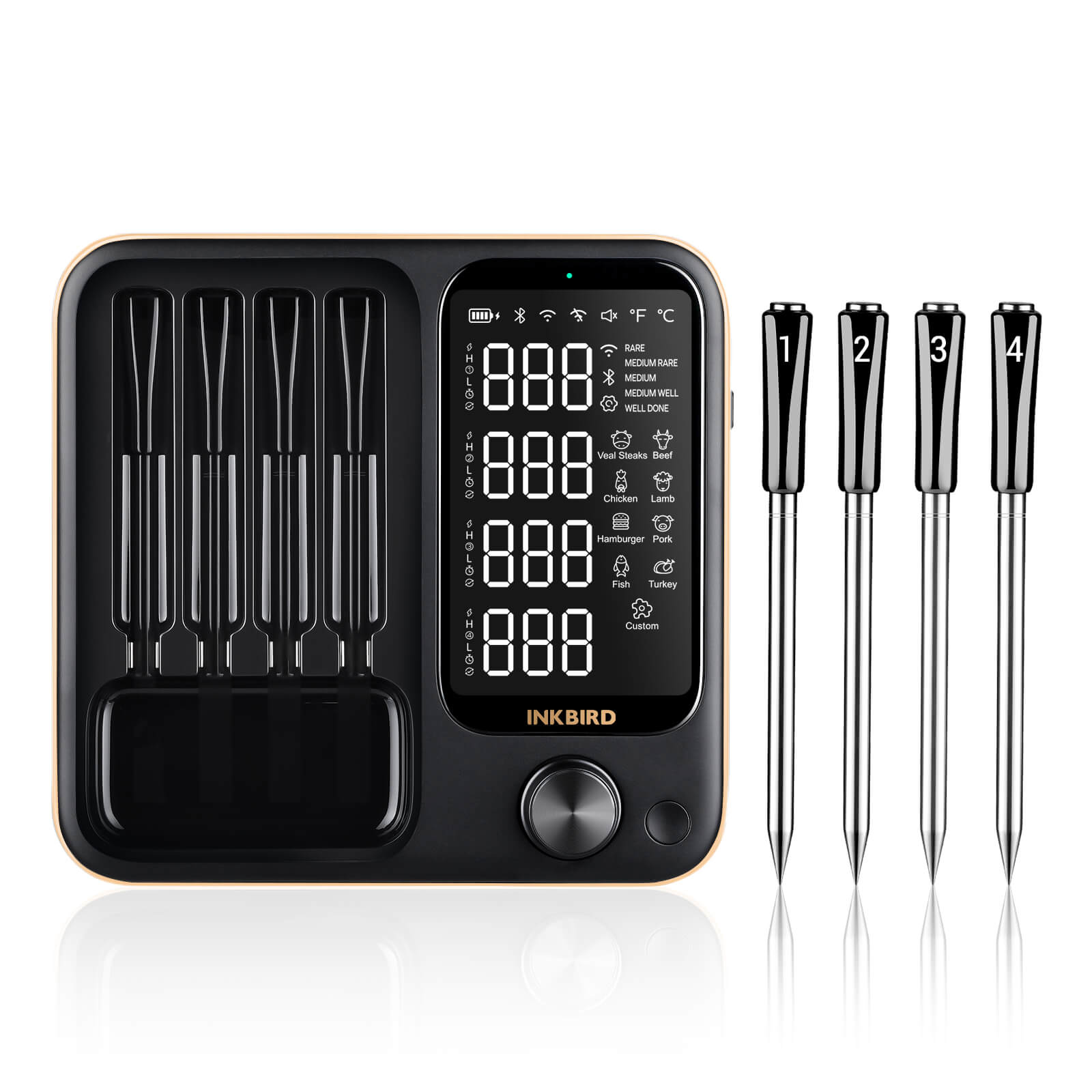
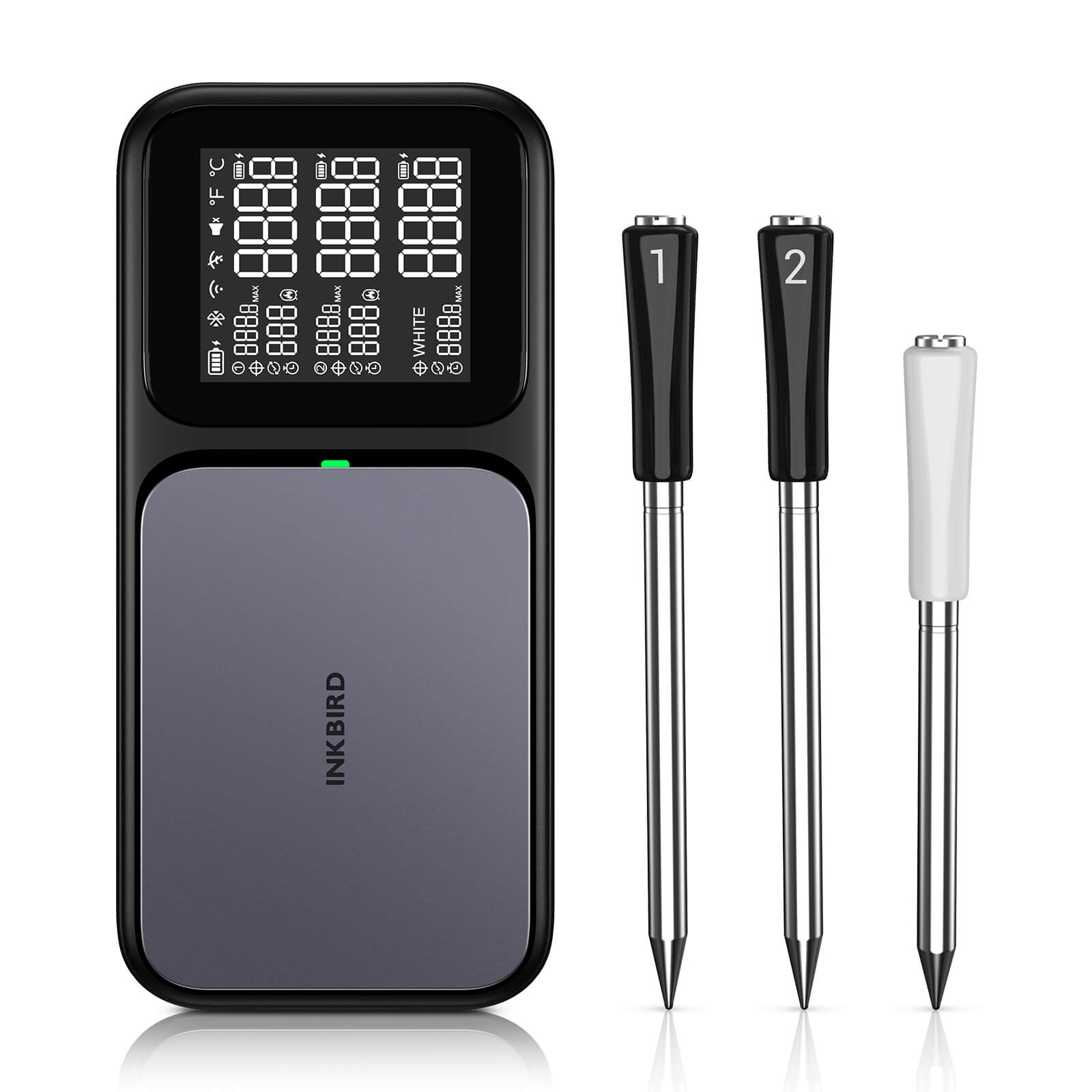
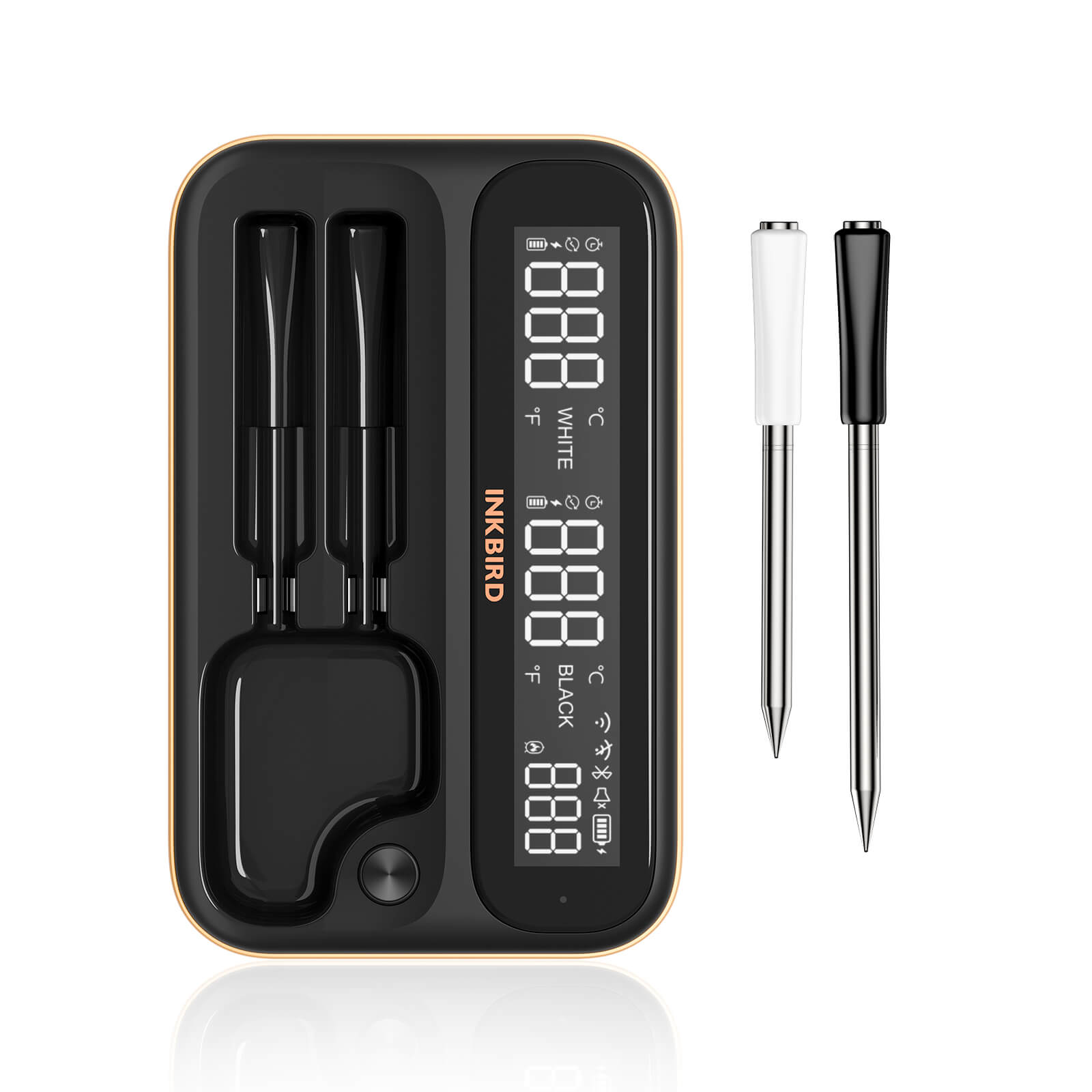
The toothpick test does not work for cheesecake. It will never come out clean, and if it does, you have overbaked it. On the other hand, the traditional visual cue is the jiggle test. The edges should look puffed and set, but the center should wobble like Jell-O that has started to set but not finished. But visual cues are subjective. If you want to remove all doubt, use a wireless probe thermometer.
So, here is the number: 150°F. At this cheesecake internal temperature, the custard is set but still tender. Pull it then, and it will finish firming up in the fridge. If you wait until 160°F, it will already be overbaked. This is the same technique pastry chefs use for custards and crème brûlée. It turns doneness from a guess into a fact.

Do You Need a Water Bath?
Traditional recipes say yes. I say it depends on your tolerance for stress. A water bath creates steam and keeps the oven humid, which helps the cheesecake bake evenly and slowly. But water baths also leak, ruin crusts, and require wrestling a heavy pan of boiling water into the oven.
This recipe uses a compromise. A shallow water bath in a roasting pan, not wrapped in multiple layers of foil, just enough moisture to help without the hassle. If you truly hate water baths, place a small pan of hot water on the rack below the cheesecake. It helps.
How to Prevent Cheesecake from Cracking?
Cracks happen for three reasons, and none of them are your fault as a baker. They happen because:
- Overmixing whips too much air into the batter. That air expands in the oven, then contracts and collapses, pulling the surface apart. Mix on low. Stop when combined.
- Overbaking dries out the custard. Dry custard cracks. A thermometer removes this variable entirely. Pull the cheesecake at 150°F.
- Cooling too fast shocks the structure. The hot oven to cold counter transition is too sudden. Let it rest in the warm oven, then on the counter, then in the fridge. Gradual is the goal.
If it still cracks, cover it with fruit. Nobody ever complained about too much strawberry sauce.

Expert Tips for Cheesecake Success
- Bring everything to room temperature. Cold cream cheese is impossible to beat smooth without overmixing. Leave it on the counter for at least two hours. Cut it into cubes to speed it up.
- Use a springform pan. A regular cake pan will trap you. The removable sides are essential for clean slices.
- Do not open the oven door. Every blast of cold air increases the chance of cracking. A wireless thermometer means you never have to.
- Run a knife around the edge immediately after baking. As the cheesecake cools, it shrinks. If the sides are stuck to the pan, it will pull inward and crack. Free it early.
- Chill overnight. Four hours works. Eight hours is better. Overnight is best. The texture improves significantly.
- Trust the kitchen thermometer. If you have one, use it. It turns baking cheesecake from nerve-wracking to completely predictable.
Homemade Cheesecake Topping Ideas
Plain cheesecake is perfect. But sometimes you want more.
- Classic sour cream topping: Whisk one cup sour cream, two tablespoons sugar, and one teaspoon vanilla. Spread over the cooled cheesecake and bake at 300°F for ten minutes. Cool and chill as usual.
- Fresh berries: Toss raspberries, blueberries, or sliced strawberries with a spoonful of sugar and let them sit until juicy. Spoon over each slice.
- Lemon curd: Store-bought is fine. Homemade is better. The tartness cuts the richness.
- Chocolate ganache: Heat 1/2 cup heavy cream, pour over 4 ounces chopped semi-sweet chocolate, stir until smooth. Drizzle.
- Salted caramel: Warm store-bought caramel, stir in flaky salt, pour over the top.

How to Store Cheesecake?
Cheesecake must be refrigerated. It contains eggs and dairy, and leaving it out is unsafe after two hours. Cover it loosely with foil or plastic wrap once it is fully chilled. Do not wrap it tightly while it is still cold from the fridge, condensation will form and make the surface sticky. It keeps for five days in the refrigerator.
To freeze, slice the cheesecake into individual portions. Wrap each slice tightly in plastic wrap, then foil. Freeze for up to three months. Thaw overnight in the refrigerator, unwrap, and serve.





Share: